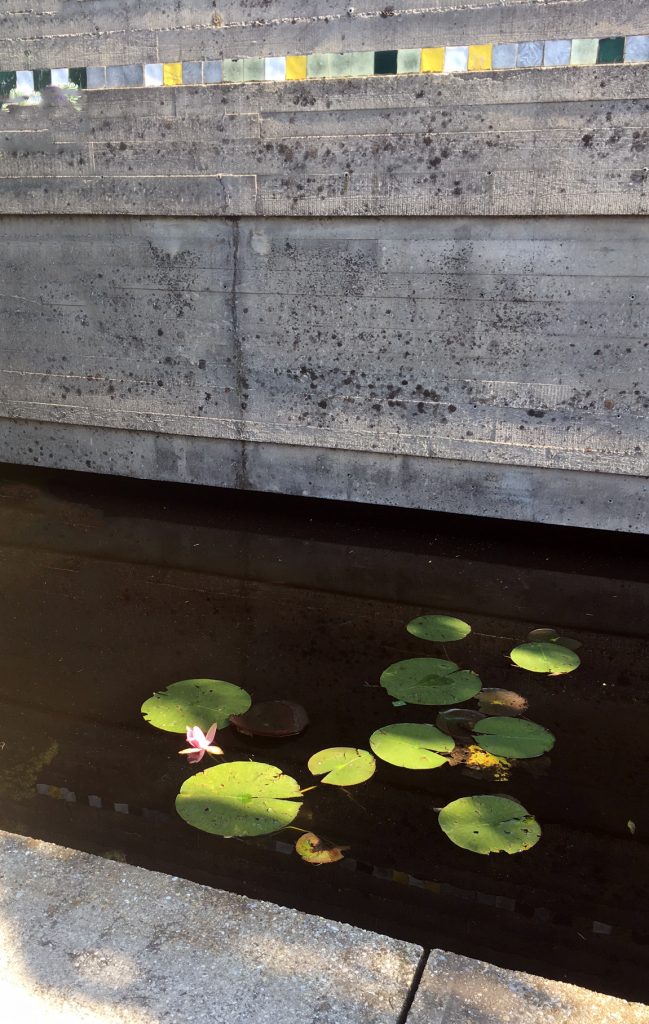
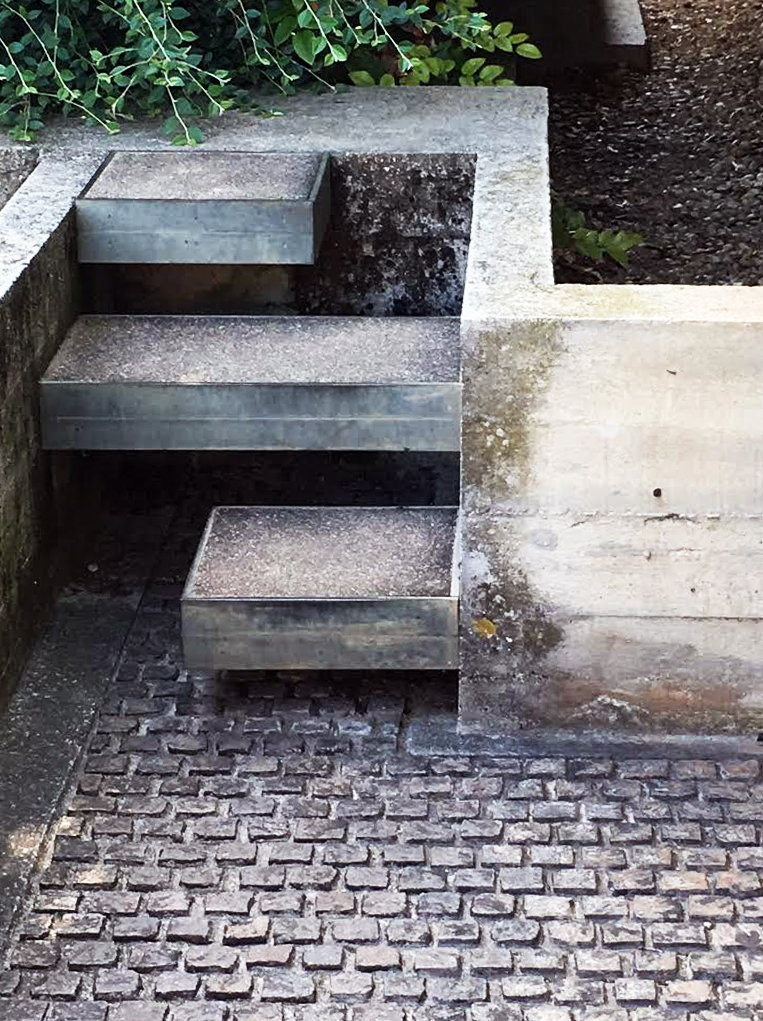
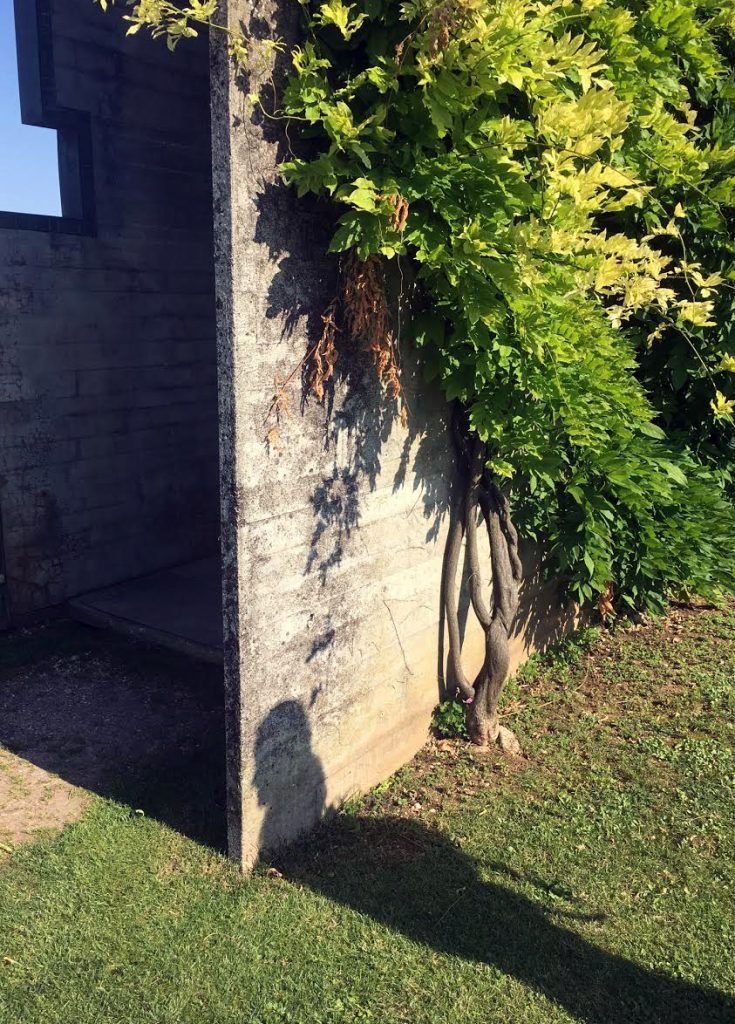

Visiting the Brion Cemetery and the cemetery in Milan, has made me think and reflect more on death. While first looking at Brion Cemetery, I noticed that there was no iconography or overwhelming amount of religious symbols, even within the chapel. I was curious to see the religious beliefs of Scarpa, and I fount this quote he said, “I would like to explain the Tomba Brion…I consider this work, if you permit me, to be rather good and which will get better over time. I have tried to put some poetic imagination into it, though not in order to create poetic architecture but to make a certain kind of architecture that could emanate a sense of formal poetry….The place for the dead is a garden….I wanted to show some ways in which you could approach death in a social and civic way; and further what meaning there was in death, in the ephemerality of life—other than these shoe-boxes.” This so far has been the closest person that I agree about life after life. Personally I have been raised Catholic, and Catholic funerals are very heavy, and create this uneasy feeling and confusion. I feel with Scarpa, his post modern aesthetic compliments the meaning of death. In our reading written by Kenneth Frampton, Frampton claims “Scarpa sought a transcultural, ecumenical expression that would transcend the Christian preoccupation with guilt and redemption. The idea of death as a joyous reunion, indissolubly linked to the erotic, is subtle confirmed in this instance by Scarpa’s cunning use of Chinese character Double happiness, a character traditionally employed on the occasion of a wedding.” One thing I was struggling with was the meaning of the water. At first I thought the water and the path walking on water, was similar to being close to death, and that we are always close to death, we can always fall. Frampton states that the water symbolizes both regeneration and death. After I read more into depth after reading and seeing in person, I thought the water lily garden was a way for the water to symbolize that water contributes and creates life and does not always only associate with death. Frampton summarizes Scarpa, “Throughout his work, the join is treated as a kind of tectonic condensation, as an intersection embodying the whole in the part, irrespective of whether the connection is question is an articulation or bearing or even an altogether larger linking component such as a stair or a bridge.” Scarpa pays attention to very small details that help the viewer of his work understand the message and meaning he is portraying in his work.