I call this the “Italian Take Away” because it is not the “Italian To Go” because each time I asked that in a restaurant I met a blank stare followed by a correction. To atone for my poor verbiage abroad the following is therefore the notions I Took Away from Milan (just like the pizza I wish I could have taken away).
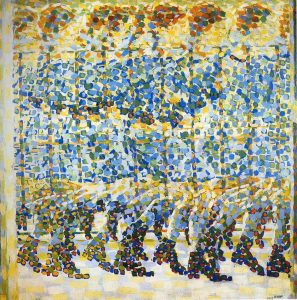
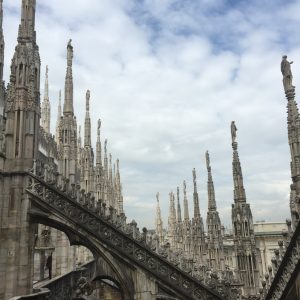
The morning after I arrived home from Italy, I sat on my couch at home and picked up a book. It was Fahrenheit 451, a popular book that most people have already read long ago. Stories of book burning, fast cars, and galleries of smashed windows were wrapped up in its pages. It struck me as a Futurist haven. This was the world they had envisioned, and it brought me back to talking about them on one of our first days atop the Duomo.
After reading the Futurist’s manifestos and ideals, I was simply struck by how naïve such educated men could be. Burn the books, throw away the classical paintings, tear down the architecture. Start new. Go fast. (Most people in Fahrenheit 451 end up committing suicide in such a world and I don’t blame them). My distaste for them has only grown over my month spent in Europe. They wanted to destroy everything that I now hold so dear and close to my heart. Italy has changed me for the best, because of the history and stories written in its art, architecture, and most importantly to me: its design.
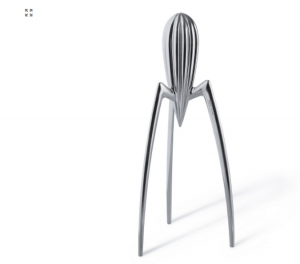
Italy is rich in Italian design history. When visiting Alessi we were greeted with story upon story of designers. The Bomb teapot, the alien lemon squeezer of Phillippe Starck, also combined with the new pop/affordable line. Absolutely everything has a story, as all designed objects do. The difference between American and Italy, is that Italy tries its best to archive and present this history.
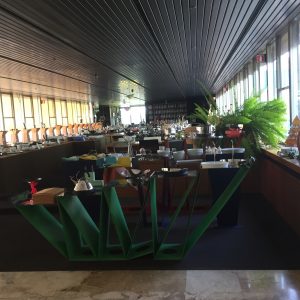
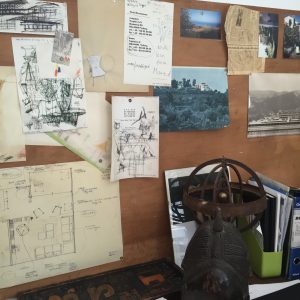
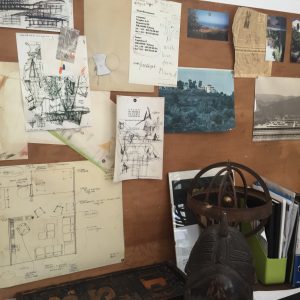
This was best demonstrated at the office of Vico Magistretti. His granddaughter is constantly archiving all of his works. It is a constant dedication to the works of the past, both his architectural and design ones. (Sidenote: The long work process also prompted me to be aware of my poor recording habits.) This was especially dicult as Vico shared most of his descriptions over the phone and often refused to draw.
Yet, Italian design showed more than just its history; it showed its future. FM studio was one of the most influential visits of the trip. They are a graphic design studio that focuses on identity, art direction, exhibit design, digital, editorial, and wayfinding. They showed what interesting and important work there still is to do. Transforming museums, way finding at extravagant hotels, and the future of food to name a few. Our speaker also gave good advice on the ‘follow your strengths’ tail, which I am always an advocate of. He was also very pleased with the all female turnout, claiming we are the future of design (an idea I love to indulge in).
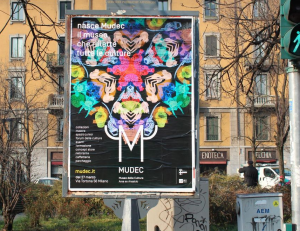
What struck me most about the design culture in Italy is that there was one. Museums (the Triennale) devoted just to the history and future of design. Expos that were proud of their design talent. When one says they are a designer they are asked what kind? This encourages to treat design just as importantly in America, not just a means to create a profit in the market place. Design is a way of thinking, and I am happy to bring home the all encompassing view Italy has now given me.

Dear Futurists, Thank you for failing. Love Bri