Carla Garcia Leija – Milan in Review

I’ve said this time and time again, but I mean it when I say that this trip has been and will likely be one of the key moments to shape my design practice. Being exposed to and interacting with new design, architecture, and art ideas (especially in the company of non-designers) has enriched what I know, and has given me new threads with which to reference in my work. Below are some of the key moments of the trip which were sort of turning points for me.
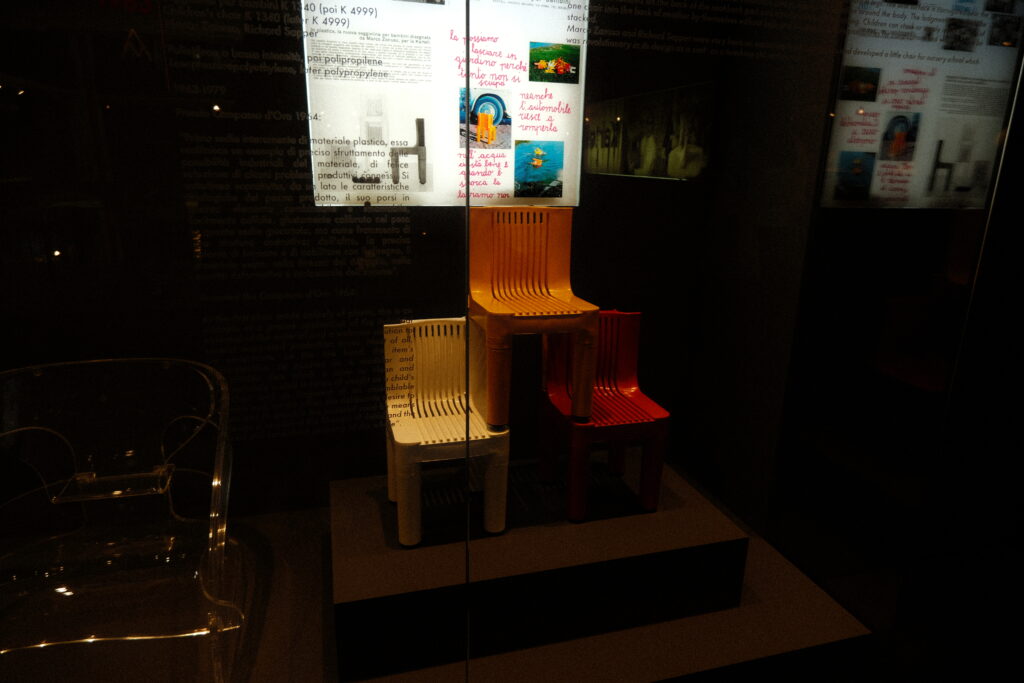
The value of materiality
Though I wasn’t aware of it at the moment, visiting the Kartell museum planted a seed in my brain which did not sprout until later on, when we had our guest lecture with Naomi Fitzpatrick: the materials you use to make a thing speak to your intent and its impact as much as form would. It’s also something that was further perpetuated when we visited the Versace showroom. The use of plastics in Italian design and production made things playful, unserious, inviting, kitsch at times (?), whereas, if you consider the materials in Versace, for example, they all play in to tell a story about luxury, etc. I think, in design, I often think about what the thing looks like, rather than what it will be made out of. It’s time I start considering materiality as part of the user experience.
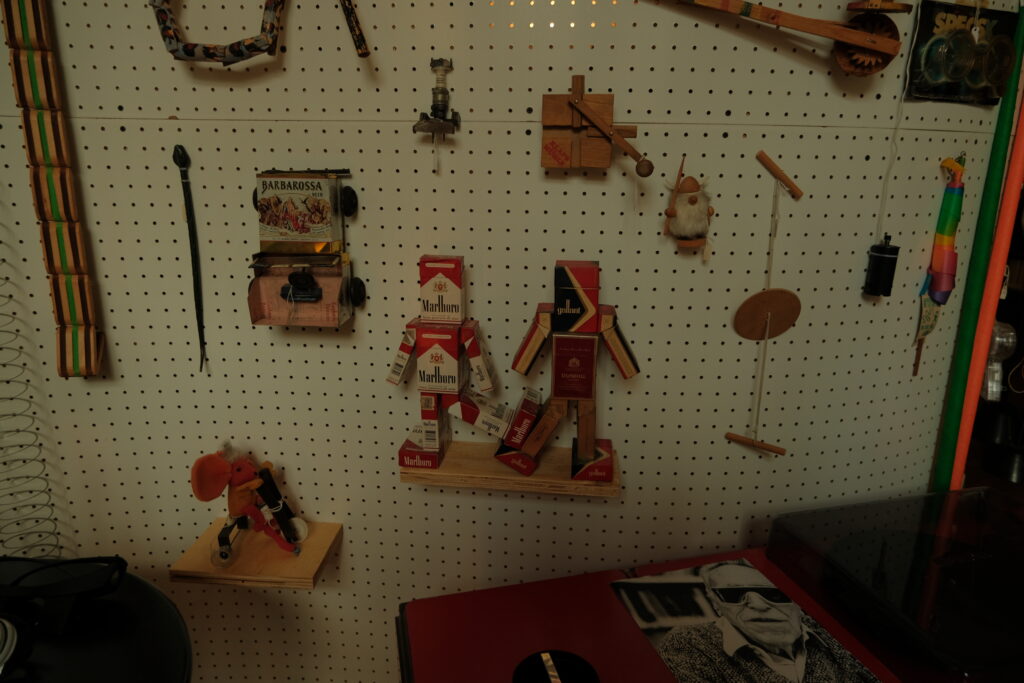
Nurturing one’s inner child
As we saw in Achille Castiglioni’s studio museum tour, in surrounding oneself with play, designing with and through play, and inviting playfulness and experimentation with one’s product, we open ourselves to innovating and adding a new layer of depth to a product – not only is it functional at this point, it is joyful (at times, this will manifest itself in silent, private micro-delights, or in more public oohs and ahhs as we did).
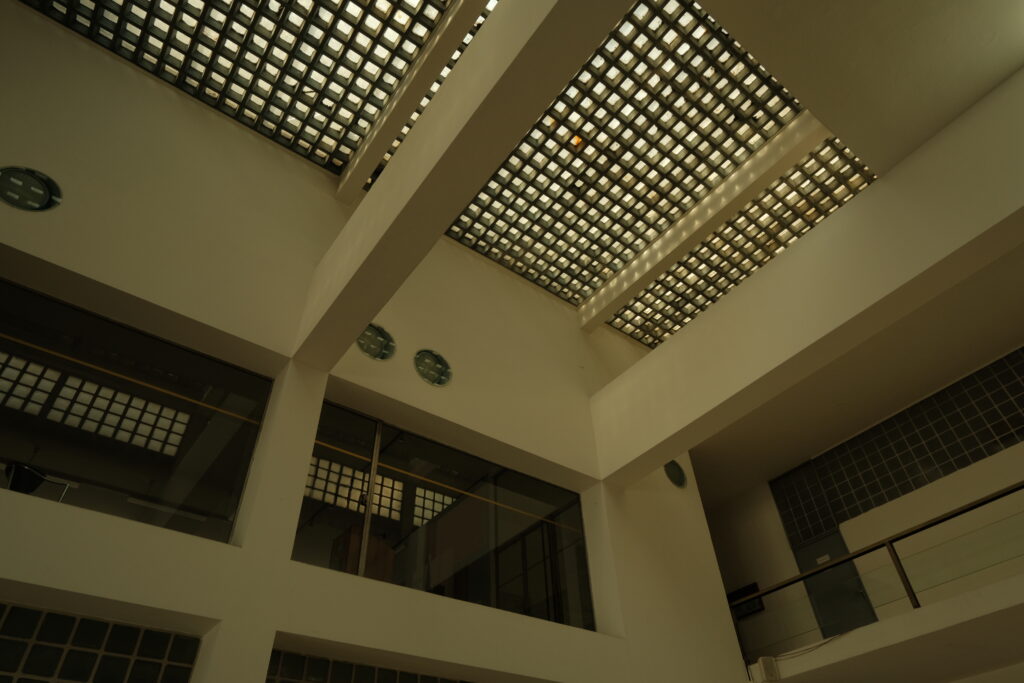
Historical user experience
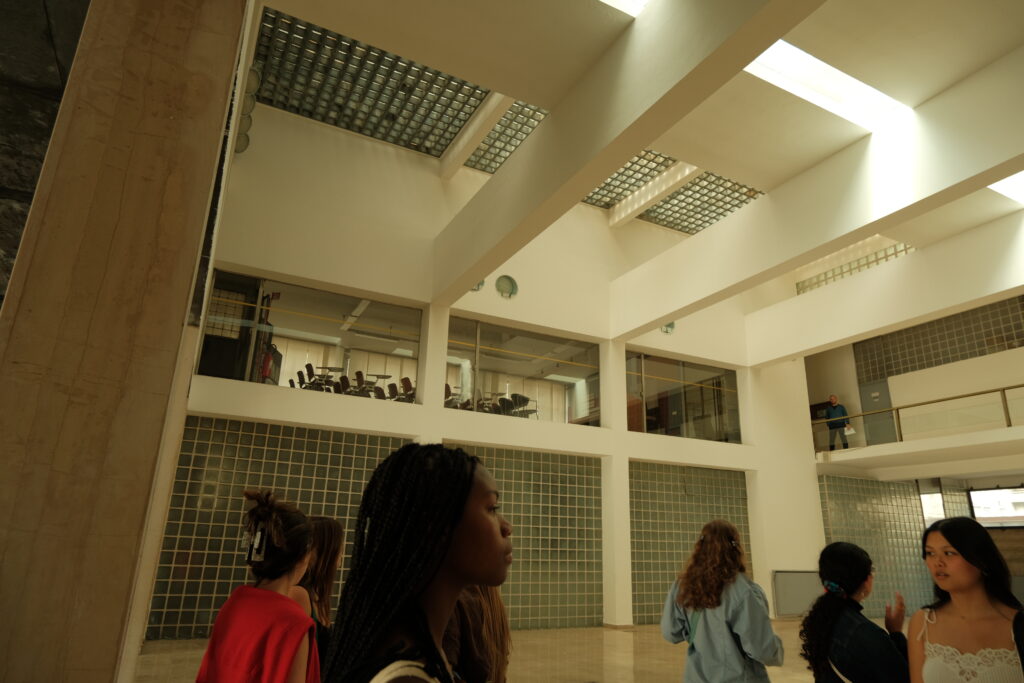
Italian design is incredibly entangled with its history. I specifically remember feeling this the strongest when visiting Casa del Fascio in Lake Como, designed by Giuseppe Terragni. The fact that no corners are the same, as well as the design which draws you towards the light – the center – and the sensation of being watched were all observations that made me realize that these decisions, of course they are intentional, but also held real historical significance in the early to mid 20th century. These architectural features afforded the people who interacted inside them real can’s and can’t’s, which could have been life or death.
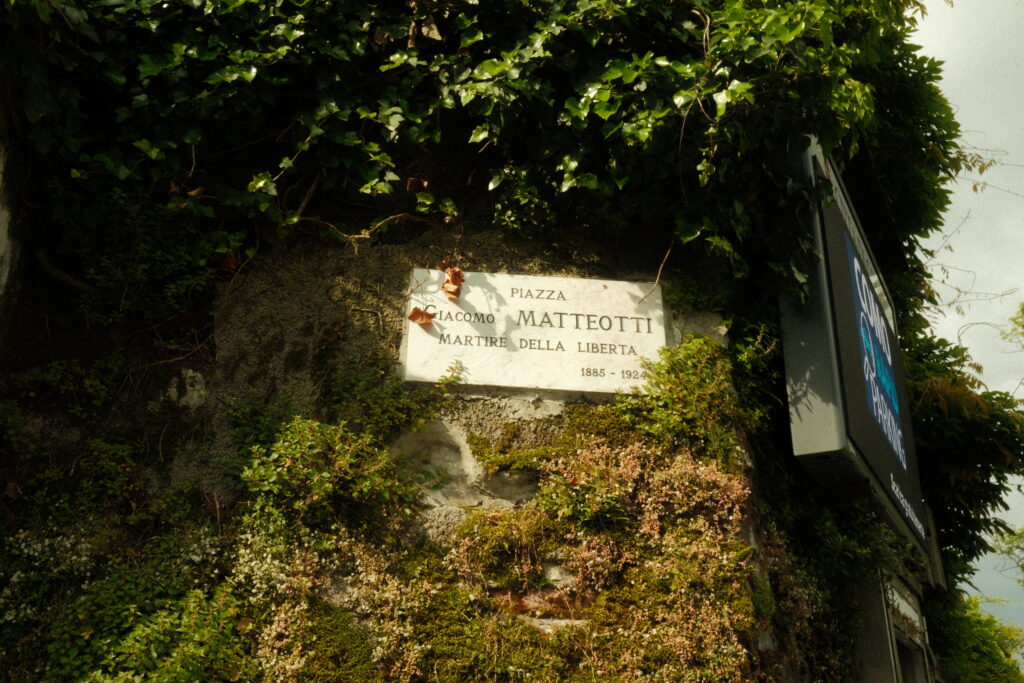
The idea of family legacy
We saw this mentioned in the Castiglioni Studio, Alessi, etc: there is a real and strong interest of continuing family careers or passions here. And, rather than erasing it, people honor those roots (except maybe the Futurists) and build upon those missions and goals.
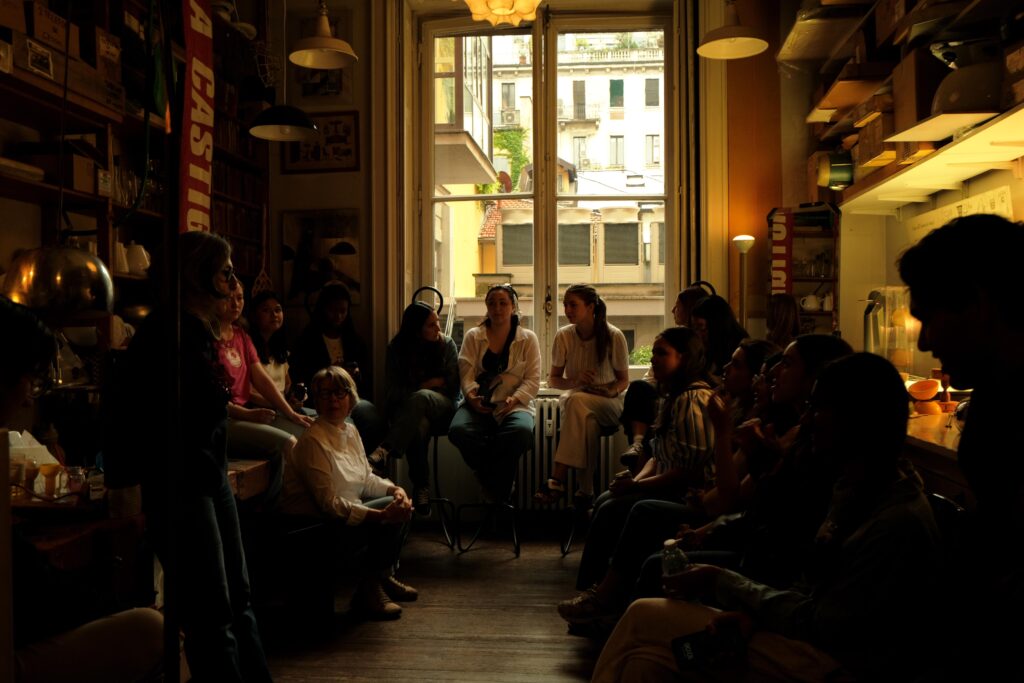
The importance of a multidisciplinary approach to design
At Alessi, it was mentioned that one of their designers grew up in the mountains. Because he was accustomed to the style of buildings there (bottom-heavy fort structural integrity purposes), his works featured this similar pattern/motif.

My favorite quote is one by Donna Haraway in her book Staying with the Trouble: “It matters what stories make worlds, what worlds make stories.” The above example, to me, is a perfect example of this.
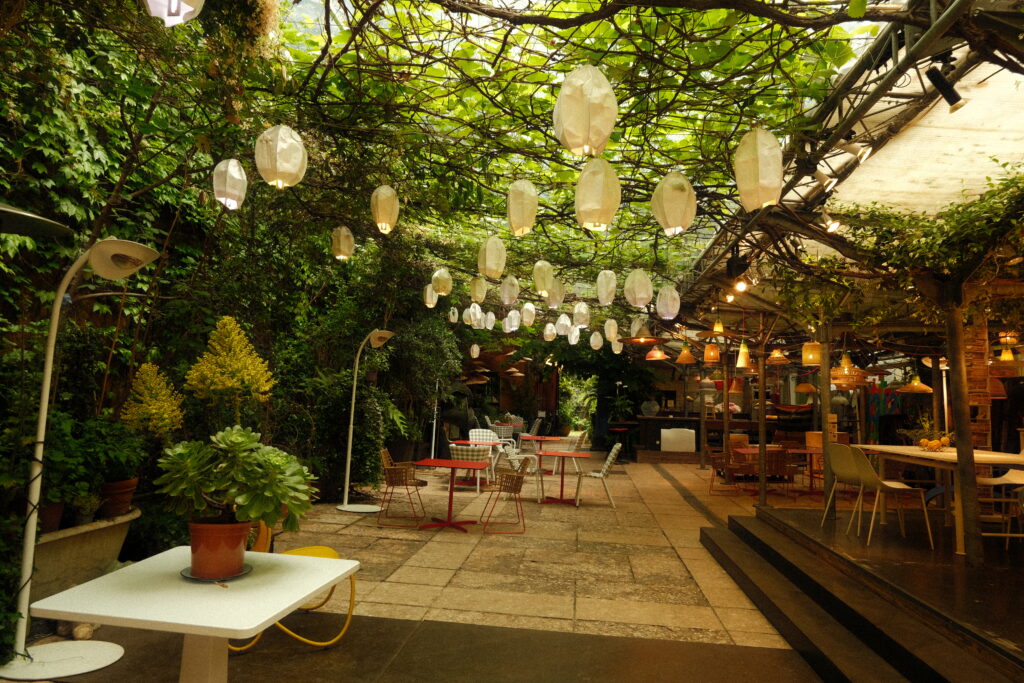
Exhibition design as a catalyst for change
I will likely process numbers on a chart, but it may not be compelling until it is put into a format that is relevant personally. To me (and to all), that is a lived experience. Thinking about not only what your work is, but in what spaces people will encounter it or learn about it is also a worthwhile conversation. People will probably forget verbatim words on a page, but they will never forget how something made them feel. This was on full display at the Biennale.

To think that I almost withdrew from this program. I was genuinely terrified. The night before my flight to Milan, I cried myself to sleep for many reasons: fear of being alone in a new country, fear of not adjusting well to the customs, fear of being in poor company. I was seriously worried, scared, and wanting to withdraw (too late, of course). I am glad to share that none of my fears happened. I love Milan and everything in it, and leave with so many friends. I could not have asked for a better team to embark on this journey with. It’s changed my life for the better.
Carla Garcia Leija – Week 4 | Ciao Milano!

Our last week in Milano was incredibly special, and felt like me finally beginning to get into the rhythm of things. Analyzing, making connections, finding patterns… the most fun a girl could have in my opinion.

Triennale
I was beyond excited for Triennale, especially after seeing Biennale! The exhibits and info were all put together so well. I especially loved the data visualizations. Data is beautiful – it can and should exist in forms other than dots and lines and bars! Don’t get me wrong, I loved it, but I think I liked Biennale more! I think it just had more info that was more closely tied to my work in microclimate, designing livable worlds, placemaking, and damage mitigation efforts.

MUDEC
Having just spoken to Christiano Bottino, our visit to MUDEC was put into a lot more context, and it was incredibly impressive to see how much thought went into everything. I loved looking at all the iconography and branding, it was like a scavenger hunt to find everything.

Armani Silos
I’m not super into fashion, but the Armani Silos were stunning. I think the entire exhibition embodies luxury with its use of sound and scent and sight, but through this, it also kind of crafted this experience that makes it feel like you’re in on a well kept secret. They have a rich legacy which is incredibly important and you are important for being here watching it. you are part of it all.

Alessi + Omegna
ALESSI MY BELOVED-EST!!!! It was so fun to hear about their design process, evaluation framework, and “failed” projects! I got so many good quotes from Gloria:

A good designer must be able to go to the imaginary world, even though it doesn’t exist yet, see the potential and possibilities, and bring them down with an idea.

The advantage of flopping is you know where the borderline is.

Who is a good designer? A good poet. They should have this delicate attitude, this lightness in envisioning the future. Bringing in art and poetry in his work without forgetting the functionality.

Omegna was so so beautiful. It made me cry. The world is beautiful, and because we are part of it, we are too <3

Campari
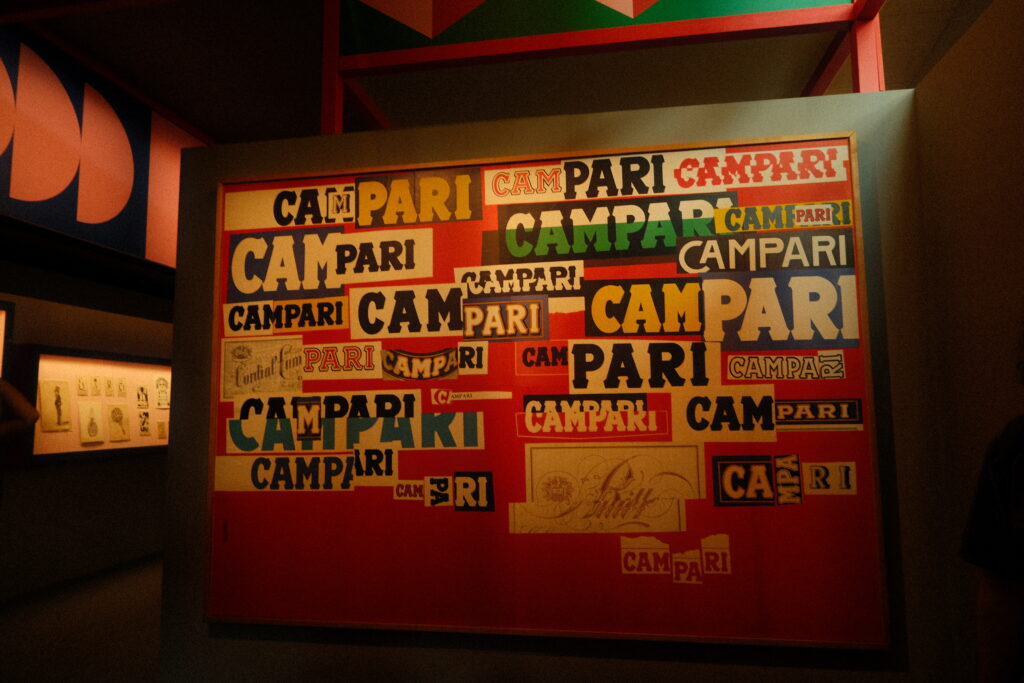
These folks do more than branding, they curated a lifestyle, a culture, a social phenomenon. They cared beyond what their audience drank, they cared about the media they consumed, the images they associated with, the identities they chose to align themselves with and share with the greater community. That was insanity in the best way possible.


Carla Garcia Leija – Week 3 | A Love Letter to Carlo Scarpa

Everyone say, “Thank you Carlo Scarpa, I love you Carlo Scarpa!!”

This week was busy! We walked a lot, saw a lot, learned a lot; my designer heart is full.

La Scala was gorgeous – the space was beautiful, as was the performance, but I also loved dressing up and going out with everyone. There’s something really amusing and entertaining about seeing people in a way you’re not accustomed to seeing them, like we unlocked new outfits for everyone’s characters.

If our trip to Treviso and Venezia had not happened, this post would’ve been a love letter to Achille Castiglioni. Achille and Giovanna have such a youthful spirit to them, and their love for the Castiglioni craft is so evident in everything we saw at the studio museum. To hear that Achille designed things specifically for his children and his wife is so compelling; he loved to the point of invention. The studio museum is a reminder to nurture the brain of your inner child and to let them be present in the work you create, something I’ve forgotten to do lately.

As a former theatre lighting nerd, the Artemide visit was so exciting to me. I love their attitude towards light – to them it is a tangible thing that flows and can be molded. They’ve tamed light. I have infinite respect for the amount of thought and work that happens before a lighting fixture even reaches shelves.

Tipoteca was beyond entertaining for me. I am not the best or the most active type designer, but by proxy to Carley Law, it was so fun to see it all. I loved making a poster with everyone – this is co-design! I think the moment where we all clapped for each other as we printed will be one that reminds me how special our cohort is, and how much I’ll miss everyone once this is over.

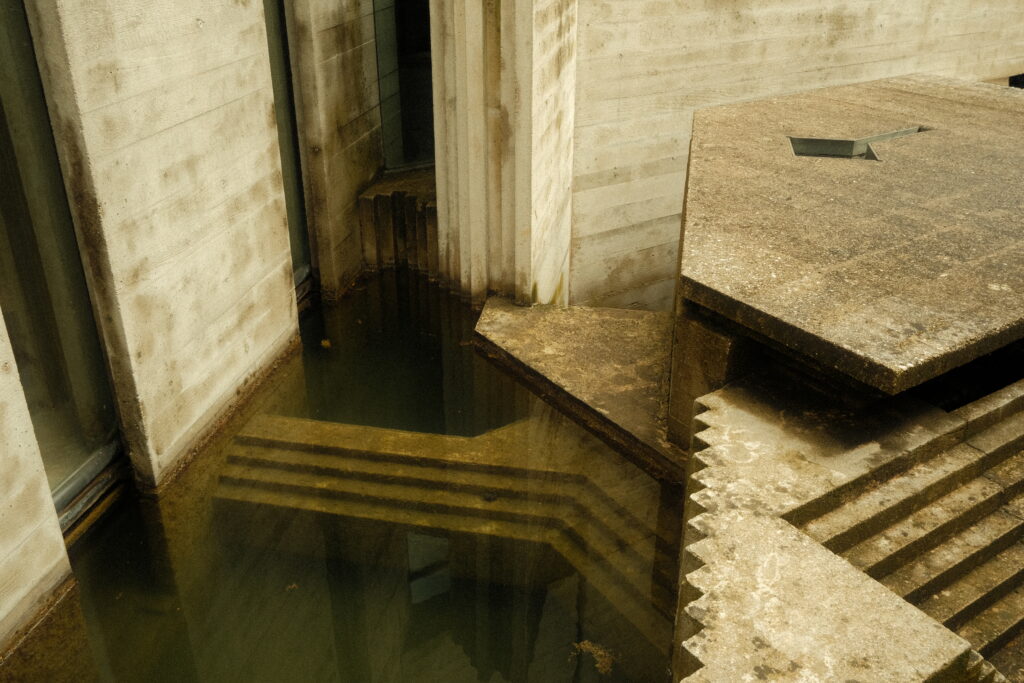
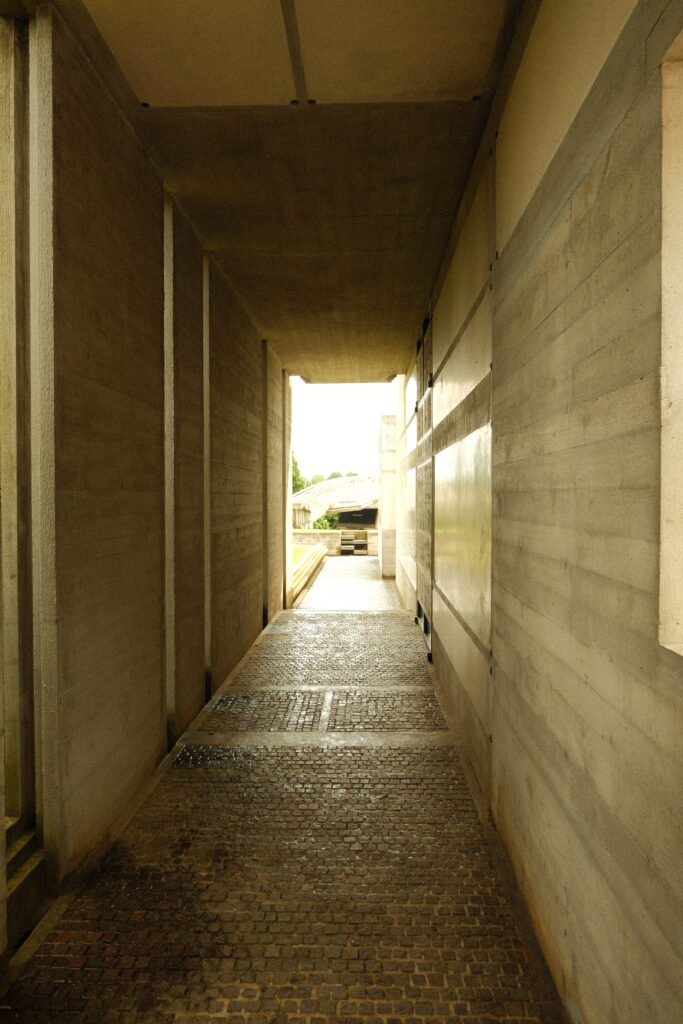
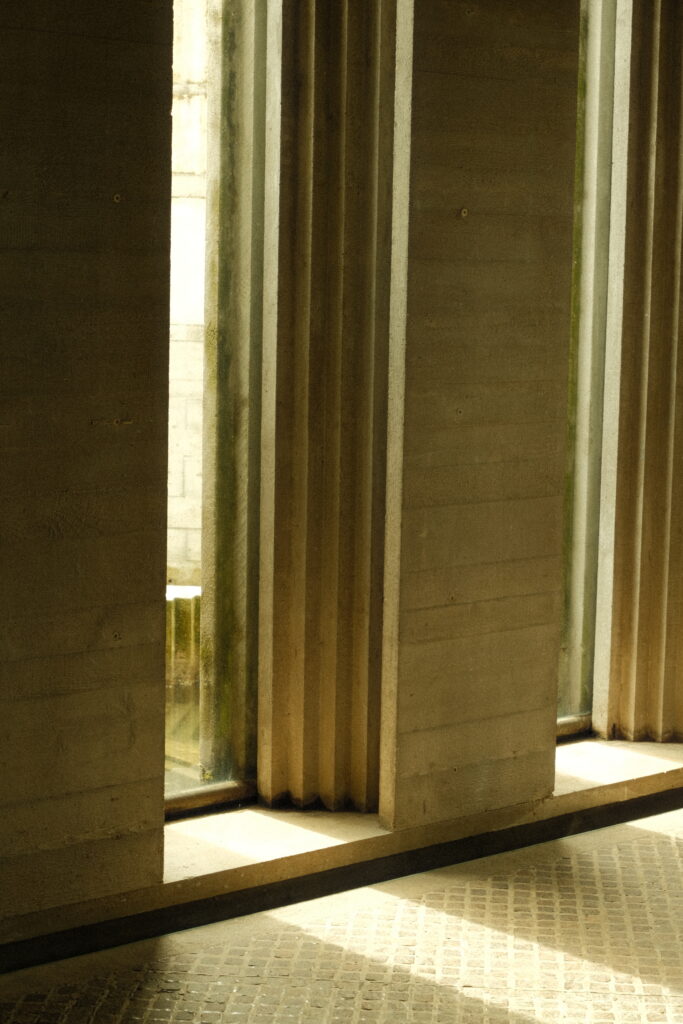
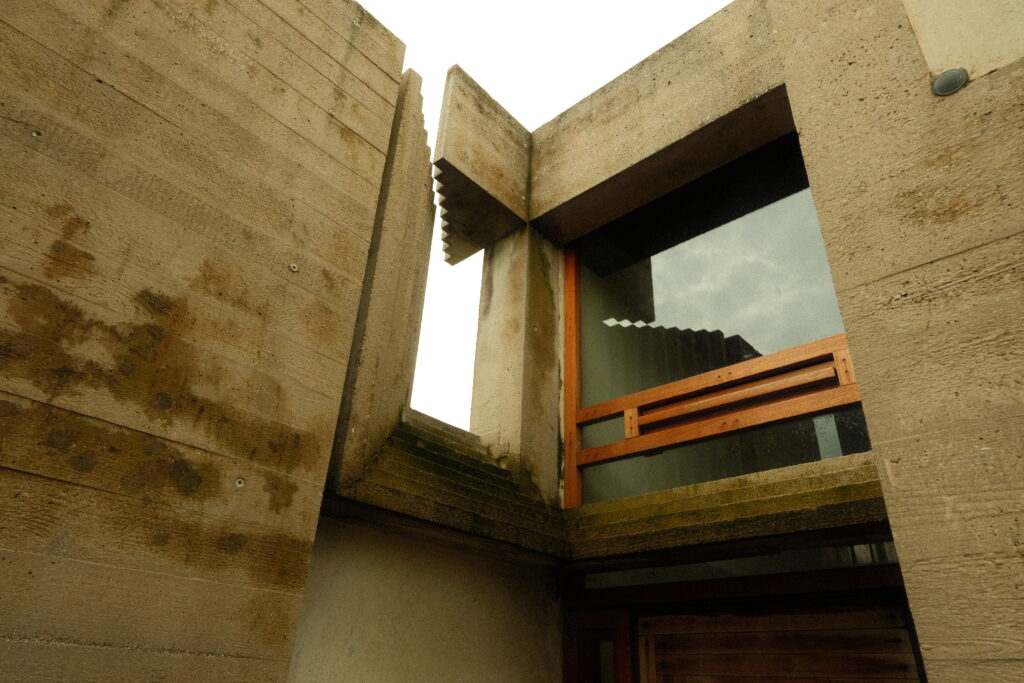
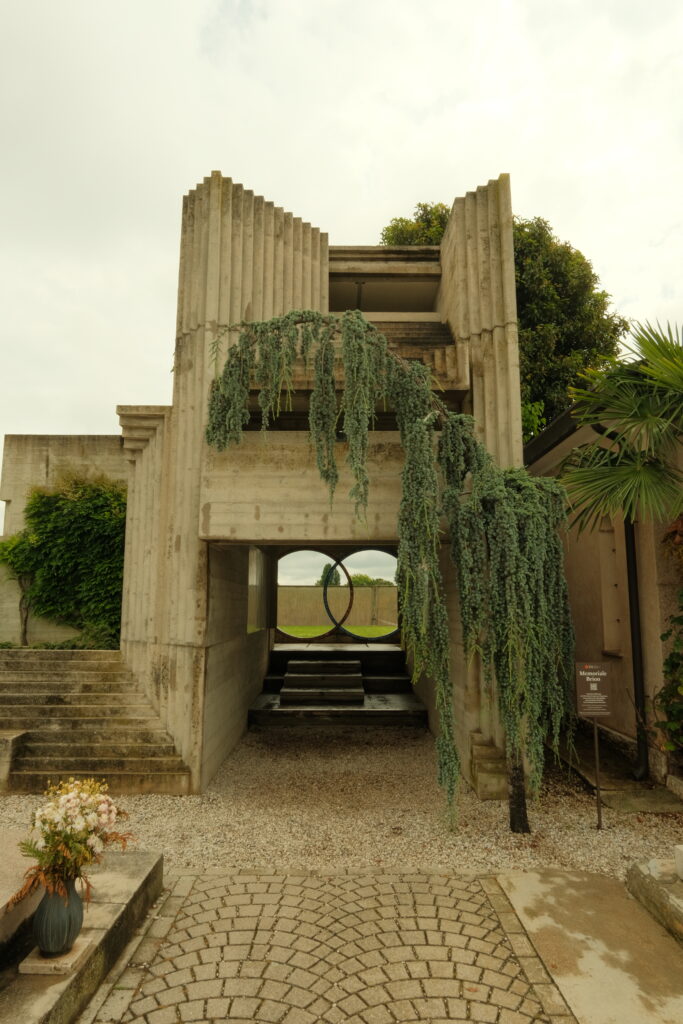
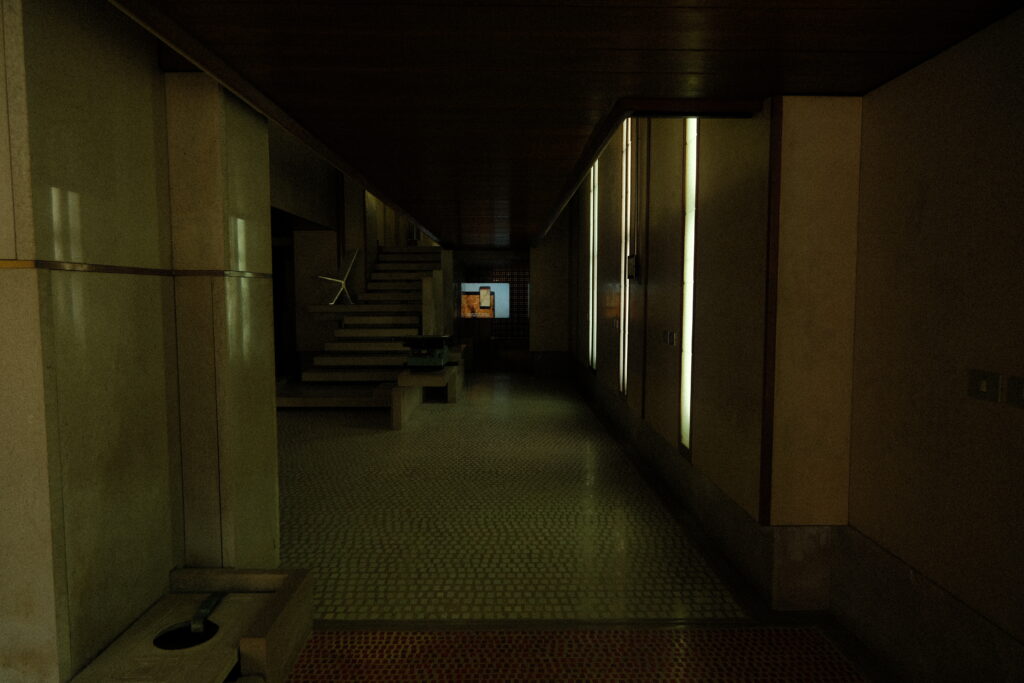
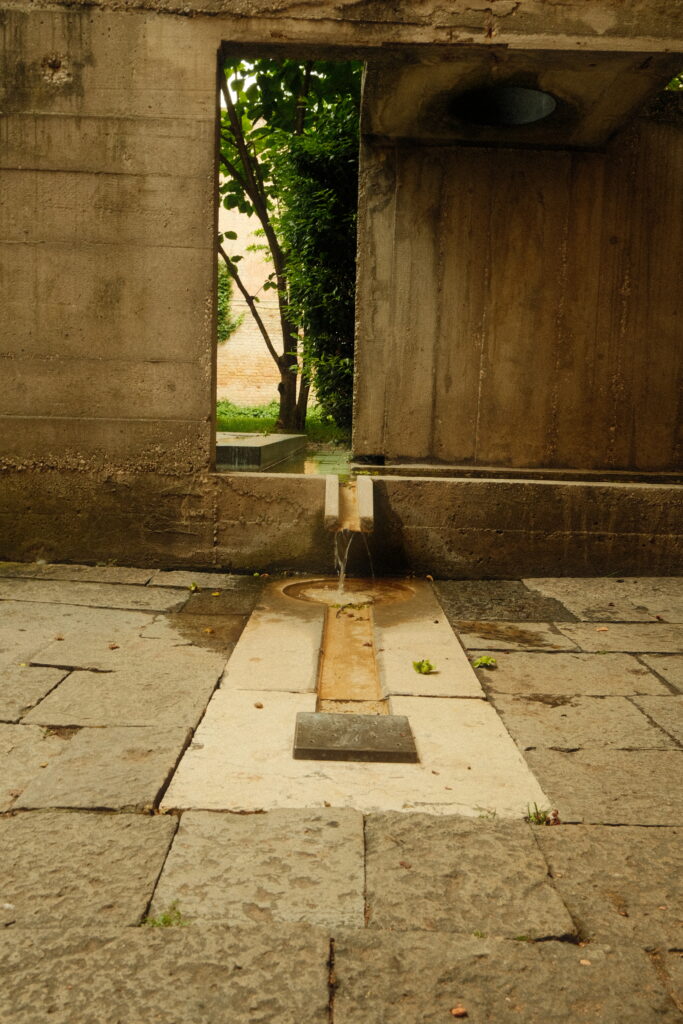
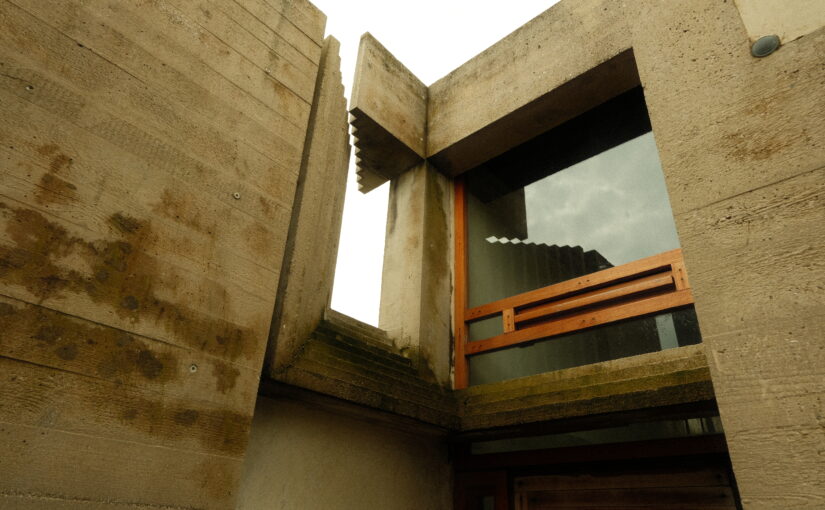
Of course, the thing that made this week so special was Carlo Scarpa’s work. Seeing him at Brion, Negozio Olivetti, and Biennale was such a treat. You can just tell when he’s the brain behind a building! His references to Japanese architecture, as well as his details in corners, edges, and movement in stillness make his creations so unique.

I recently learned that his peers referred to him as “Professor,” rather than “Architect:” because of his refusal to take the Italian pro forma professional exam post-WWII, he was not allowed to call himself an architect. I think the title suits him well – we’ve learned a lot from him.

In this blog post, I would also like to apologize to anyone who was in my vicinity while we were at Biennale. I’m sorry if I freaked out too much. It was like Disneyland to me. There was so much dialogue about placemaking (USA), biospheres (Belgium), the role of design in today’s climate (Hungary), and other fascinating topics. Cathryn Ploehn would’ve loved Biennale, and trust, I will be writing to her about this. The exhibitions here were immersive and inviting, perfect timing as I begin to think about capstone.

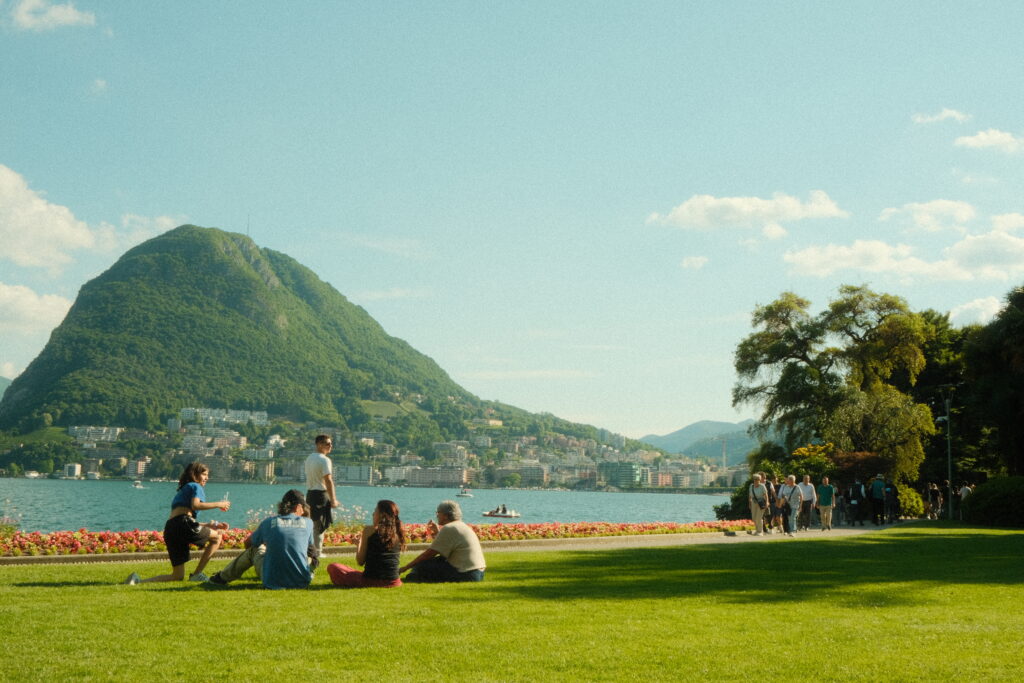
While not part of our scheduled programming, some friends and I went to Lugano, Switzerland this weekend! I had a wonderful time slowing down.

This week was exactly the kind of thing that makes me feel awe and respect for the designers that came before me, and excitement for what my peers and I will create moving forward. There’s nothing else I’d rather do than design.

Carla Garcia Leija – Week 2 | A new layer of Milan

I already knew Milan was a wonderful place, but it becomes so much better once you get past the jetlag!

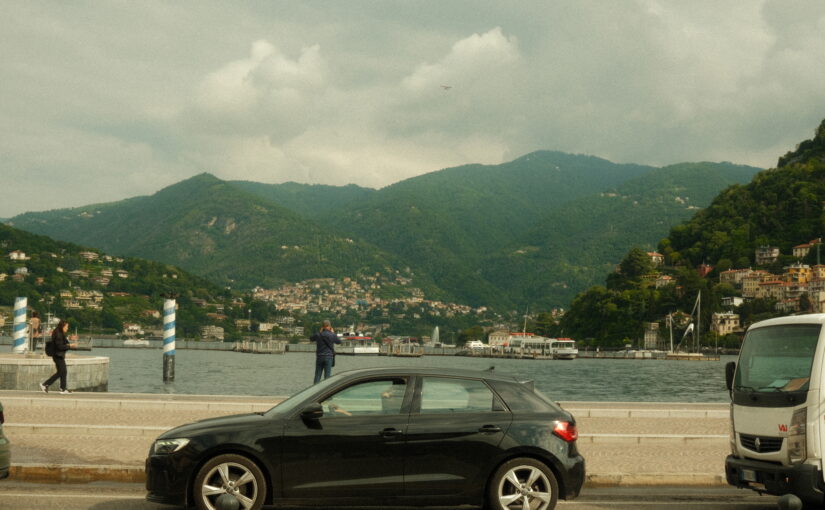
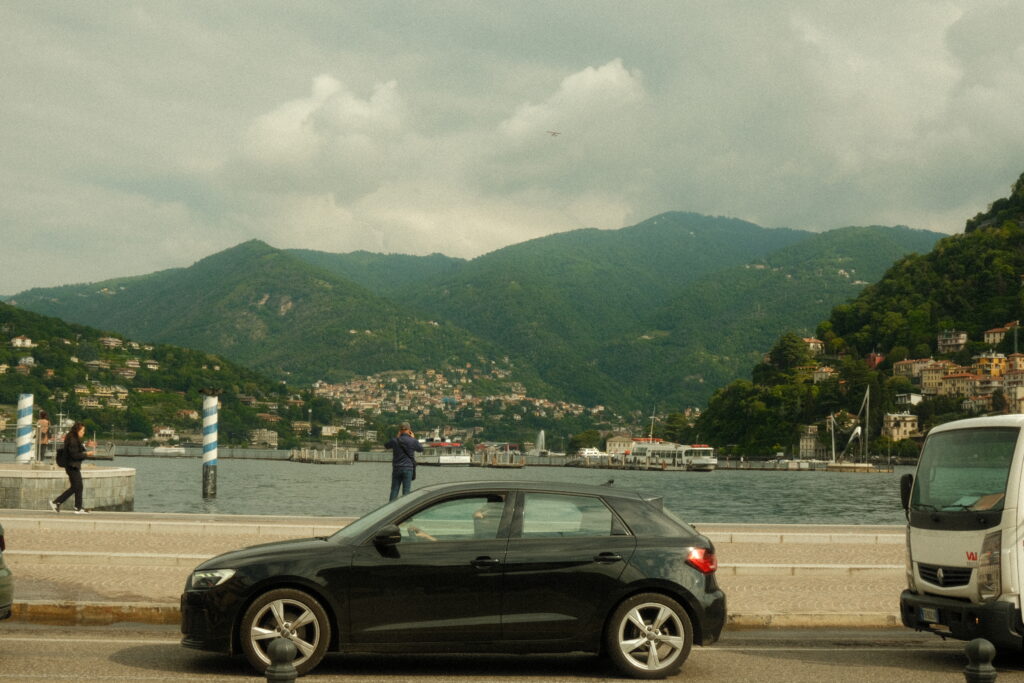
This past week, I genuinely had a chance to experience the city through all the tours, outings, and gelatos. Some of the highlights, for me, were Lake Como and our tour to Studio FM Milan. Meeting with Cristiano Bottino was perhaps my favorite thing so far. I LOVED the way he told stories about his work. I was able to dissect the framework – I will be using it to update my portfolio soon.

Recently, an employee at a shop asked me what my favorite part of Milan was. I said the public transit. She smiled wide; I think this was the correct answer. I’m so grateful by how easy it is to get around, either by walking, metro, or tram. It’s inconvenient to have a car. I wish Austin had this level of accessibility to public transport!

It’s a gift to be surrounded by design, and in the company of such good people. It’s helped me breathe new life into my craft and discipline. I can’t wait to see how it reshapes my work.


Carla Garcia Leija – Week 1 | A warm welcome to Milan

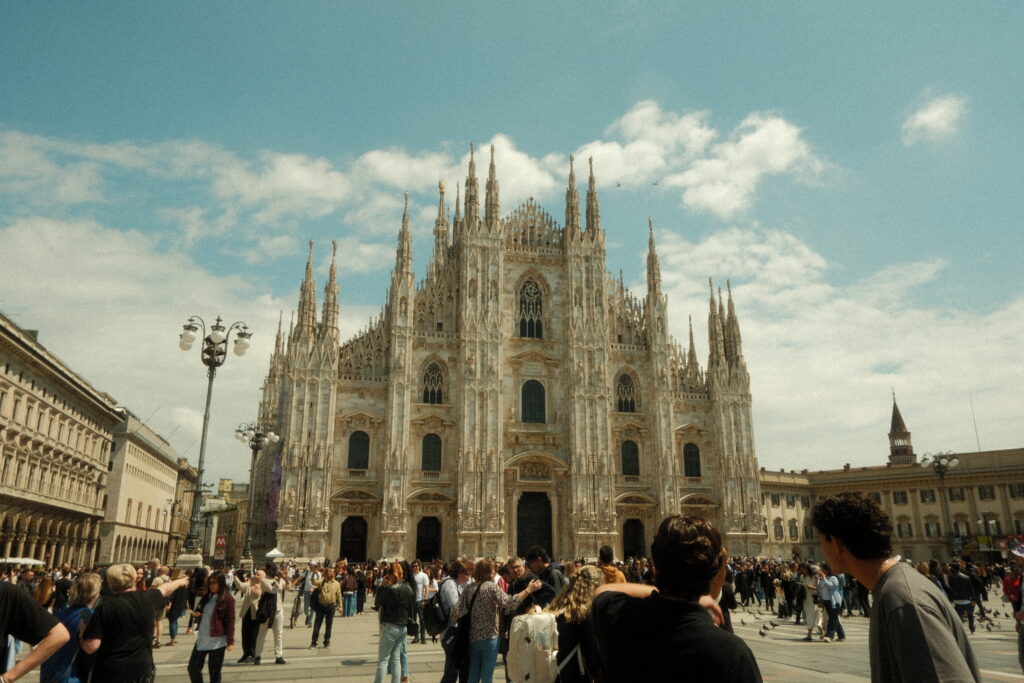
Even though we have only been in Milan for less than three full days, I am continuously wowed by everything I have seen. Going on a guided tour of the Duomo, Galleria, and surrounding areas was so interesting; I enjoyed learning about the nuances of Milan’s history, from the fact that marble can get sick to the context of the Biscione (snake eating a child), Milan’s symbol.

It’s challenging (in the best way) to wrap my head around the fact that such beautiful architecture, design, and life are outside my window, and that I can witness revolutionary art just a metro ride away. This trip has come at a point in my education and career: my practice is new and malleable enough for the takeaways of this trip to influence the rest of my work, but developed enough that I can approach this work from a comparative and analytical perspective.


View of the Duomo on Saturday, May 10, 2025. Photo by Carla Garcia Leija
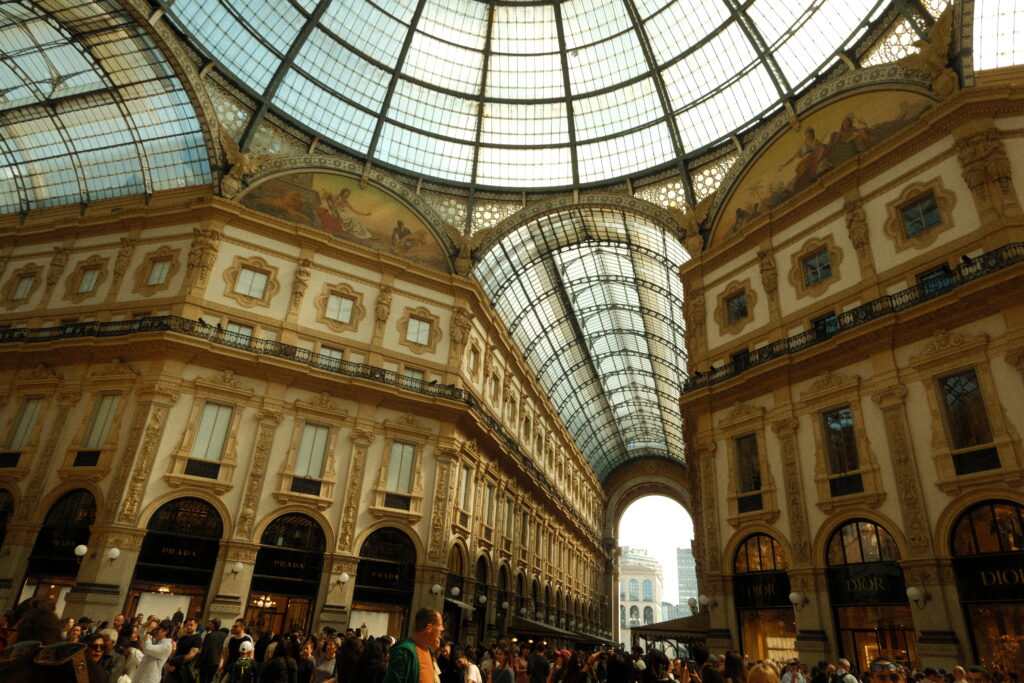
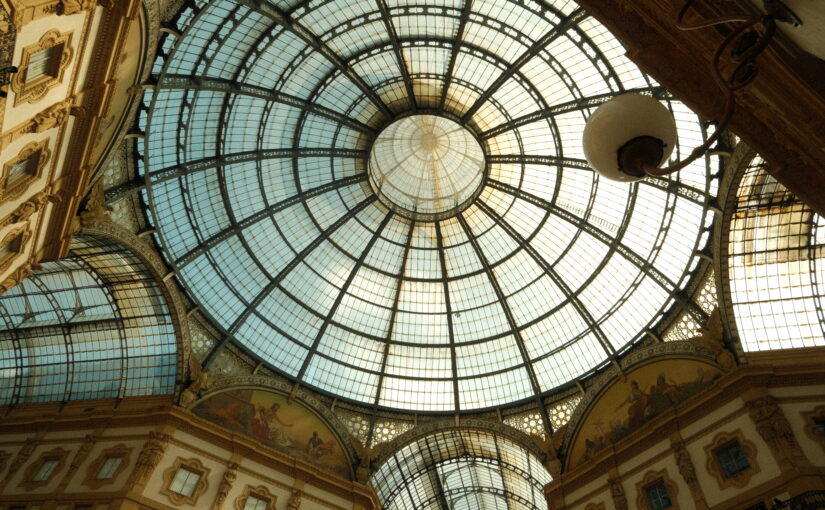
The inside of Galleria Vittorio Emanuele II on Saturday, May 10, 2025. Photo by Carla Garcia Leija.
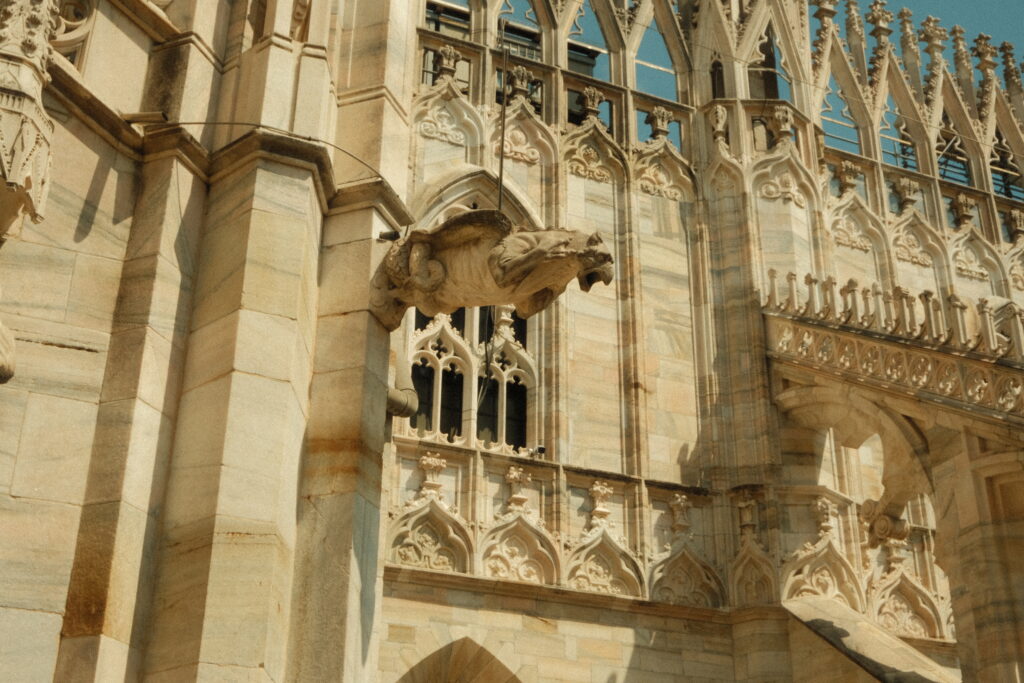
A grgoyle adorning the Duomo. Per Roberto, it serves as a rain gutter as well; when it rains, water shoots from its mouth. Photo by Carla Garcia Leija.
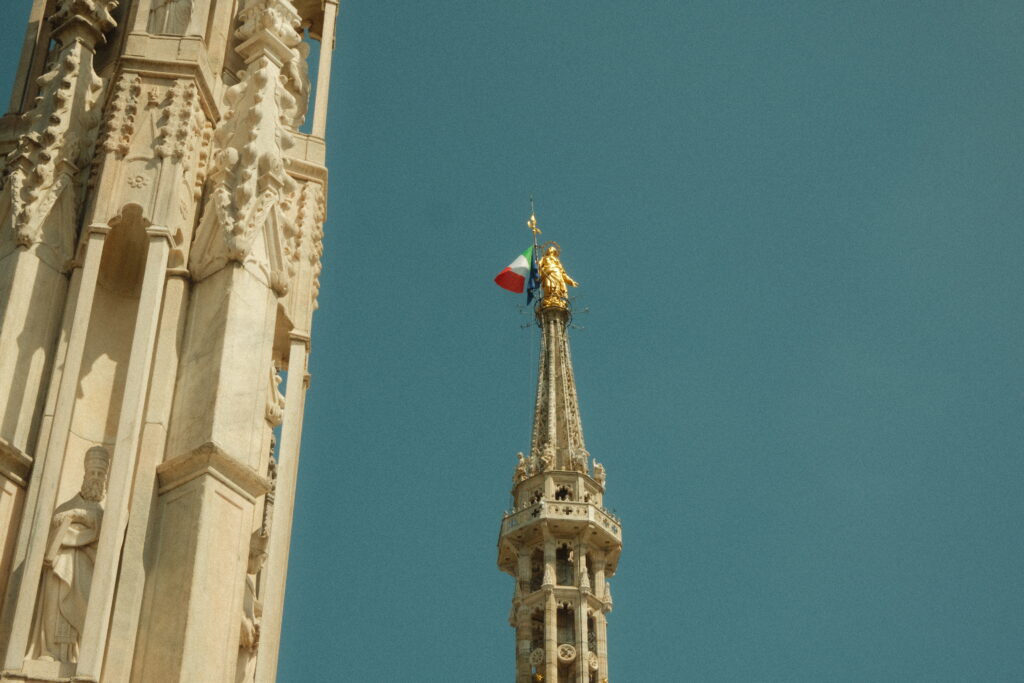
The Madonnina, a statue of the Virgin Mary that sits atop the Duomo. By tradition, no building can be taller than her, so, when skyscrapers or other high buildings are constructed, a miniature version of the Madonnina is placed atop them. Photo by Carla Garcia Leija
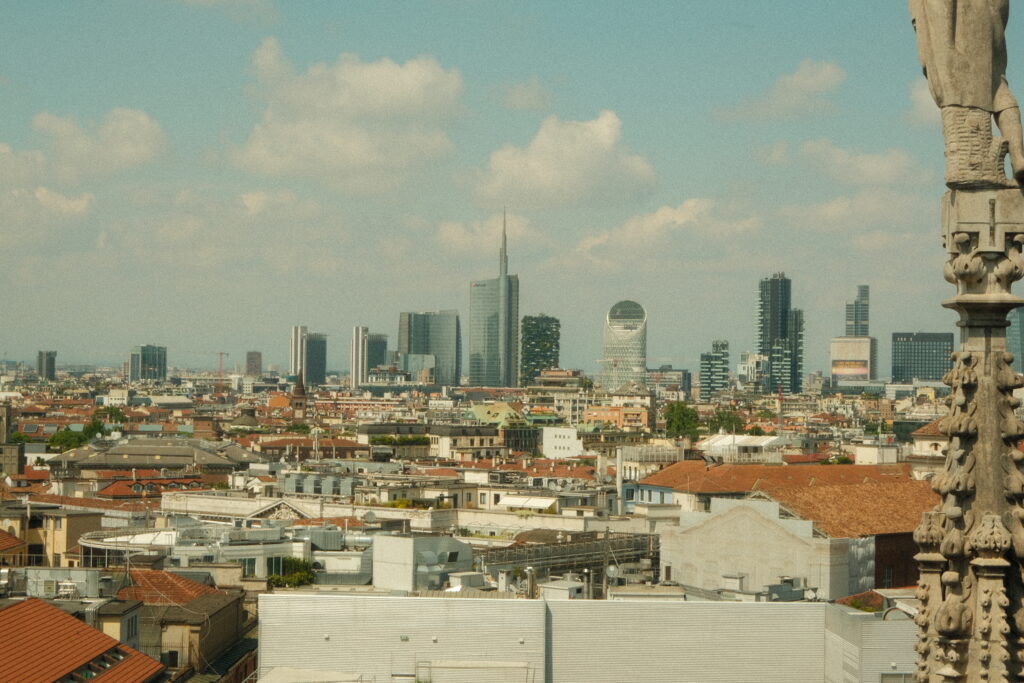
The view of Milan from the Duomo’s rooftop. Photo by Carla Garcia Leija.  
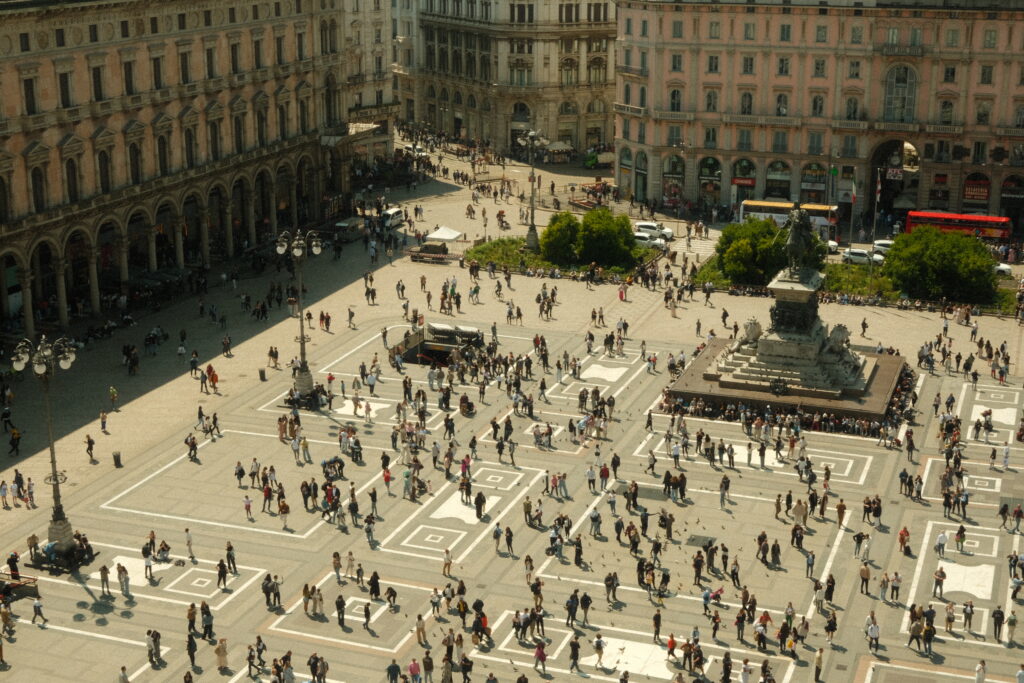
The view of the Piazza del Duomo from the Duomo’s rooftop. Photo by Carla Garcia Leija
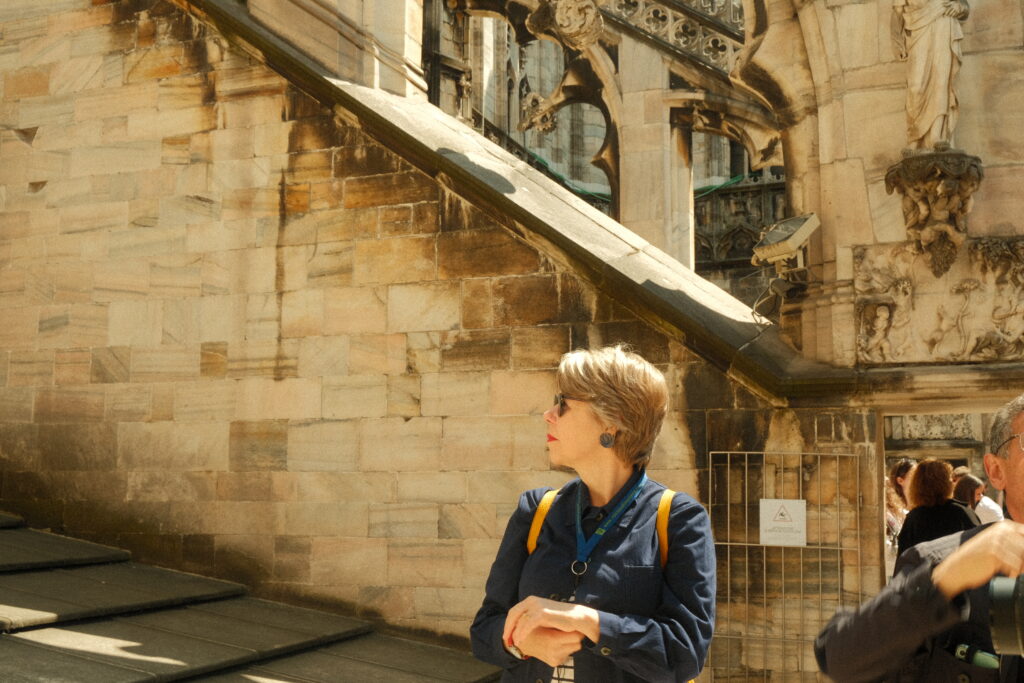
Prof. Kate Catterall observes the Duomo on a guided tour of its rooftop, led by Roberto Andreoni. Photo by Carla Garcia Leija.
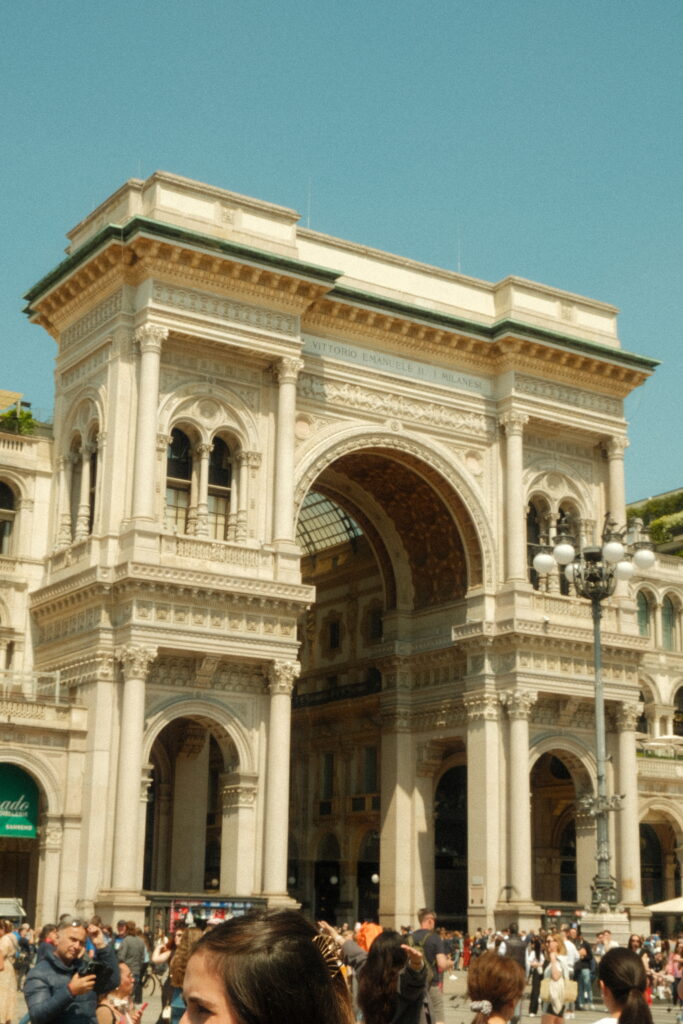
A view of the entrance to Galleria Vittorio Emanuele II on Saturday, May 10, 2025. Photo by Carla Garcia Leija