Category: 2016

  • Future of Healthcare

    As a transfer student and a senior, the prospect of a research assistantship was something I was still seeking out, but my opportunities were increasingly few. However, after taking a biochemistry course focused largely on understanding and researching scientific literature, I was determined to join a research team and begin my own independent study in molecular biosciences here at UT. The opportunity I found was the DIY Diagnostics stream in the Freshman Research Initiative. Even though I am not a freshman, I was encouraged by my former professor to contact Dr. Riedel and inquire about joining his team. After following the news about the Zika virus and the developments in the scientific community, both academic and industry, I was already aware of the work the DIY stream was doing with a viral detection device. I was anxious to meet with Dr. Riedel and find out more about what his stream was working on and where I could fit in to his current team.

    The project that appealed to me the most happened to not be the Zika research, but the FRIome project. This project is focused on finding correlations between general health and the oral microbiome. Following after the goals and continuing work of the Human Microbiome Project, started in 2008, the FRIome researchers have taken samples of the oral microbiome specifically, through saliva donations, and asked the same participants to answer a general health survey. As a part of this team, I have spent this summer sifting through the metagenomics sequencing results of these oral samples and the accompanying survey responses to glean what possible correlation of diversity there may be with respect to type of bacteria and a certain response. As we learn more about just how much influence our microbiota has on so many aspects of our health and everyday lives, I believe this kind of research is marking a new pathway into the future of healthcare. As a part of the DIY stream, one intriguing goal is to be able to isolate a particular bacteria for its significance, create a biomolecular detection test, and use an app to run and display the test and results on a cell phone. This will enable real-time access to health information, once we can make these correlations.

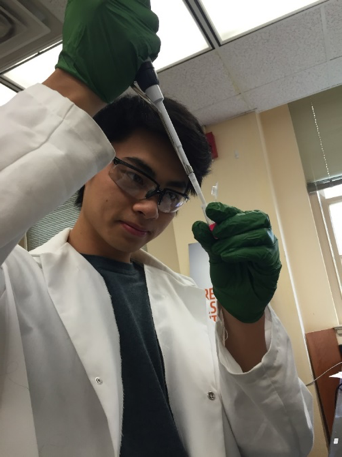
    Working in the lab to extract the DNA from the saliva samples, test them for concentration, and prepare them to be sequenced, I have been able to use the skills I learned both in my Biochemistry lab course and my previous work experience as a lab assistant. The real challenge for me this summer has been analyzing the data using statistical methods and programming, some of which I’ve found have been specifically written to accompany metagenomics studies. As I continue into my last year here at UT, I look forward to pursuing this project to delineate a significant link between the oral microbiota and either a general health aspect or even a self-identifying personality trait. I hope that the work I have started this summer will continue to drive my development both as a student and as a future contributor to the scientific community in my career in Biochemistry.

    meredithpic

  • You’ll Never Be Bored!

    Computer science is not my forte- in fact, I would say it is my least favorite subject to study in any academic setting. Yet the most rewarding experience of my previous semester at DIY Diagnostics came about after laboring for 7 hours in lab slaving away at a 3D printer.

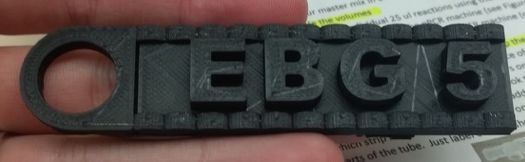
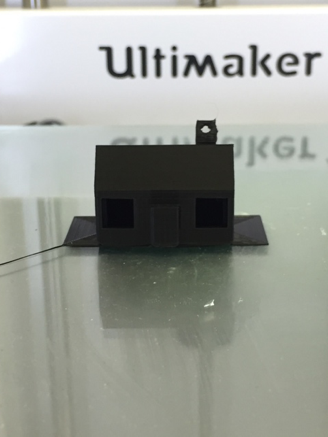
    I was one of the first students to take on the enigmatic 3D printing project in which we had to print something- anything- of our choice. Being the design freak that I am, I immediately jumped on it and wanted to have my 2D creation brought to life. The only problem was that the printer wasn’t configured and the instructions written by other students and online forums were very vague. The design software was also foreign to me, as putting shapes together became increasingly difficult. I went through about 3 misprinted, amorphous blobs before I finally figured out exactly how to use the design software effectively, (as in, NOT accidentally placing a hole in the middle of the object), transfer the files using the right file type, (embarrassing, but true), and use glue sticks to prevent the printout from sticking to the plate. I eventually got to hold my first 3D printout: a house keychain I made for my mom to show her the up-and-coming technology we had available to us in our lab! I had finally conquered the machine.

    I realized this was what it meant to be a researcher: own up to your endeavor, work tirelessly to achieve your goals despite the many failures that will inevitably come along your way, and be humbled by what you have created at the end of the day. At DIY Diagnostics, I have felt excited and motivated about every varied project I have been put on. The long hours spent in lab can be hard, but there’s something new everyday.

    That’s what I love about DIY Diagnostics- you’ll never be bored! With ongoing projects ranging from testing the water quality of our Waller Creek to devising a device for Zika virus detection to identifying sulfur-reducing bacteria in industrial frack water, there are both comforts and challenges for everyone. People ask me about my lab and what kind of projects we can do, but I think the better question is: “What can’t we do?”.

    stephanie3dprinter

  • The Best Stream (DIY Diagnostics)

    The Best Stream (DIY Diagnostics)

    Greetings fellow UT schoolmates,

    Firstly, I hope you are adjusting well to the Forty Acres, after all, the campus is freaking HUGE and there are always SO many people.  Not only that, but congrats on being admitted to the FRI program here at UT as well!  FRI provides undergraduates with incredible opportunities and resources, which are now available to you, so definitely be sure to take advantage of them.

    Secondly, I would like to tell you why I decided to join the best stream (DIY Diagnostics) in the FRI program and what I love about it.  Personally, I was a bit nervous and terrified to be doing research as a freshman because I felt inadequate and not nearly as knowledgeable as I needed to be in order to be considered a “researcher.”  However, when I was visiting all of the various FRI streams that appealed to me, DIY Diagnostics stood out the most to me and made the idea of research more tangible for me.  Maybe it was the thought of being able to help people in third world countries with various diagnostics or Dr. Riedel’s outgoing and relaxed persona that led me to put DIY as my first choice.  Whatever it was, I’m glad I made that decision.

    During my time in DIY, I have learned many valuable research and scientific skills, but my favorite was probably learning to code.  Prior to my first semester in DIY, I had never been exposed to coding or creating apps and I absolutely loved it!  It was incredibly frustrating and challenging, but I loved it because it was like a puzzle that I just wanted to finish.  Not only that, but I felt so accomplished and smart (even though I was learning basic coding material) because I could see what I had done.  I remember for our first app assignment, all we had to do was add our name to the code and it would appear on the page and I was so stinkin’ excited that I sent the link to my parents and they were just like, “That’s it?  You put your name on a page? Cool…”  It wasn’t until I got to create my own questionnaire app that they were slightly more impressed with my work.

    Originally, I was also super excited on learning how to pipette in the lab, until I did, and then it was not nearly as appealing as I thought it was.  Lab assignments aren’t always the easiest, but the mentors and Dr. Riedel are super great and very helpful.  Being in DIY has taught me that my primary interests are not actually working at a lab bench, which I found unusual.  In fact, one of my favorite lab assignments was when we got to use the 3D printer!  I made a keychain with my initials and favorite number on it.  It was also something that my parents thought was pretty neat right off the bat, so that was nice too!

    belen3dprinter

  • Making People’s Lives Easier, Healthier, and Happier

    jack

    Being part of the DIY Diagnostics stream has really been instrumental to my growth as not only a student but as well as a scientist here at UT. What drew me to this stream was the wide variety of projects that we work on during the spring semester, giving us a broad range of topics to dive deeper and explore in the fall. From checking the E. coli levels in Waller Creek to researching the genetic code of Zika Virus, DIY Diagnostics encompasses a wide spectrum of subjects, all relating to diagnostic tools. The vision of this stream is to create from start to finish a product like a pregnancy tester, where the consumer can purchase the test and perform it on her own without the guidance of a health care worker. We aren’t focused on looking to find a cure for a disease or learn more about the biological molecules that surround the world we live in today, but we care about making people’s lives easier and healthier, and as a result happier.

    DIY Diagnostics is one of the many streams under FRI, or Freshman Research Initiative. FRI is a program designed to help first-year students get plugged into research, and it’s been incredibly successful in its first 10 years. Although I don’t plan to pursue a career in research once I graduate UT, the skills and knowledge that I learn by being in labs can only prepare me for the road ahead. Specifically, being in DIY Diagnostics has enhanced my learning experience greatly. I’ve learned much more about bacteria, like E. coli and Enterococcus, by being in this stream, as well as techniques such as qPCR and pH-LAMP. In addition to furthering my knowledge in biology and chemistry, I’ve learned how to code. A key part of DIY Diagnostics is writing apps as diagnostic tools, so I’ve learned languages such as HTML, JavaScript, and CSS+. It’s definitely very impressive when you can show friends and family the apps that you’ve written, and writing apps gives you an immense sense of accomplishment. 3D printing is also something that we are known for and it’s really cool to have a 3D printer you can access in your lab.

    The community here in DIY Diagnostics is tremendous as well. Although UT can get very busy, somehow all the members find time to be in lab, to do research but also catch up as well. We’re all in this together and are very open to helping others succeed in the research that they’re doing. Overall, I’ve had a tremendous experience here in DIY. From the research to the friends, I wouldn’t have wanted my first year any other way.

  • Met my Interests of Computer Science and Medicine

    I am in my second semester in the DIY Diagnostics stream in the Freshman Research Initiative. I chose this stream because I felt it focused on a unique area of research which met my interests of computer science and medicine. In fact, this really was the only stream which had this interdisciplinary topic and that is why it was my first and most desirable choice, and I am very glad I was placed in it. In my first semester, I was introduced to many of the larger and longer term projects that the stream is working on, such as the Friome project, Waller Creek project, and Zika diagnostics project, as well as basic lab skills such as microscopy, PCR and pipetting. Many of these projects were intriguing and many of the skills I learned will be vital to success in other labs I have to take in the future.

    Out of the projects that I worked on, I found particular interest in the Waller Creek project and in 3D printing, a unique skill that we learn in DIY that I fell in love with. Waller Creek is a local creek here at UT and runs right through the center of Austin. The Waller Creek project focuses on diagnosing the quality of the creek by keeping track of bacteria levels and fecal matter in the water. 3D printing is a vital component of our lab because it enables us to make materials that are needed for our many projects. Examples of 3D printed lab creations include cell phone microphones, the lab’s Zika field kit (currently still in progress) and custom-made gel electrophoresis combs. I personally designed a detailed model of the UT tower that came out pretty well with some design input from my fellow researchers.

    This summer, I began to work on these two projects through my summer fellowship that enabled me to get a head start for the fall semester. My lab partner and I sampled from the creek twice a week, and I learned and documented many technical aspects of the 3D printer for future researchers to use. I also helped in the creation of a box that will allow the Zika and Waller Creek projects to progress from lab testing, to field testing, which is the ultimate goal for both groups.

    I think the experience of being in this stream has been invaluable in definitively determining what interests me and meeting other people who share these interests. My experience with mobile applications helped me realize not only that my computer science background will be useful regardless of my career (I am a computer science major) but also helped me refine some skills I hadn’t used in a while. The most memorable moment I have had in the stream so far is undoubtedly when I saw a water snake at the creek when it moved right next to me while I was attempting to gather water from the creek. After we knew the snake was there, my partner and I decided to quickly get the sample and get out of there. I have other friends in FRI and taking normal lab classes, both at UT and at other institutions, but I have no doubt that this is one of the most unique and best opportunities available to undergrads across the country and I thoroughly have enjoyed my experiences so far.

  • Lots of Learning and Friends!

    Hello FRI-ers!

    meta-cat-pic
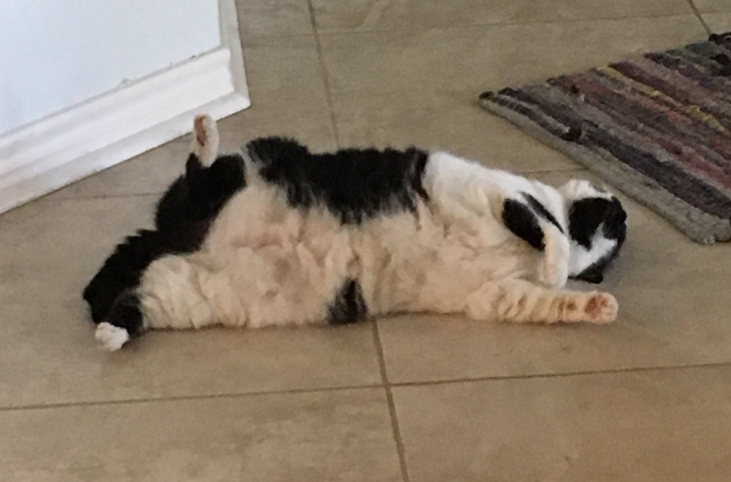
    I know that coming to college and starting a whole new life style is stressful enough, but on top off that y’all also added research to the mix! Let’s just say I’m proud of you. However, now come the self-imposed questions, “Do I want to continue research?”, “Is research really right for me?”, “What stream do I join next semester?”, and many more.  And all of these overwhelming questions would turn most people into my cat: tired with no motivation.

    But I can help you out with at least one of these questions and that is the question “What stream do I join next semester?” Sure I can’t tell you much about streams other than DIY Diagnostics but I can at least tell you about my own experience in this lab.

    I joined DIY Diagnostics because it allowed me to practice many different problems research would address. By this I mean that while in the stream I did a variety of labs from figuring out if pollutants (like E.coli and enterococcus) were present in Waller Creek to PCR which is where I isolated a strand of DNA, replicated it, and sequenced it. This lab also works on programing as well (Don’t worry! You don’t need to know any coding going into it. I sure didn’t.) which is becoming more of a necessity for many jobs now. Even though the work was hard there were always plenty, and I mean PLENTY, of people to help me out from my mentors to my fellow lab mates. Also, it was the people in the lab that made it fun!

    So if you’re looking for a lab where you’ll learn a lot, have tons of support and have a good time DIY Diagnostics fits the bill!

    P.S. You can set your own hours to work in the lab which is super helpful.