Computer science is not my forte- in fact, I would say it is my least favorite subject to study in any academic setting. Yet the most rewarding experience of my previous semester at DIY Diagnostics came about after laboring for 7 hours in lab slaving away at a 3D printer.
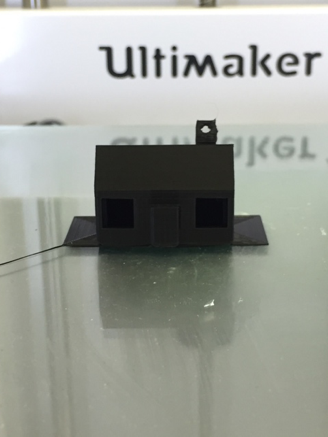
I was one of the first students to take on the enigmatic 3D printing project in which we had to print something- anything- of our choice. Being the design freak that I am, I immediately jumped on it and wanted to have my 2D creation brought to life. The only problem was that the printer wasn’t configured and the instructions written by other students and online forums were very vague. The design software was also foreign to me, as putting shapes together became increasingly difficult. I went through about 3 misprinted, amorphous blobs before I finally figured out exactly how to use the design software effectively, (as in, NOT accidentally placing a hole in the middle of the object), transfer the files using the right file type, (embarrassing, but true), and use glue sticks to prevent the printout from sticking to the plate. I eventually got to hold my first 3D printout: a house keychain I made for my mom to show her the up-and-coming technology we had available to us in our lab! I had finally conquered the machine.
I realized this was what it meant to be a researcher: own up to your endeavor, work tirelessly to achieve your goals despite the many failures that will inevitably come along your way, and be humbled by what you have created at the end of the day. At DIY Diagnostics, I have felt excited and motivated about every varied project I have been put on. The long hours spent in lab can be hard, but there’s something new everyday.
That’s what I love about DIY Diagnostics- you’ll never be bored! With ongoing projects ranging from testing the water quality of our Waller Creek to devising a device for Zika virus detection to identifying sulfur-reducing bacteria in industrial frack water, there are both comforts and challenges for everyone. People ask me about my lab and what kind of projects we can do, but I think the better question is: “What can’t we do?”.
Firstly, I hope you are adjusting well to the Forty Acres, after all, the campus is freaking HUGE and there are always SO many people. Not only that, but congrats on being admitted to the FRI program here at UT as well! FRI provides undergraduates with incredible opportunities and resources, which are now available to you, so definitely be sure to take advantage of them.
Secondly, I would like to tell you why I decided to join the best stream (DIY Diagnostics) in the FRI program and what I love about it. Personally, I was a bit nervous and terrified to be doing research as a freshman because I felt inadequate and not nearly as knowledgeable as I needed to be in order to be considered a “researcher.” However, when I was visiting all of the various FRI streams that appealed to me, DIY Diagnostics stood out the most to me and made the idea of research more tangible for me. Maybe it was the thought of being able to help people in third world countries with various diagnostics or Dr. Riedel’s outgoing and relaxed persona that led me to put DIY as my first choice. Whatever it was, I’m glad I made that decision.
During my time in DIY, I have learned many valuable research and scientific skills, but my favorite was probably learning to code. Prior to my first semester in DIY, I had never been exposed to coding or creating apps and I absolutely loved it! It was incredibly frustrating and challenging, but I loved it because it was like a puzzle that I just wanted to finish. Not only that, but I felt so accomplished and smart (even though I was learning basic coding material) because I could see what I had done. I remember for our first app assignment, all we had to do was add our name to the code and it would appear on the page and I was so stinkin’ excited that I sent the link to my parents and they were just like, “That’s it? You put your name on a page? Cool…” It wasn’t until I got to create my own questionnaire app that they were slightly more impressed with my work.
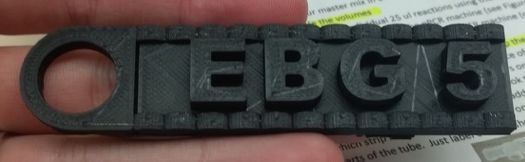
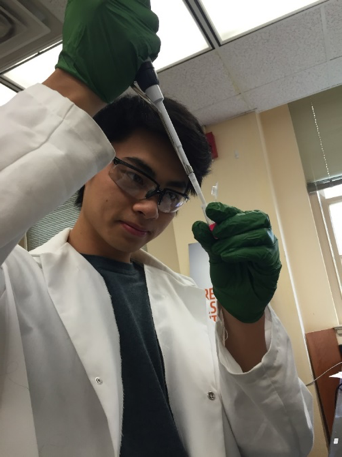
Originally, I was also super excited on learning how to pipette in the lab, until I did, and then it was not nearly as appealing as I thought it was. Lab assignments aren’t always the easiest, but the mentors and Dr. Riedel are super great and very helpful. Being in DIY has taught me that my primary interests are not actually working at a lab bench, which I found unusual. In fact, one of my favorite lab assignments was when we got to use the 3D printer! I made a keychain with my initials and favorite number on it. It was also something that my parents thought was pretty neat right off the bat, so that was nice too!
Being part of the DIY Diagnostics stream has really been instrumental to my growth as not only a student but as well as a scientist here at UT. What drew me to this stream was the wide variety of projects that we work on during the spring semester, giving us a broad range of topics to dive deeper and explore in the fall. From checking the E. coli levels in Waller Creek to researching the genetic code of Zika Virus, DIY Diagnostics encompasses a wide spectrum of subjects, all relating to diagnostic tools. The vision of this stream is to create from start to finish a product like a pregnancy tester, where the consumer can purchase the test and perform it on her own without the guidance of a health care worker. We aren’t focused on looking to find a cure for a disease or learn more about the biological molecules that surround the world we live in today, but we care about making people’s lives easier and healthier, and as a result happier.
DIY Diagnostics is one of the many streams under FRI, or Freshman Research Initiative. FRI is a program designed to help first-year students get plugged into research, and it’s been incredibly successful in its first 10 years. Although I don’t plan to pursue a career in research once I graduate UT, the skills and knowledge that I learn by being in labs can only prepare me for the road ahead. Specifically, being in DIY Diagnostics has enhanced my learning experience greatly. I’ve learned much more about bacteria, like E. coli and Enterococcus, by being in this stream, as well as techniques such as qPCR and pH-LAMP. In addition to furthering my knowledge in biology and chemistry, I’ve learned how to code. A key part of DIY Diagnostics is writing apps as diagnostic tools, so I’ve learned languages such as HTML, JavaScript, and CSS+. It’s definitely very impressive when you can show friends and family the apps that you’ve written, and writing apps gives you an immense sense of accomplishment. 3D printing is also something that we are known for and it’s really cool to have a 3D printer you can access in your lab.
The community here in DIY Diagnostics is tremendous as well. Although UT can get very busy, somehow all the members find time to be in lab, to do research but also catch up as well. We’re all in this together and are very open to helping others succeed in the research that they’re doing. Overall, I’ve had a tremendous experience here in DIY. From the research to the friends, I wouldn’t have wanted my first year any other way.
I am in my second semester in the DIY Diagnostics stream in the Freshman Research Initiative. I chose this stream because I felt it focused on a unique area of research which met my interests of computer science and medicine. In fact, this really was the only stream which had this interdisciplinary topic and that is why it was my first and most desirable choice, and I am very glad I was placed in it. In my first semester, I was introduced to many of the larger and longer term projects that the stream is working on, such as the Friome project, Waller Creek project, and Zika diagnostics project, as well as basic lab skills such as microscopy, PCR and pipetting. Many of these projects were intriguing and many of the skills I learned will be vital to success in other labs I have to take in the future.
Out of the projects that I worked on, I found particular interest in the Waller Creek project and in 3D printing, a unique skill that we learn in DIY that I fell in love with. Waller Creek is a local creek here at UT and runs right through the center of Austin. The Waller Creek project focuses on diagnosing the quality of the creek by keeping track of bacteria levels and fecal matter in the water. 3D printing is a vital component of our lab because it enables us to make materials that are needed for our many projects. Examples of 3D printed lab creations include cell phone microphones, the lab’s Zika field kit (currently still in progress) and custom-made gel electrophoresis combs. I personally designed a detailed model of the UT tower that came out pretty well with some design input from my fellow researchers.
This summer, I began to work on these two projects through my summer fellowship that enabled me to get a head start for the fall semester. My lab partner and I sampled from the creek twice a week, and I learned and documented many technical aspects of the 3D printer for future researchers to use. I also helped in the creation of a box that will allow the Zika and Waller Creek projects to progress from lab testing, to field testing, which is the ultimate goal for both groups.
I think the experience of being in this stream has been invaluable in definitively determining what interests me and meeting other people who share these interests. My experience with mobile applications helped me realize not only that my computer science background will be useful regardless of my career (I am a computer science major) but also helped me refine some skills I hadn’t used in a while. The most memorable moment I have had in the stream so far is undoubtedly when I saw a water snake at the creek when it moved right next to me while I was attempting to gather water from the creek. After we knew the snake was there, my partner and I decided to quickly get the sample and get out of there. I have other friends in FRI and taking normal lab classes, both at UT and at other institutions, but I have no doubt that this is one of the most unique and best opportunities available to undergrads across the country and I thoroughly have enjoyed my experiences so far.
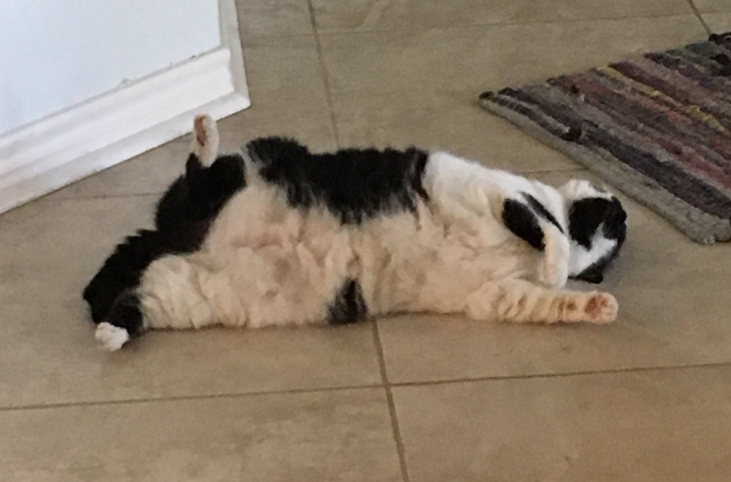
I know that coming to college and starting a whole new life style is stressful enough, but on top off that y’all also added research to the mix! Let’s just say I’m proud of you. However, now come the self-imposed questions, “Do I want to continue research?”, “Is research really right for me?”, “What stream do I join next semester?”, and many more. And all of these overwhelming questions would turn most people into my cat: tired with no motivation.
But I can help you out with at least one of these questions and that is the question “What stream do I join next semester?” Sure I can’t tell you much about streams other than DIY Diagnostics but I can at least tell you about my own experience in this lab.
I joined DIY Diagnostics because it allowed me to practice many different problems research would address. By this I mean that while in the stream I did a variety of labs from figuring out if pollutants (like E.coli and enterococcus) were present in Waller Creek to PCR which is where I isolated a strand of DNA, replicated it, and sequenced it. This lab also works on programing as well (Don’t worry! You don’t need to know any coding going into it. I sure didn’t.) which is becoming more of a necessity for many jobs now. Even though the work was hard there were always plenty, and I mean PLENTY, of people to help me out from my mentors to my fellow lab mates. Also, it was the people in the lab that made it fun!
So if you’re looking for a lab where you’ll learn a lot, have tons of support and have a good time DIY Diagnostics fits the bill!
P.S. You can set your own hours to work in the lab which is super helpful.
For almost two years now the DIY Diagnostics Research Stream has been monitoring Waller Creek along campus in the lookout for bacterial hotspots and attempting to identify the sources of these. I had the opportunity of joining the DIY Diagnostics Stream in 2014 and have been one of the Waller Creek investigators since then. I had honestly never really thought about Waller Creek before, even though it is right there in our main campus. Nevertheless, my time working on Waller Creek has made it clear to me that it deserves more attention than it currently gets. I’m honored to have received a Waller Creek Conservancy / Winkler Family Foundation fellowship through the Freshman Research Initiative to continue my research on Waller Creek.
The sites that we mainly focused on were located in the northern part of campus, where testing had proven high levels of fecal bacteria. Our tests consist of two stages; first we determine whether there is bacteria at any given site by using culture dependent techniques, which is basically giving bacteria nutrients and food and generally an awesome environment for them to grow. If the first stage proves that bacteria are present then we move on to the second stage. The second stage consists of determining where the bacteria came from, as of now we have the ability of telling whether the source of the bacteria is human fecal matter or dog fecal matter. It might sound kind of unpleasant and maybe almost kind of creepy, but think about it. These techniques allow us to identify contaminated water and point to the problem, which can then be fixed and prevented in the future. When talking about urban watersheds, such as Waller Creek, identifying sources of pollution is crucial. Waller Creek is surrounded by the city of Austin and the chances of people coming into contact with the water are pretty high, not to mention that Waller Creek eventually discharges its water into Lady Bird Lake where we like to paddle board and kayak, some of us also like to fall off of the kayak or paddle board into what we assume is water mostly free of human/dog “you know what.”
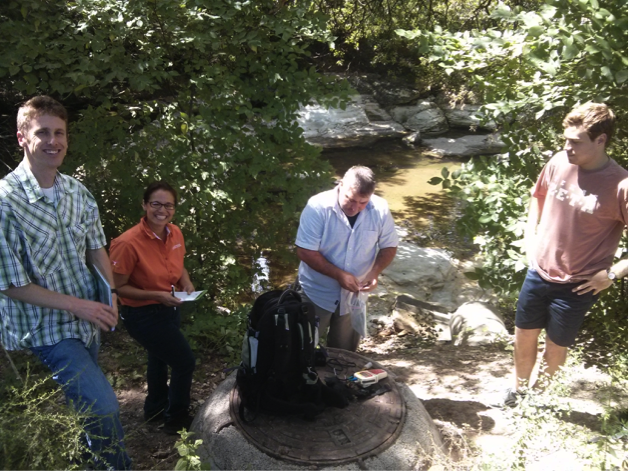
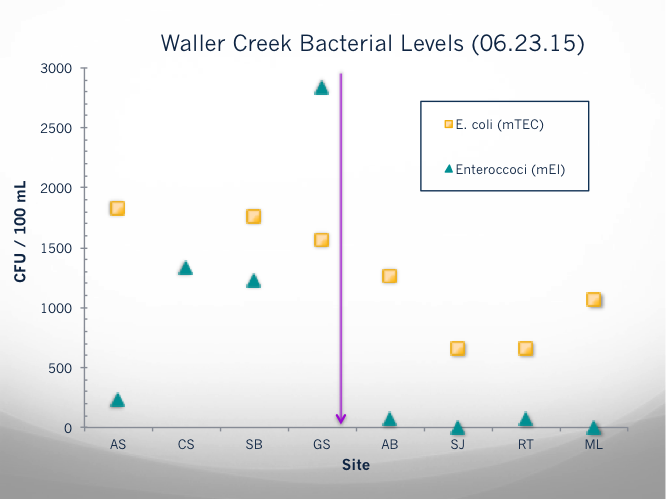
This summer we made some pretty amazing findings with the help of a group of high school students. The DIY research crew came together to lead high school students from the UT High School Research Academy to sample simultaneously at different sites along Waller Creek. We expected the results to show the usual happy bacteria, thriving in the very polluted water of Waller Creek. To our surprise, however, our usual joyful fecal bacteria were gone at the southern sampling sites. Where did they go? I’m talking about a huge drop, one that could mean two things: we messed up the experiment or something was making the bacterial levels drop fast.
These are the values of bacteria (E.coli and enterococci) at each of the sites sampled by the high school students. The purple line represents the point at which the bacterial levels dropped.
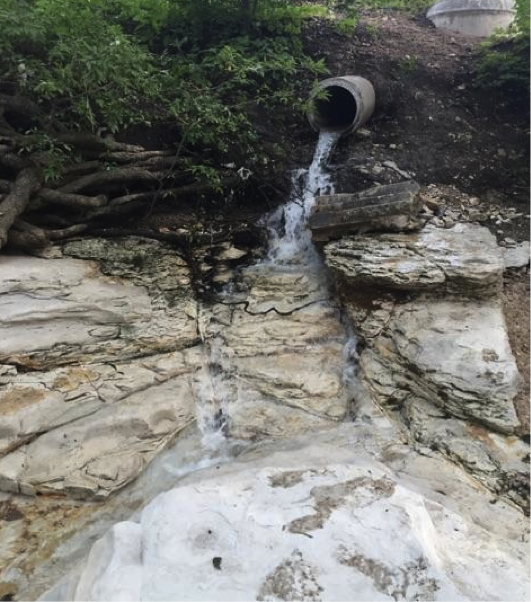
In attempts to find an answer we searched the creek for anything that could potentially explain the drop in bacterial levels. The search was a success! Right in the area of bacterial drop there was water flowing into the creek. We went ahead and collected water from the mysterious outfall to determine if bacteria were present. And the results said: NO. The culture dependent tests indicated that the bacterial levels were zero at this suspicious outfall. We returned to sample a second time and the amount of water coming out of the outfall was still high considering it hadn’t rained in more than a week. In addition, the temperature of the water from the outfall was almost 5C higher than the creek. Finally, we mixed some of the outfall water with water from a site further north that we know had high levels of bacteria. The bacterial levels of the contaminated water were cut in half!
Mysterious outfall.
We were now convinced that the mysterious outfall was somehow lowering the bacterial levels. We contacted Environmental Health and Safety and let them know about our findings. They were extremely responsive and within two days we met with them to show them the outfall. They conducted follow up tests and contacted utilities and facilities who were able to stop the outflow of water!
DIY Diagnostics Stream and EHS collaborating to protect Waller Creek.
Overall, this is a bittersweet story: Sweet because through scientific research we found a hazard to Waller Creek and with the help of EHS were able to stop the problem. Bitter because bacterial pollution is still a major issue in Waller Creek and needs to be addressed, especially since Austin’s population is growing. The next step for us is to determine the source of pollution, which I described before as stage two, and use this information to aid in the restoration of Waller Creek and ultimately prevent future contamination.
Blog Post by Ava Ibanez:
Ava Ibanez is a student from Mexico City completing her Bachelors in Science degree in Marine and Freshwater Biology at the University of Texas at Austin. Currently, she is on her third year and expects to graduate in the Spring of 2016. She has experience with experimental design, conducting independent research, and research presentation. During 2014 Ava worked as a mentor and researcher in the DIY Diagnostics Research Stream at the University of Texas at Austin. Her research focused on assessing bacterial levels in Waller Creek and determining the source of the bacteria through culture independent techniques. Ava was then accepted into the Semester by the Sea undergraduate research program at the University of Texas Marine Science Institute in Port Aransas, where she worked on another independent research project focused on fisheries ecology in the Northern Gulf of Mexico. Most recently she took a field research class through UT at the Yucatan Peninsula in Mexico, where she led a group research project and studied the effects of tourism on the feeding behavior of herbivorous fish. In the future, Ava wishes to continue her education in graduate school as a field biologist with a focus on natural systems, such as Waller Creek, that are increasingly affected by anthropogenic and environmental factors.
In the Spring 2014 semester, 34 freshmen along with 7 upper-division mentors completed a series of skill development exercises that produced authentic data on a wide range of topics including the diversity of the student’s oral microbiome, the public health of the creek on UT campus, and the diagnostic potential of molecular techniques on saliva.
LAB-WIDE PROJECTS 2013–2014
Oral Microbiome Metagenomics
Students designed ethics board approved study linking bacterial diversity/abundance in saliva with health and behavior
Generated 81 sequence libraries of oral microbiomes
Authored online survey with 114 questions to characterize health/behavior
Found tentative correlations between bacteria levels and sleep/gum chewing/hand washing
Molecular Diagnostic Development
Successfully implemented a diagnostic PCR for P. gingivalis
32 diagnoses made based on PCR results
Adapted P. gingivalis PCR protocol to novel qPCR diagnostic
107 assays run leading to 31 diagnoses
Public Health Water Quality Assessment
Sampled campus creek
28 water samples analyzed
3 different bacteria levels quantified
3 site locations analyzed
Surprisingly high bacteria levels found indicating possible sewage leak
Diagnostic Apps Development
Students developed “survey style” apps
Brainstormed ideas, developed apps independently
Diagnose a wide range of conditions
tinyurl.com/diyappgallery
FOCUSED DIAGNOSTIC PROJECTS SUMMER 2014
Dehydration saliva diagnostic
Ear wax (cholesterol) diagnostic
LAMP PCR development: next-gen tool for diagnostic development
Frack water diagnostics: Working with industry partner to develop molecular diagnostics to quantify sulfate reducing bacterial contamination in water produced by hydraulic fracturing
Texas Memorial Museum collaboration: Two summer students received a Joseph Jones Life on Waller Creek fellowship to continue work on creek bacteria
Diagnostic industry collaboration: Negotiated summer internship with local startup diagnostic company to optimize a patent-pending diagnostic device
Summer App Development: Students unable to stay in the lab working remotely on diagnostic app projects
My interest in the DIY Diagnostics stream was actually sparked long before my knowledge of the Freshman Research Initiative, and long before my enrollment in UT, and, if we’re being very specific, long before my acceptance to the university at all. As a senior in high school, my AP biology teacher offered us extra credit to attend Hot Science: Cool Talks at UT. The “Cool Talk” I ventured to was hosted by Dr. Andrew Ellington and it was all about self-diagnosis. Or rather, diagnosing yourself at home, made to be as simple as the at home pregnancy test. You do it at home and if you realize you have an illness that needs medical attention you can get to a doctors office. If you just have the common cold, you stay at home and save you and your doctor time. This was really interesting to me and it made lots of sense; finding something that saves time and money – I’m in! I’m also constantly looking for things that interest me, because it seems I have this chronic state of boredom I am trying to shake.
So, I did my one page write up of this extremely “hot” science, turned it in, got my five points of extra credit and moved on. Over the next however many months I ended up out of high school and at UT in the Freshman Research Initiative and was a few months away from having to apply to streams. As soon as I saw DIY Diagnostics I was reminded of that talk that had so caught my interest. I realized I couldn’t make any of the open houses and scheduled a meeting with the RE, Dr. Tim Riedel. And after that I was pretty sure there wasn’t another stream I wanted be in.
Being in the DIY Diagnostics lab is like being a real researcher, because you are a real researcher, which feels very hard at first for someone who has never been in a “real” lab before. You do everything on your own, and if you are me, you do it with a serious lack of confidence the first go around. By the end of the year I had mastered skills I didn’t even know existed before this class and was performing tasks that had taken me half an hour in the beginning of the year in half that time. The first time I felt like an actual scientist was during our weekly meetings when we were having a discussion that sounded like science and I understood all of it, and had responses and we were all formulating things together that would have sounded like garble to me three months prior.
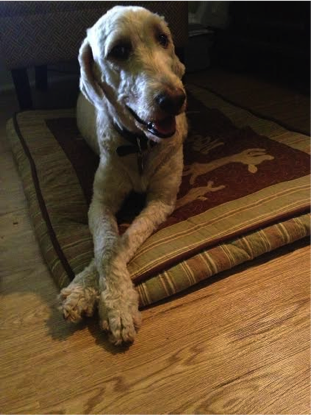
One of my favorite diagnostics we did was using dog saliva. Now before I get into it, we did not get any valid results from experiment, not one person out of the 35-40 students. But I am starting to learn this is less about being distraught about failure and more about learning what to do differently the next time around. Those of us with dogs had to swab the dog’s mouth, fill out a survey on the dog’s behavior, then extract the DNA in the dogs mouth and see if we could link any of the DNA to behavioral characteristics. Pretty cool, I know, but it didn’t work. This semester I would like to figure out why it didn’t work, or at least how to get it to work. I love this stream because I am able to make my own decisions like that. And I’m sure if I suddenly develop a hatred for dogs and their saliva I have no doubt Tim would help me figure out something else to benefit the stream but also keep me from being totally miserable. DIY is a well-run, very interesting lab. I highly recommend it to anyone who wants to feel like a scientist and really have a integral part of their research experience. I will now refrain from making any puns involving Labrador retrievers and research labs, but I will include a picture of my photogenic dog whose saliva I have and will be testing.
Going to open houses can have an affect similar to that of an approaching avalanche. But don’t panic! Despite the wealth of streams available and all of the information to be absorbed, it’s completely possible to fall in love with a few research topics.
To help first semester freshmen here at UT with their FRI stream decisions, we’ve asked our Fall 2014 student researchers to write about their time with the DIY Diagnostics stream. Most of our researchers are sophomores, but we have several upperclassmen too, as well as mentors who have already finished their FRI coursework.
Our researchers have worked to extract bacterial RNA from saliva samples, find sulfur-producing microbes in fracking water, and search out chemical signatures in olive oil using TLC plates. By working to place diagnostic power in the hands of the consumer, we hope to help create more personal and safe health care and industrial diagnostic systems.
If you like what you read, make sure to stop by the DIY open houses.
I chose to be in the DIY Diagnostic stream because we have a diverse selection of opportunities available for research and lab experience. There are a variety of group projects available to become a part of, like the FRIome, frack water, and Waller creek projects, but we are also given the opportunity to develop our own research projects. I think it is also really cool that we learn how to code, because without this stream, I’m about 85% positive I would have never learned to code, and I’ve always wondered how it works.
I think I am most excited about the FRIome project simply because I’m a biology major and this field interests me. I have heard many times over here at UT, that there are more bacteria cells in/on your body than there are your own cells, so I definitely believe that these bacterium have to be affecting humans in some way, and FRIome could possibly help to determine how.
Being part of the research community at UT has helped me succeed because you get to meet a tone of ridiculously smart and friendly people and you also learn a lot of techniques that can help you in your future research or labs. I actually went into my Chemistry Lab course with a great understanding of techniques, lab protocols, and tools simply because I had a great learning experience in the DIY Diagnostic stream.
I think the funniest part of the stream was that many of us students would be so completely lost at times and think that everyone else knows what they are doing, but when you talk to students you realize we’re all on the same page. After the first couple of weeks, when all the students were settled in and friends were made, that is when the serious work went down because there was a great sense of community and everyone collaborated to achieve success and spread the skills we had just learned. I think that was a major experience of the stream.
Compared to other undergrads who have done research outside of this stream, or FRI in general, the DIY Diagnostics stream definitely puts a lot of emphasis on student participation. We are the ones collecting samples, analyzing data, and the results. I think it is very important to be a part of every step in the research and we are given every opportunity to do so. I see diagnostics as moving in the direction of primarily “at-home” diagnostics because they will generally be faster and cheaper, and guess what, this stream is called DIY (do it yourself) Diagnostics, and I see this DIY diagnostic stream as a way to force upon the world a more stringent focus on accessibility to technologies we have to capability to produce and help accelerate the production of “at-home” diagnostics.
 Ava Ibanez is a student from Mexico City completing her Bachelors in Science degree in Marine and Freshwater Biology at the University of Texas at Austin. Currently, she is on her third year and expects to graduate in the Spring of 2016. She has experience with experimental design, conducting independent research, and research presentation. During 2014 Ava worked as a mentor and researcher in the DIY Diagnostics Research Stream at the University of Texas at Austin. Her research focused on assessing bacterial levels in Waller Creek and determining the source of the bacteria through culture independent techniques. Ava was then accepted into the Semester by the Sea undergraduate research program at the University of Texas Marine Science Institute in Port Aransas, where she worked on another independent research project focused on fisheries ecology in the Northern Gulf of Mexico. Most recently she took a field research class through UT at the Yucatan Peninsula in Mexico, where she led a group research project and studied the effects of tourism on the feeding behavior of herbivorous fish. In the future, Ava wishes to continue her education in graduate school as a field biologist with a focus on natural systems, such as Waller Creek, that are increasingly affected by anthropogenic and environmental factors.