

A plan to save the forests
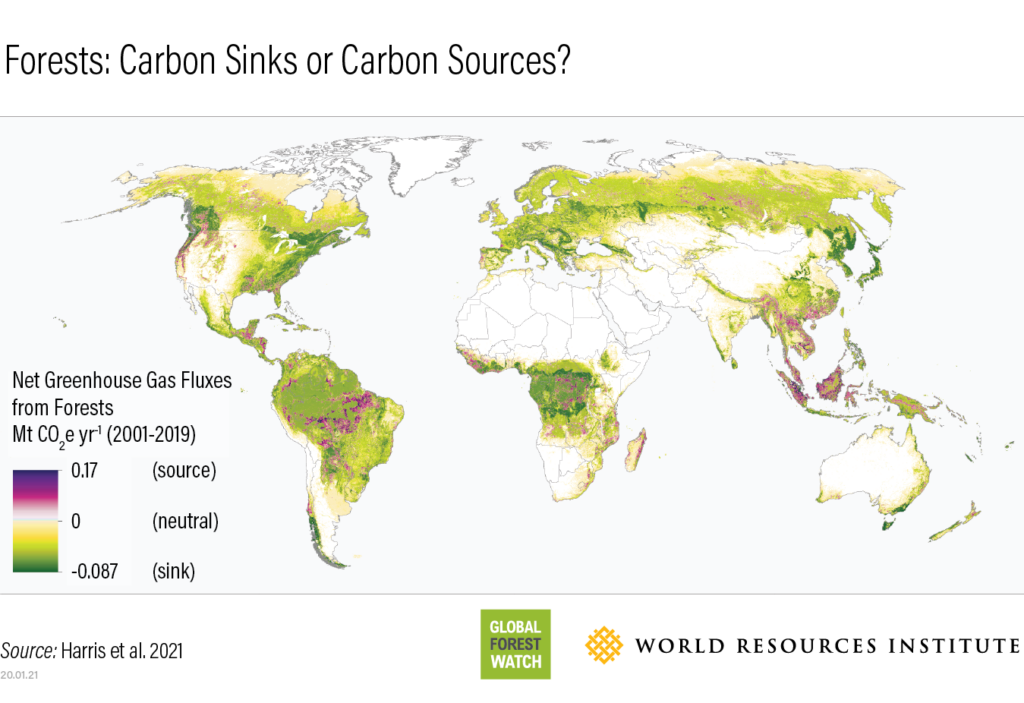
The majority of the world’s tropical rainforests that act as the lungs of the world are located around the equator in South America, Western Africa, and Southeast Asian. The rainforests of Borneo are critical to efforts to combat climate change and are at the center of efforts to combat climate change.
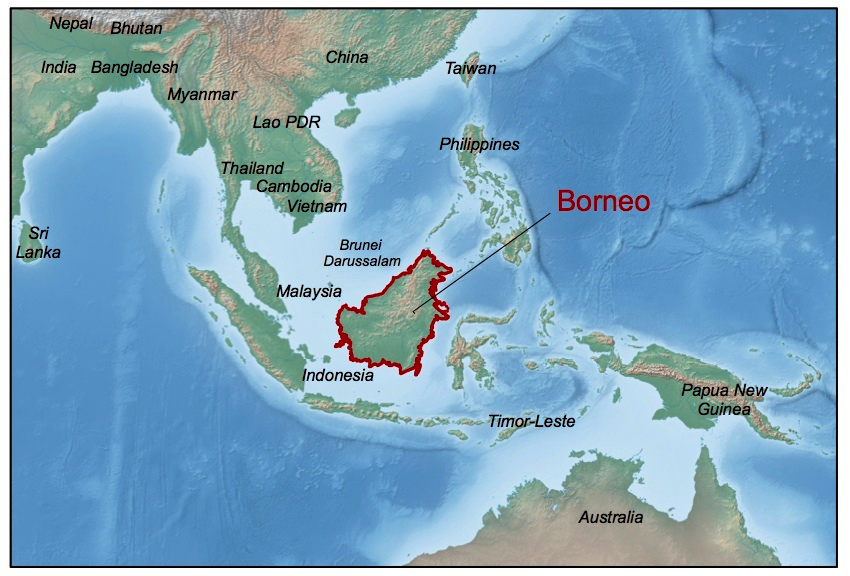
The island of Borneo is a large, densely forested landmass north of the island of Java and east of peninsular Malaysia. The countries of Malaysia, Brunei, and Indonesia occupy the island all contribute to the deforestation problem.
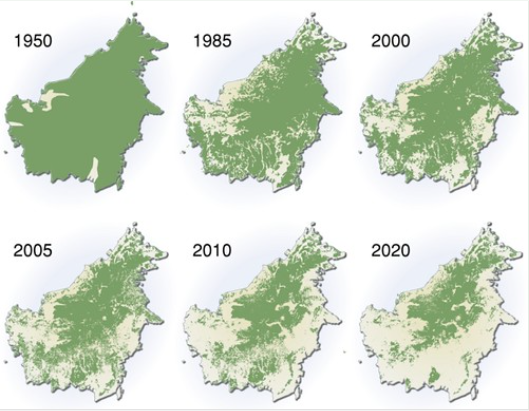
Borneo has lost over 50% of its forests since 1950 as human development, the lumber industry, and palm oil plantations have taken over. This deforestation has accelerated with time and the COVID-19 pandemic has not caused a corresponding drop in deforestation like global emissions. The economic insecurity caused by COVID-19 will only encourage further deforestation in the name of economic growth.
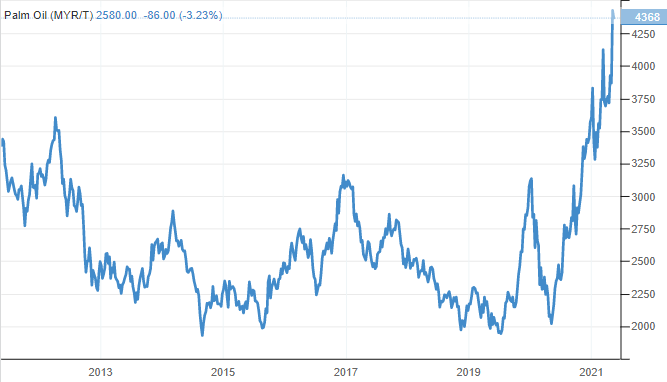
The deforestation trends were particularly vulnerable to palm oil prices that were high in the early 2010s. Palm oil plantations rapidly increased their deforestation efforts from 2005 to 2020. This deforestation effort largely followed the price of palm oil, which has recently doubled from its pre-pandemic low.
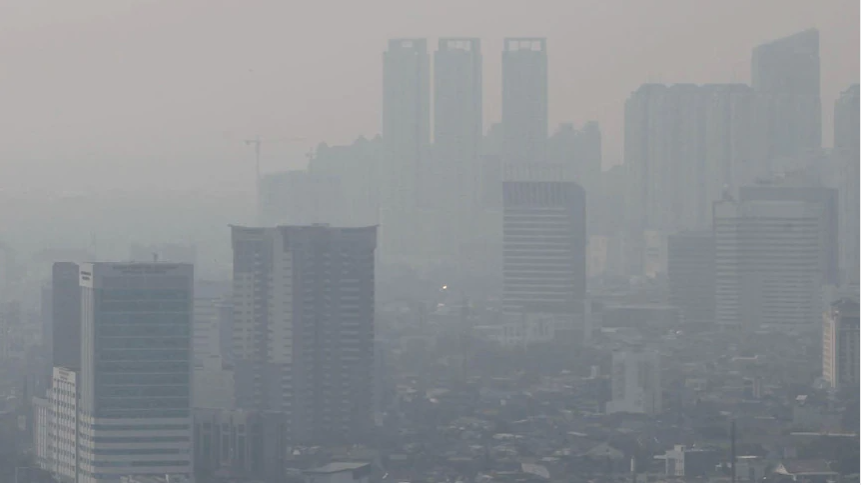
To make matters worse, the Indonesian government recently announced that it intends to move its capital from Jakarta on the island of Java to the province of East Kalimantan on the island of Borneo. This move has been reported to involve shifting at least 1 million people from Jakarta to Borneo, possibly causing the pollution and urban sprawl of Jakarta to come to Borneo.
Counter the Palm Oil and Lumber Industries – Create a Global or Regional Rainforest Economic Fund
The biggest factor in deforestation of Borneo is economic insecurity. President Biden’s proposal for a $20 billion Amazon Rainforest fund needs a tailored equivalent for Southeast Asia. This fund would counter economic incentives to cut down rainforests for palm oil or lumber.
Implement government-to-government carbon trading on a larger scale.
Similar to a rainforest economic fund. This system of carbon trading would allow countries outside of Borneo to fund conservation efforts in exchange for their equivalent carbon sink offset. This would help shift the island of Borneo to largely a carbon sink from slash-and-burn palm oil plantations and industrial logging, to a conservation environmental sink.
You can make a Difference – Reduce your Palm Oil Consumption
Palm Oil is used in everyday items such as: vegetable oil, biodiesel, and skin products. Consumers can reduce the incentive for palm oil plantations to cut trees down by cutting down or removing these products from their lives.