Vision
Our research group aims to improve the lives of humans via the development and use of safe imaging technology. This work primarily centers on the advancement of quantitative, US and MRI based biomarkers of blood flow, oxygenation and other physical parameters. We use our tools to study (patho)physiology, expand clinical imaging and make imaging safer and more accessible. We image human subjects and tissues with an emphasis on underserved populations including those with kidney disease, children, Black/Latino Americans, older adults and other marginalized populations. We collaborate broadly, so be sure to contact us if these research areas interest you!
Ongoing and Funded Project Areas
Robust Kidney MRI – Funding Terminated 5/2025
Funding for this project was terminated in April 2025 due to changes in federal policy. Unfunded work is ongoing.
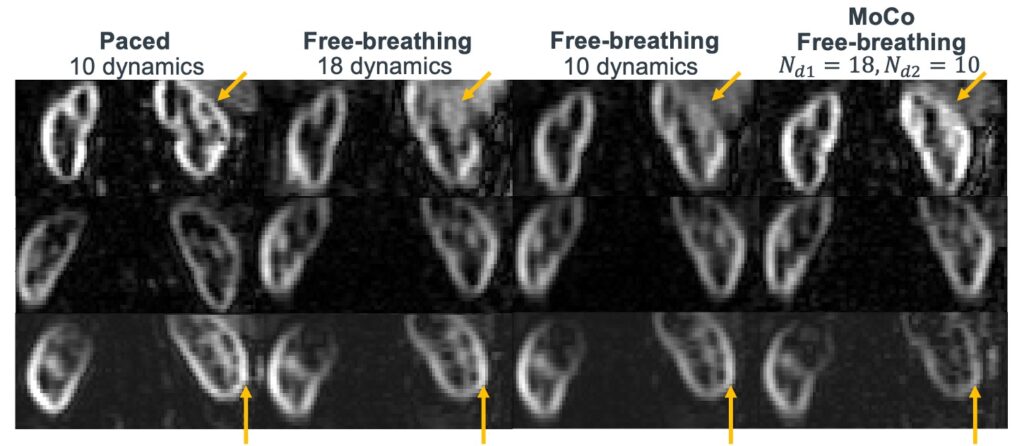
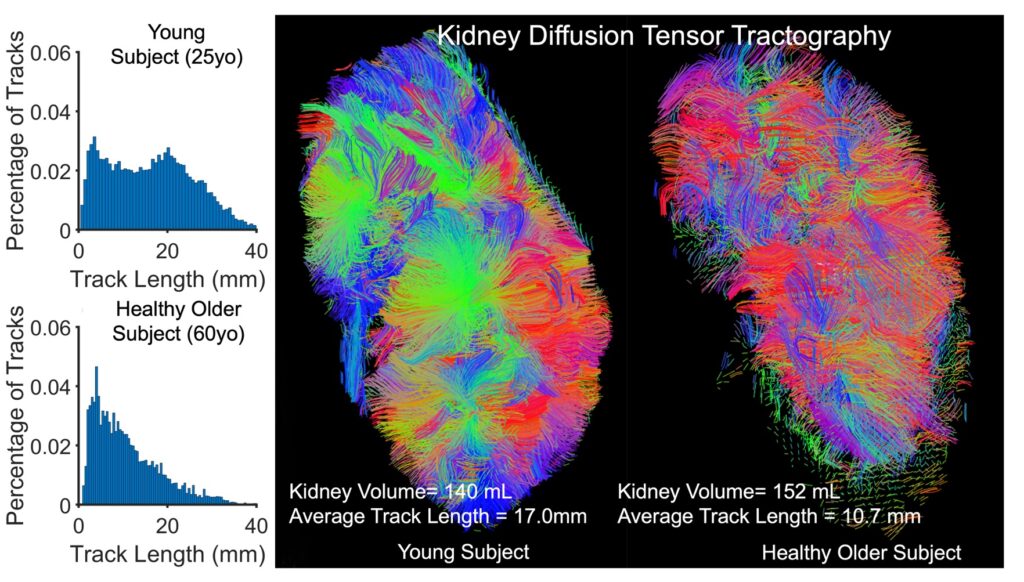
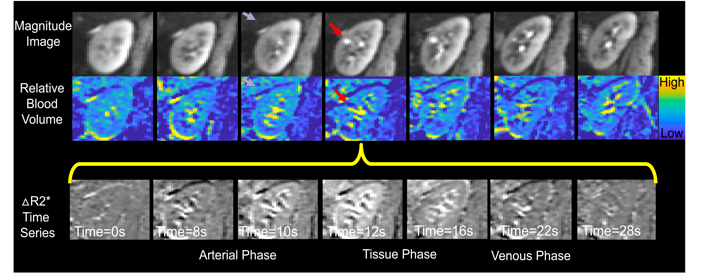
Kidney disease is an under-appreciated cause of cardiovascular disease, morbidity and early death and is rarely assessed with imaging. This project aims to develop and improve safe, non-contrast kidney function mapping using MRI. Techniques include motion tolerant arterial spin labeling perfusion, diffusion MRI and contrast-free dynamic susceptibility contrast imaging. In collaboration with the Tamir Group at the University of Texas at Austin.
Cognition and Kidneys
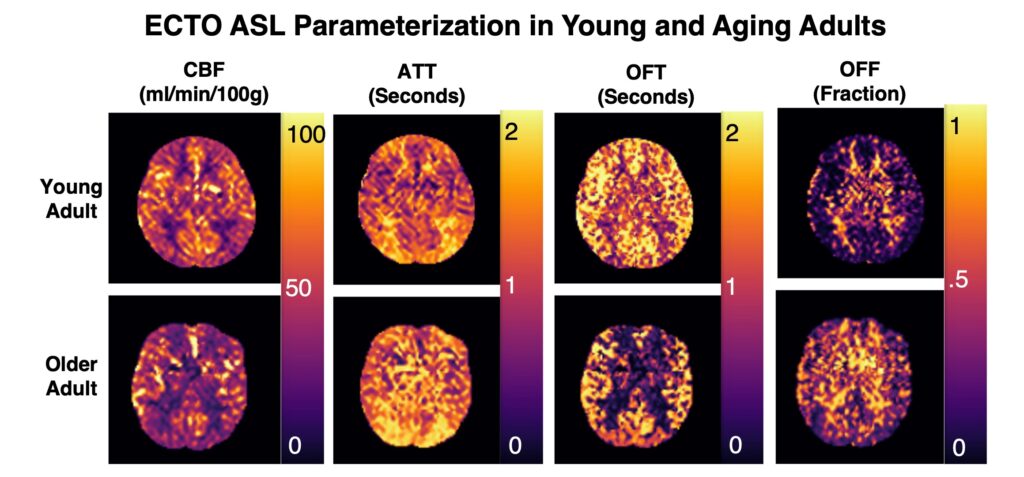
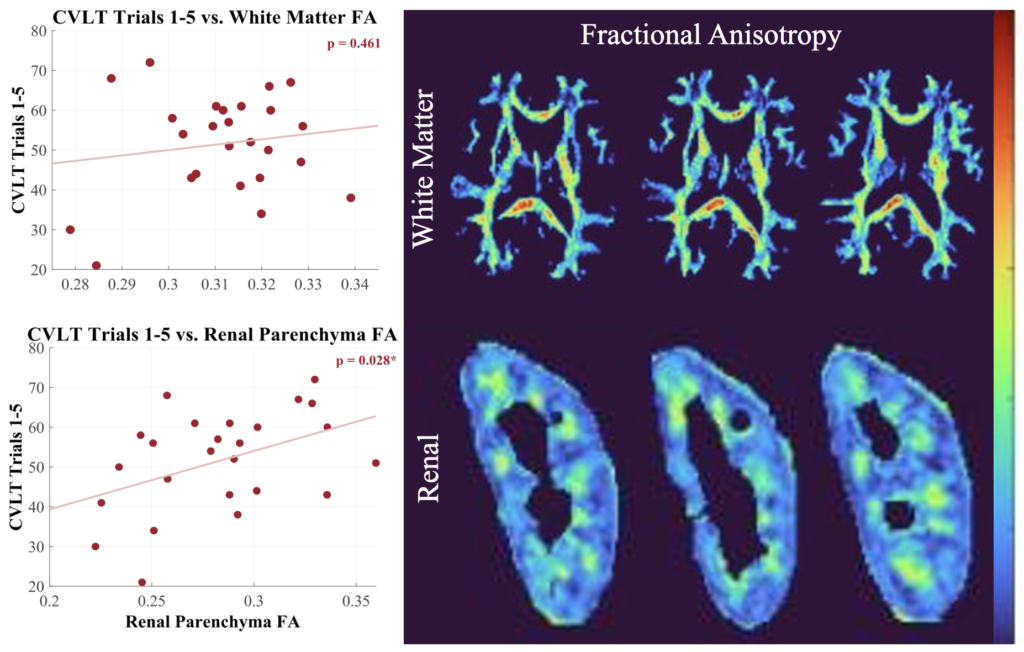
Vascular disease is a major contributor to many forms of dementia. This project aims to develop and use advanced structural and functional imaging and ambulatory monitoring of the heart, brain and kidneys to elucidate early reno-neurovascular mechanisms of cognitive impairment, particularly in racial/ethnic minorities due to higher prevalence. Work with the Clark Group at the University of Texas at Austin.
Completed Projects
Blood Clot Mechanics in Sickle Cell Disease
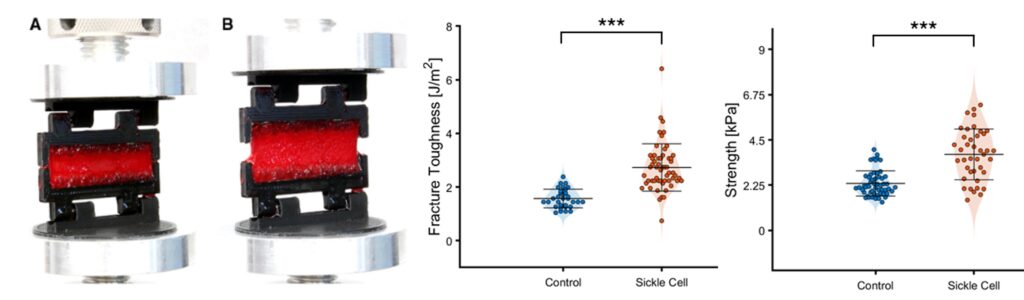
Sickle cell disease is a blood disorder characterized by the production of abnormal red blood cells that primarily effects people of African descent. This project aims to identify fundamental biomechanical properties of blood clots in effort to understand, prevent and treat adverse events including pulmonary embolism, ischemia and pain. In collaboration with the Rausch Group at the University of Texas at Austin and Alicia Chang of the Blood and Cancer Center at the Ascension Seton Dell Children’s Hospital.
Support
We are proudly supported by American Heart Association 26RIRA1646213, NIH 5R01EB033916, “Robust, Contrast-Free Functional Renal MRI” -Terminated April 2025