
The question sounds deceptively simple: What do young people who have aged out of the foster care system actually need to find their footing in the world?
The answer, as it turns out, is rarely more information. It’s guidance through the information that already exists. Someone to walk alongside you until the path starts to make sense.
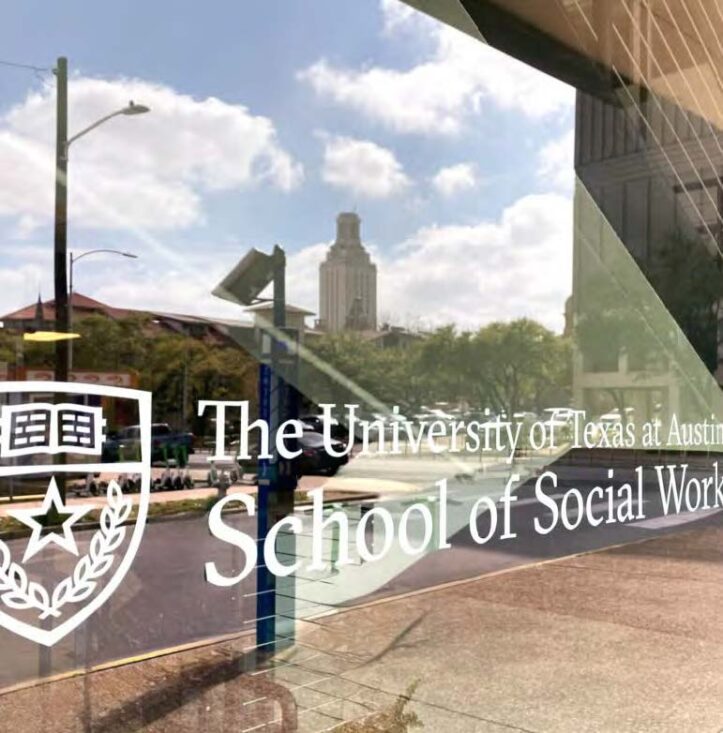
That insight sits at the heart of the Texas Foster Youth Network, a new initiative launching this year from the Texas Institute for Child & Family Wellbeing at The University of Texas at Austin School of Social Work. Funded by a $4 million grant from the Texas Workforce Commission, the network will operate a call center staffed by former foster youth to provide case management and connect young adults to resources in education, employment, housing and more.
What makes the Texas Foster Youth Network stand out isn’t just what it does. It’s who’s doing it — and who helped design it.
Building Something That Works
Before the call center opens its first line, young people who have lived in foster care will help shape how it operates. Over the first year, the Texas Institute for Child & Family Wellbeing will hire young adults with foster care experience to guide a landscape analysis, inform an outreach plan and develop operations policies. That means the people who know these systems best — not just academically, but personally — will define what good service looks like.
“By centering lived experiences in our advisory groups and staffing, the Texas Foster Youth Network will develop a relevant and accessible resource for foster youth to access vital services in education, employment, housing and more,” said Monica Faulkner, director of the Texas Institute for Child & Family Wellbeing.
It’s an approach grounded in TXICFW’s prior research showing that young people want reliable relationships with adults and that human connection is essential to success. But Faulkner and her team also recognize the potential for technology to expand the network’s reach. Current foster youth will help identify the best practices for incorporating artificial intelligence into the call center’s services — a planning process that keeps young people in the driver’s seat even as the tools evolve.
Lilly Dealbert was one of the first young adults to work on the network’s development. Dealbert completed her field placement for her BSW degree with Texas Institute for Child & Family Wellbeing where she conducted interviews with young adults and facilitated workshop sessions to understand what the youth wanted. Dealbert, who spent time in foster care, was not surprised by what she found.
“We found that youth want trusted and stable connections above and beyond chatbots and AI,” said Dealbert, BSW intern. “They highlighted the importance of consistent relational support as a bridge to the resources they need. Our strategy for staffing the center with former foster youth should help meet that need.”
The Complexity No One Warned You About
Tym Belseth knows the friction firsthand. A former foster youth and now senior program coordinator at the School of Social Work, he describes a frustration familiar to anyone who has tried to navigate government systems without a roadmap.
“If you think about the first time you had to make a medical appointment or deal with a government bureaucracy on your own, it was probably a bit more complicated than you expected,” Belseth said. “It can be very discouraging for youth to receive a list of resources and have to call a random person, tell their stories and then be told to go somewhere else for help or fill out a different paper. Our hope is to help walk them through those processes, so they learn not to give up.”
“Our school has a long history of working with the state to improve child well-being in Texas,” said Dean Allan Cole. “The Texas Foster Youth Network is the next step in our commitment to helping youth transition from foster care toward thriving adulthood.”