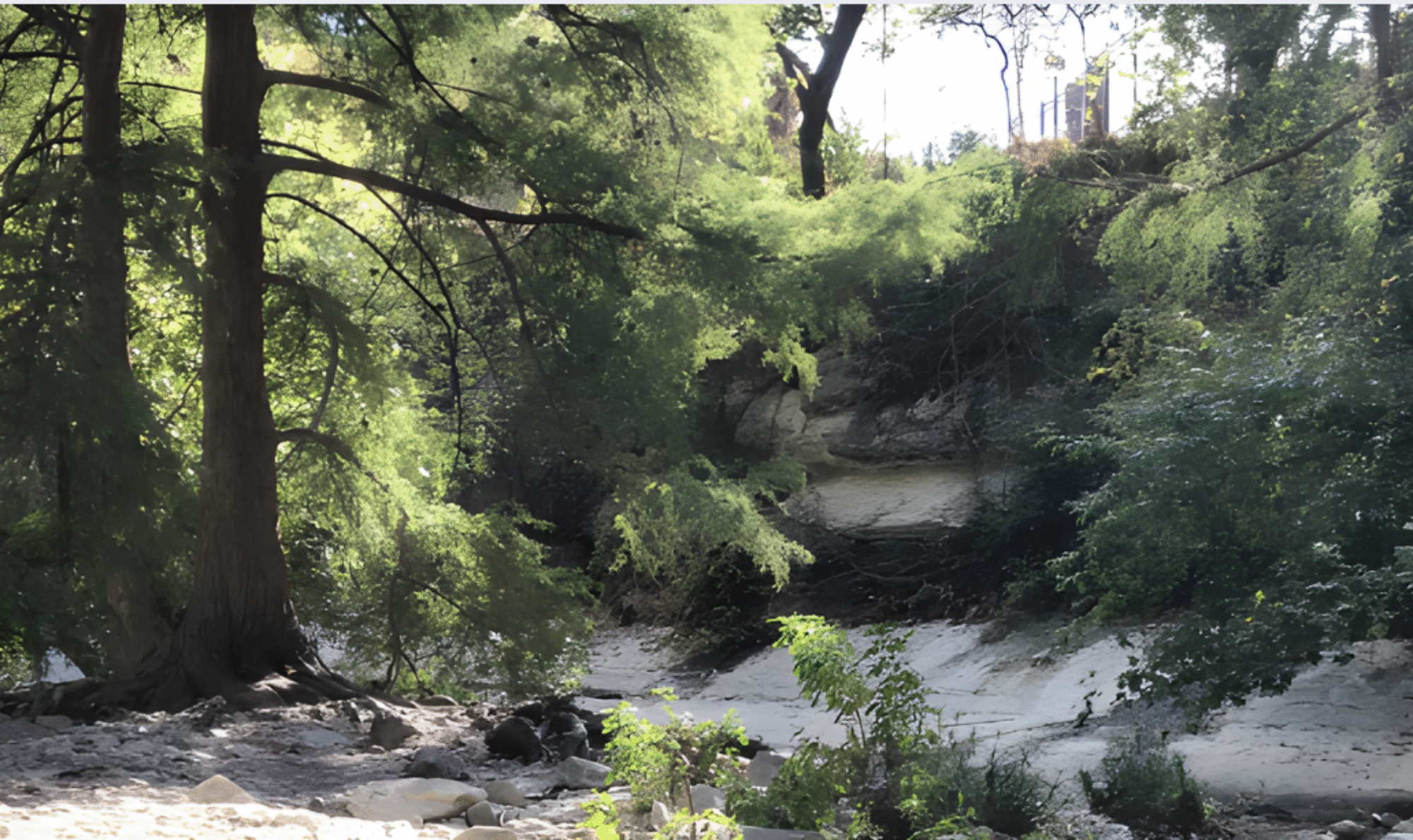
This semester, the Urban Ecosystems research stream is taking science communication to a whole new level. We are writing a book! Our students aren’t just studying urban ecosystems; they’re sharing their discoveries in a way that anyone with a love for science can follow, learn from, and even recreate. The project combines creativity, collaboration, and research into something that brings scientific outreach directly to readers.
In a recent interview, student researcher Sienna Springate shared insights into the project’s development.
“Habitat Scouts began during the pandemic as a creative way for students to explore urban ecosystem science from home. What started as a collection of virtual lesson plans, videos, and online experiments is now evolving into a hands-on, interactive workbook — written, designed, and organized entirely by students,” she explained.
Together, the team is compiling class materials from different platforms – from documents and videos – into a follow-along workbook format for others to use. The book will feature urban ecosystem concepts, interactive exercises, visuals, and simple at-home experiments designed to make science accessible and fun. Sienna shared that her current role focuses on compiling and organizing the chapters, while her teammates are busy preparing the book’s prospectus and reaching out to publishers. She described the process as both challenging and rewarding, emphasizing how much the group has learned through collaboration.
“We’re constantly learning new things, but we’re figuring it out together,” Sienna said. “Stuart – RE in the lab – has been incredibly supportive throughout, and I’m excited to keep making progress on the Habitat Scouts project!”
The Urban Ecosystems students are managing every part of the publication process — from early preparation and chapter development to pitching to publishers. This project is not just about writing; it’s about learning how to communicate science clearly, engagingly, and accessibly. The project reflects the goal of our Outreach team — sharing science with all audiences. By compiling the methods and discoveries into this book, the students aim to make their work replicable and approachable for others — whether they’re students, educators, or anyone curious about urban ecosystems and sustainability.
Through Habitat Scouts, the team aims to encourage others to conduct their own experiments, observe their local habitats, and form a deeper connection with the ecosystems around them. It’s a project that is interactive, educational, and student-driven. Every page represents collaboration, curiosity, and a commitment to making science accessible for everyone to participate in. Stay tuned for updates on the Habitat Scouts publication process and for more exciting stories from the students of Urban Ecosystems!
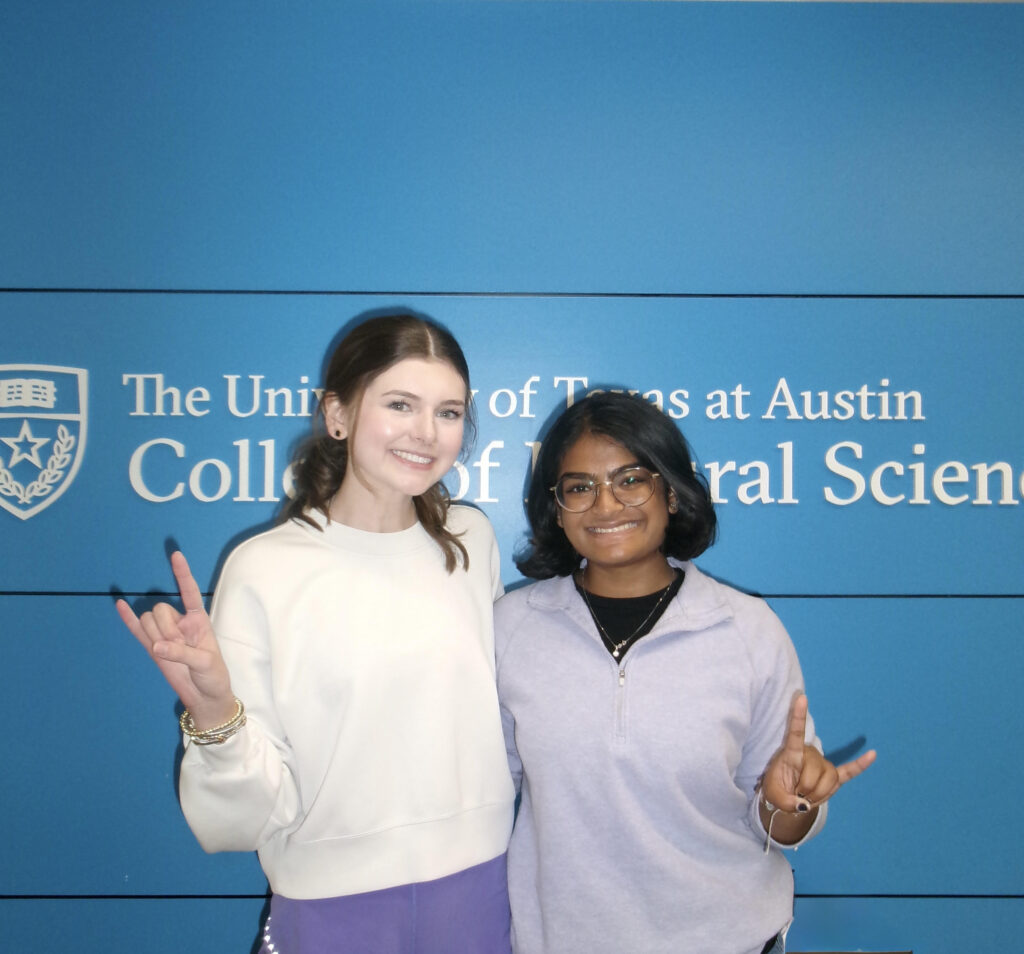
Left to Right: Sienna Springate, Hasita Karthikeyan