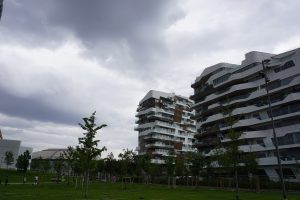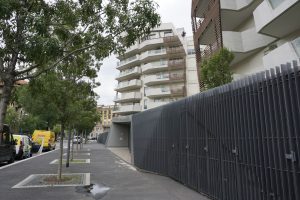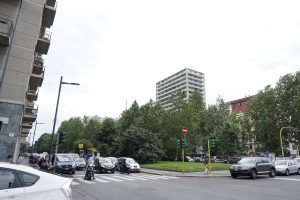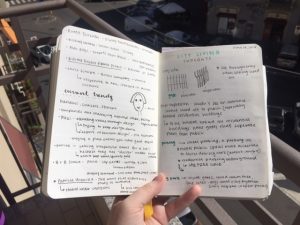
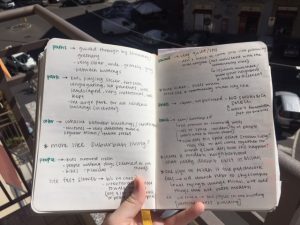
Like many other groups, our initial plans for the mapping walk were altered by the actual experience of the walk. Our first focas was accessibility. When we realized we were given a route where the two endpoints were residential areas, we know this was not a coincidence. We were all in agreement from the start that we wanted to focus on the human interaction with the places we came across since these places are where people live. So in the most basic form, we chose accessibility with a focus on safety. Who and how people would enter the area, move around within the area, and then exit the area. Our reasoning behind this choice was that we were given a mini community, the CityLife area, that without knowledge of the buildings, looks and feels vastly different than the surrounding area. With anything intended for longevity, especially buildings, there has to be a purpose or a reasoning behind basically every aspect of the construction. We decided to focus on accessibility as a way to understand the difference in intention.
Upon entering the gates, we immediately noticed the sense of order in City Life. The area seemed quiet and composed, which is something we had not yet experienced in Milan. There were not many people on the perimeter of the street, and those who were there were moving a lot slower than the average Milanese person outside of the CityLife area. Besides that, the area had clear and visible ramps for sidewalks and parking garage areas, clearly marked crosswalks and bike lanes, and well-lit streets. The next thing we took note of was the perimeter gate around the CityLife property. Typically, this would not be something special since almost every other apartment building is gated. But this gate was different. It looked almost as to be for aesthetic. The gate wasn’t very high or made out of material deemed threatening. It may have been built as a formality or subliminal message of consciousness. The gate function, or lack of, reminded us of suburban living. This is where our focus shifted from accessibility to urban vs. suburban planning. The conversation of what separates a suburban neighborhood and an urban area came up. We talked about how urban development is shaped by the area of land whereas a suburban area shapes the land. We were almost fully committed to this idea until we talked to one of the CAs, Ilenia Costa. She mentioned how Milan was constantly changing (always trying to stay up to date) but the new construction is never meant to change to area absolutely but to be another addition to what Milan is (less of a melting pot and more of a curio stand).
This is where our final plan came together. We realized that CityLife is reimagining what it means to live in the city incorporating modern styles. Similar to the Rustic House during its creation. This is when we decided to focus on the new or shift in modern and it’s meaning in context.