
By VERONICA VALARINO
LA HISTORIA se construye en comunidad. History is built in community.
This philosophy, which sits at the very heart of public history, anchors the exhibition Revolutions and Constitutions: Nation-Building in the Americas after 1776, currently on view at the Benson Latin American Collection.
Marking the 250th anniversary of U.S. independence, Revolutions and Constitutions reframes 1776 within a broader hemispheric story of Enlightenment ideals, independence movements, constitutional experiments, and the violence and deep exclusions that shaped the modern Americas.
But an exhibition is more than a curation of artifacts inside display cases. To truly understand the history on display, one must look at how it was made—not by a solitary curator, but through a collaborative institutional experiment.
Designing for Outcomes: The Student as Curator
In museum studies, we differentiate between outputs and outcomes. Output is the physical result of labor: the completed gallery, the display cases, the wall graphics. If you photographed an output, the gallery would look pristine and empty.
An outcome, however, is the actual change triggered in the visitor: the learning, the empathy, and the classroom debate that refuses to resolve easily. If you photographed an outcome, you would see a student pointing at a 200-year-old manuscript or a group of patrons locked in deep conversation.
While a traditional museum approach focuses on the output of an empty gallery space, our communal approach to this exhibit prioritized active debate, student curators, and public inquiry. For the Benson, our most profound outcome was that I, the curator, did not build this exhibition alone. Under the guidance of Associate Professors Lina Del Castillo and Cristina Soriano, UT undergraduate history students were invited directly into the curatorial process from the very start.
These students were not mere research assistants; they were genuine collaborators. They dove into the Benson’s rare holdings, surfaced forgotten documents, and shaped the interpretive fabric of the walls. Alongside Digital Scholarship Coordinator Albert A. Palacios—who built the companion digital exhibit, Polarizing Uncertainty in the Atlantic World around 1776—they translated complex scholarship into public narratives. By designing with our community rather than just for it, the students transformed the exhibition from a static display of institutional authority into a communal space.
The Contradictions of Hemispheric Upheaval
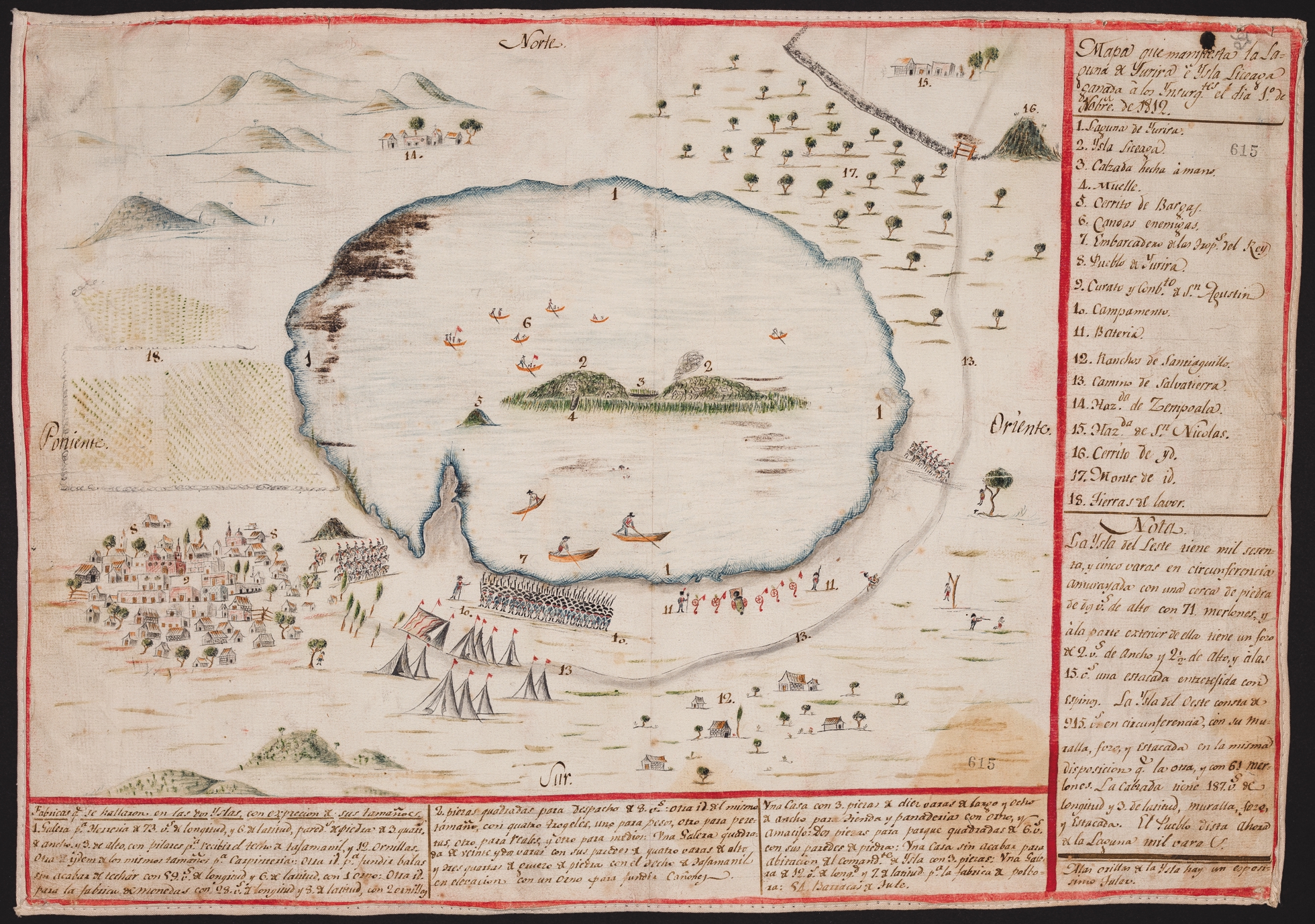
The history our students unearthed redefines “revolution” as a fundamental rupture in power, driven by resistance to British, Spanish, and Portuguese wealth extraction, with the Enlightenment serving as an intellectual accelerant across the continent. Yet a core tension remained: the very ideals declaring all men free were championed by elites who enslaved others and profited from Indigenous dispossession.
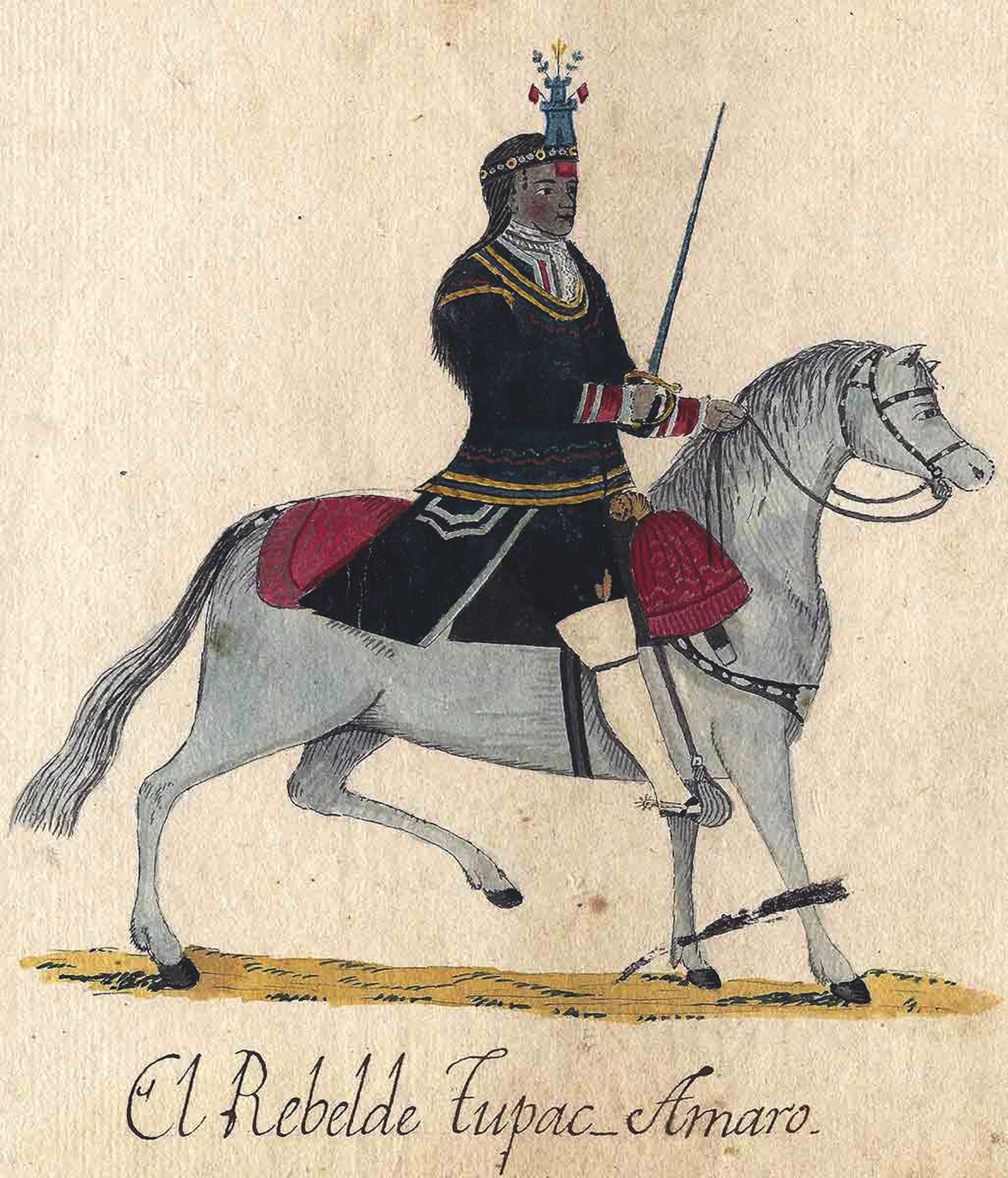
Long before 1776 or 1810, marginalized majorities planted the seeds of defiance against oppressive imperial tax reforms. Between 1730 and the 1780s, the Andean region alone witnessed 128 documented uprisings of Indigenous and Afro-descendant peoples, permanently destabilizing colonial rule. Mapping these cross-continental upheavals reveals a hemisphere ultimately split into two distinct historical paths:
• The Elite Path (1776): The U.S. experiment codified popular sovereignty but protected slavery in its 1787 Constitution, and accelerated Native dispossession, rendering the revolution a paradox of promise and betrayal.
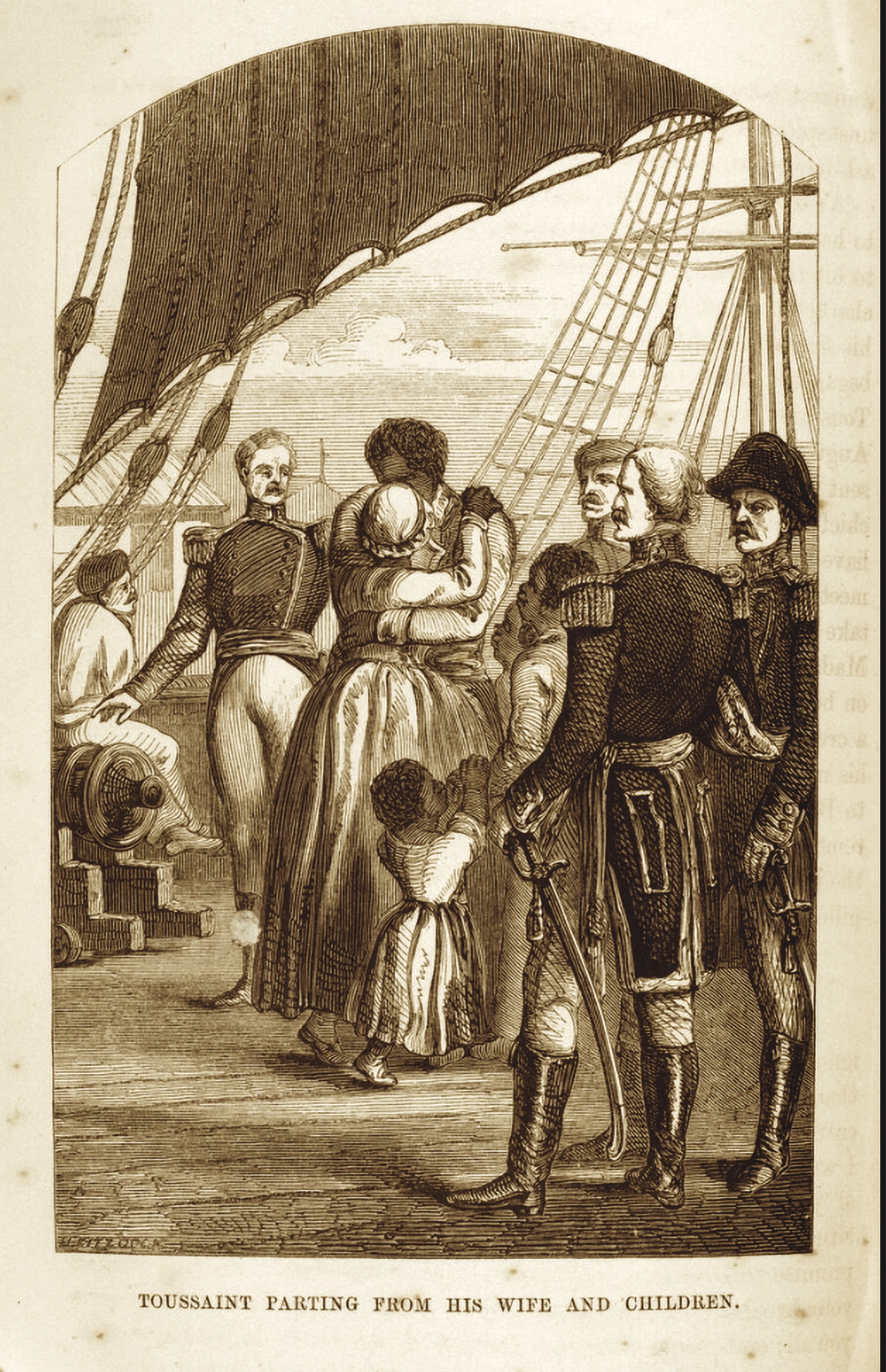
• The Radical Path (1791): The Haitian Revolution saw twenty thousand enslaved workers overthrow their oppressors. Achieving independence in 1804, Haiti became the first state founded by formerly enslaved people—a true paradigm shift that so terrified slaveholders across the Americas that it was intentionally quarantined from conventional Atlantic narratives for generations.
Underground Networks and Constitutional Limits
This revolutionary era relied on a sophisticated underground infrastructure. Transnational strategists like Francisco de Miranda and the radical friar Servando Teresa de Mier bypassed Inquisition censorship by using Freemason networks and clandestine tertulias (salons) to circulate forbidden literature and coordinate revolutionary strategy.
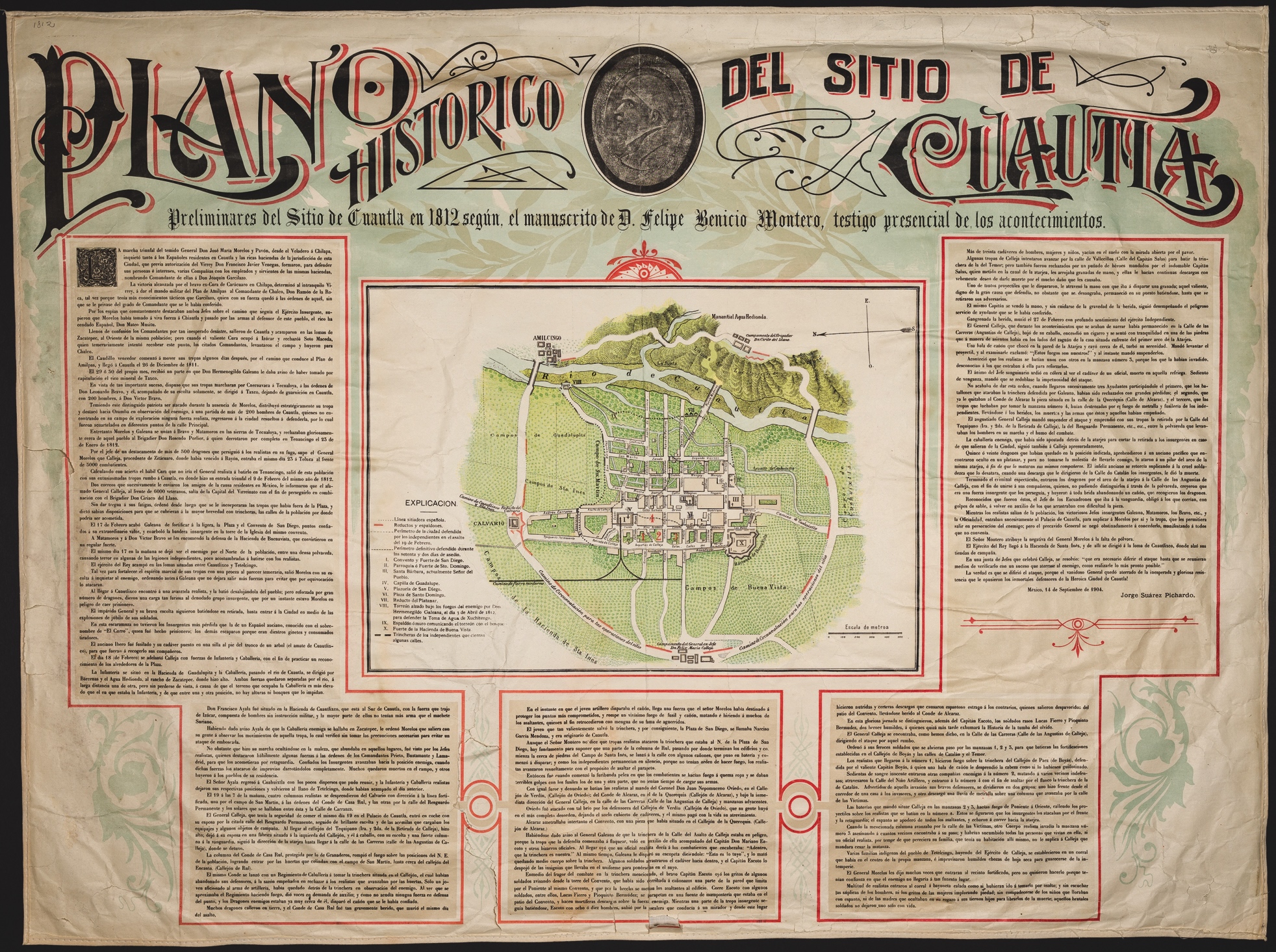
When Napoleon invaded the Iberian Peninsula in 1808, the resulting crisis of royal legitimacy exploded into a continental upheaval. Mass mobilizations followed, such as Miguel Hidalgo’s 1810 insurrection in Mexico. Crucially, these wars were not fought by elites alone. Women were central to wartime economies and anti-colonial protests, though they were ultimately excluded from the political life of the republics they actively helped build.
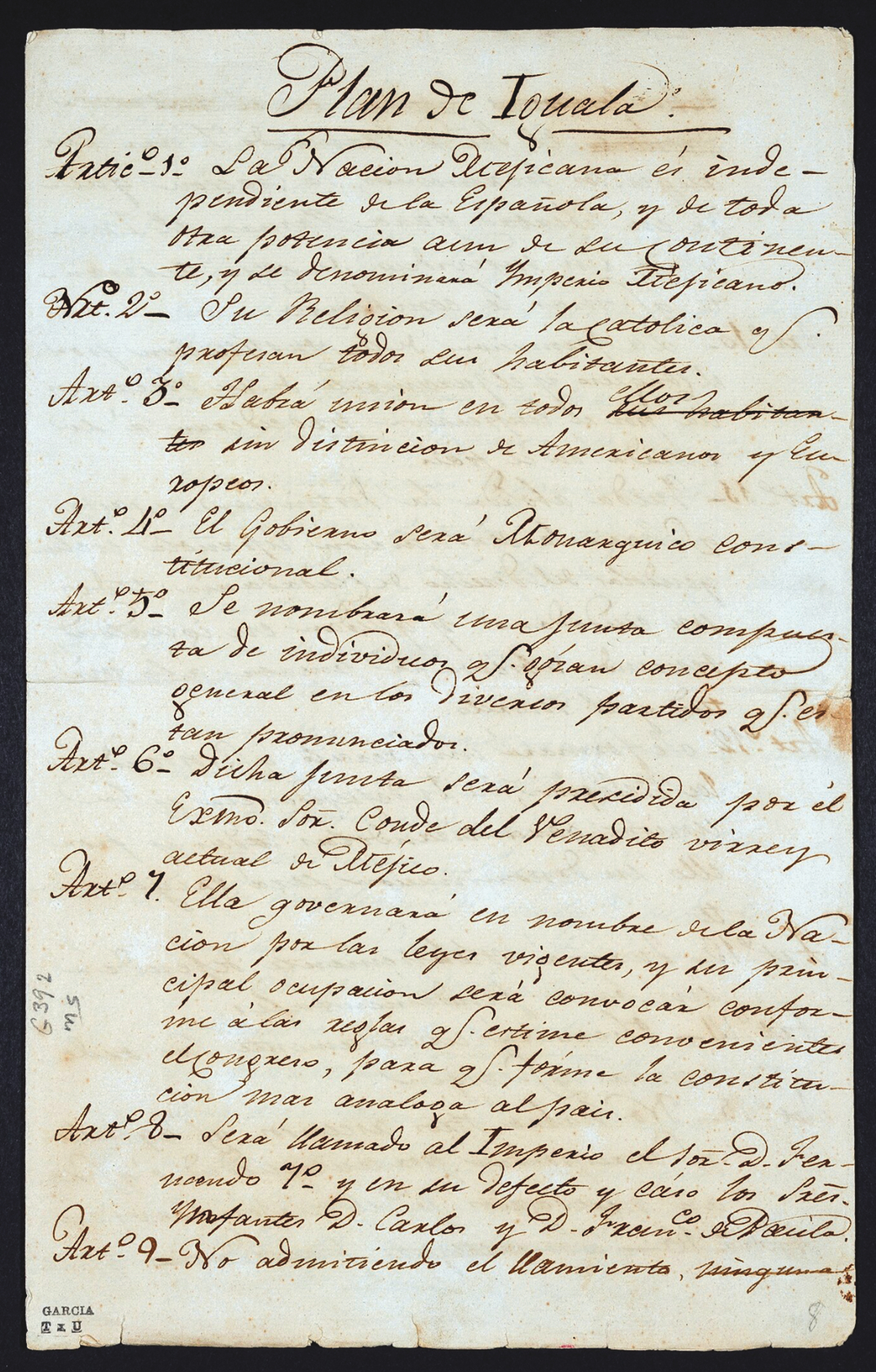
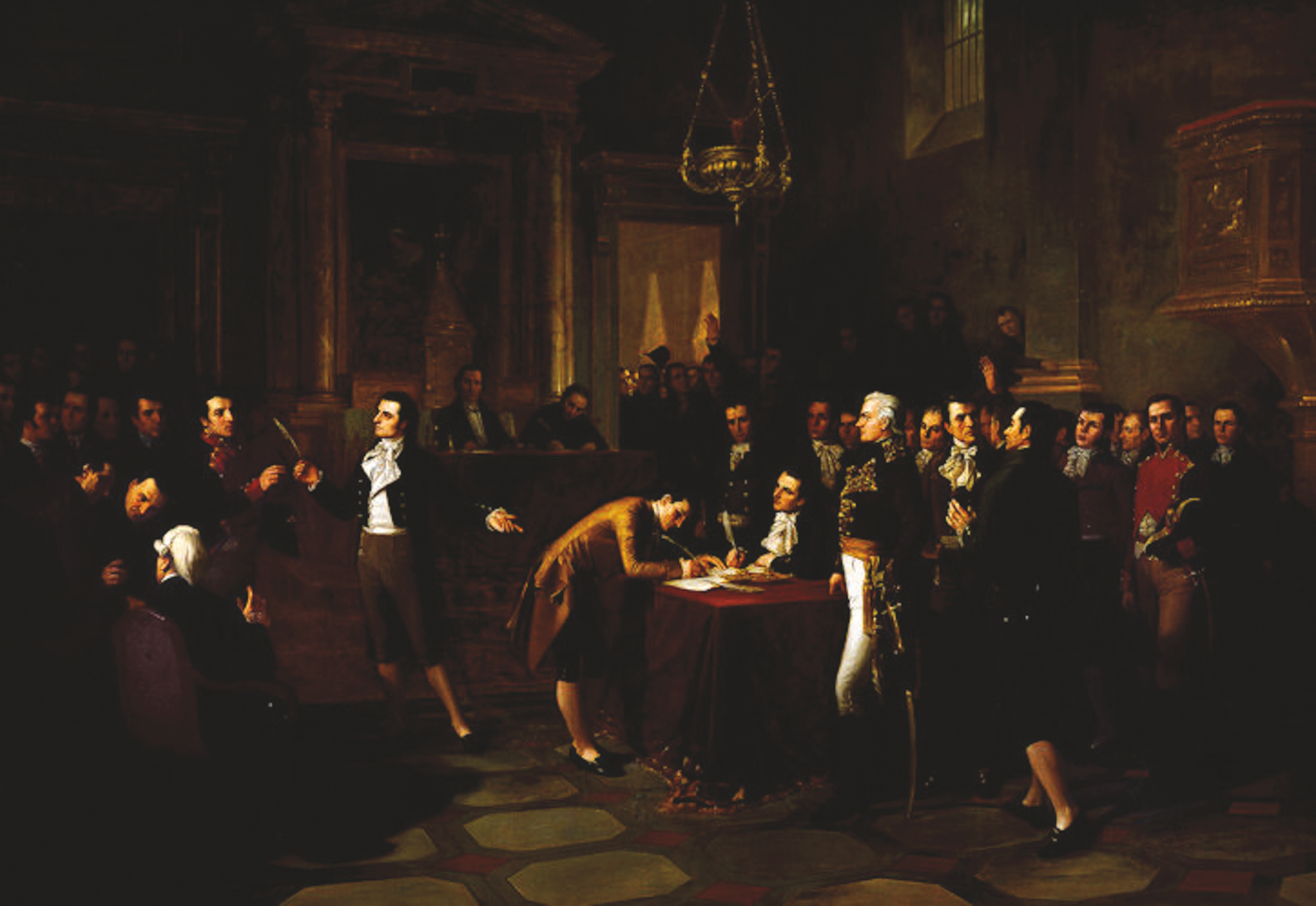
The wave of post-independence constitutional drafting represented an era of spectacular political creativity. Intellectuals like Juan Germán Roscio and Andrés Bello translated Enlightenment philosophy into new foundational laws—including Venezuela’s 1811 framework and Mexico’s 1824 abolition of slavery. Yet these constitutions were only as transformative as their execution. Restricted by property requirements, literacy tests, and racial exclusions, they preserved deep colonial hierarchies. By the 1830s, the radical promises of the independence era remained unfulfilled, leaving fragmented societies and power vacuums quickly filled by military caudillos.
A Layered Legacy
What Revolutions and Constitutions ultimately offers is not a simple, triumphant history but a layered one. The revolutions of the late eighteenth and early nineteenth centuries dismantled three massive European empires, produced visionary constitutions, and gifted millions of people a vocabulary of rights. Yet the revolutions also failed, repeatedly and consequentially, to deliver on those promises to the enslaved, the Indigenous, women, and the poor.
Understanding both the magnificent transformation and the devastating failures is the only honest way to mark this hemispheric anniversary. By inviting our students to co-produce this knowledge, the Benson models the very message of the exhibition itself: that history is a continuous, living dialogue built in community.
These urgent questions of community-sourced history extended to the LASA Paris 2026 Congress, where the Benson anchored its commitment to public engagement by sponsoring an interdisciplinary roundtable on public memory. By examining how archives can serve the vital purpose of assembling shared memory, the dialogue powerfully reinforced the idea that historical knowledge is collectively made by and for communities themselves, demonstrating the global impact of the Benson’s public humanities initiatives. ✹
Revolutions and Constitutions: Nation-Building in the Americas after 1776 is on view at the Benson Latin American Collection through December 19, 2026. The digital companion exhibit, Polarizing Uncertainty in the Atlantic World around 1776, can be accessed online.
Veronica Valarino is Exhibitions Curator and Designer at the Nettie Lee Benson Latin American Collection.