
By RAÚL L. MADRID
In September 2025, the Teresa Lozano Long Institute of Latin American Studies brought together scholars from around the world to examine trends in violence in Latin America. “The Evolution of Violence in Latin America” was organized under the auspices of the annual Lozano Long Conference by Raúl L. Madrid of the University of Texas at Austin, Luis Schenoni of University College London, and Paola Galano of the Universidad Carlos III. The conference introduced a rich new data set, the Latin American Revolts Database (LARD), that catalogues all forms of political violence in Latin America from independence to the present. Conference panelists presented papers that documented how the forms of violence in the region have changed over time and sought to explain why different types of violence have prevailed in certain periods. In his keynote speech for the event, Stathis Kalyvas of Oxford University presented an innovative typology of the many forms of violence.
VIOLENCE HAS RACKED LATIN AMERICA in recent decades. In 2023, the region had the world’s highest murder rate and contained 40 of the 50 most dangerous cities worldwide. Not all countries in the region have experienced high homicide rates, however, nor has violence remained constant in the region over time. Although criminal violence has soared in Latin America during recent decades, political violence has declined throughout the region. Coups and outsider revolts are now relatively rare, and politically motivated state repression has also decreased significantly.
What explains trends in violence in Latin America? Why have some types of violence increased, while others have waned in recent years? And why have some countries in the region traditionally had high levels of violence, whereas others have been relatively peaceful?
Violence across the Centuries: From Conquest to Coups
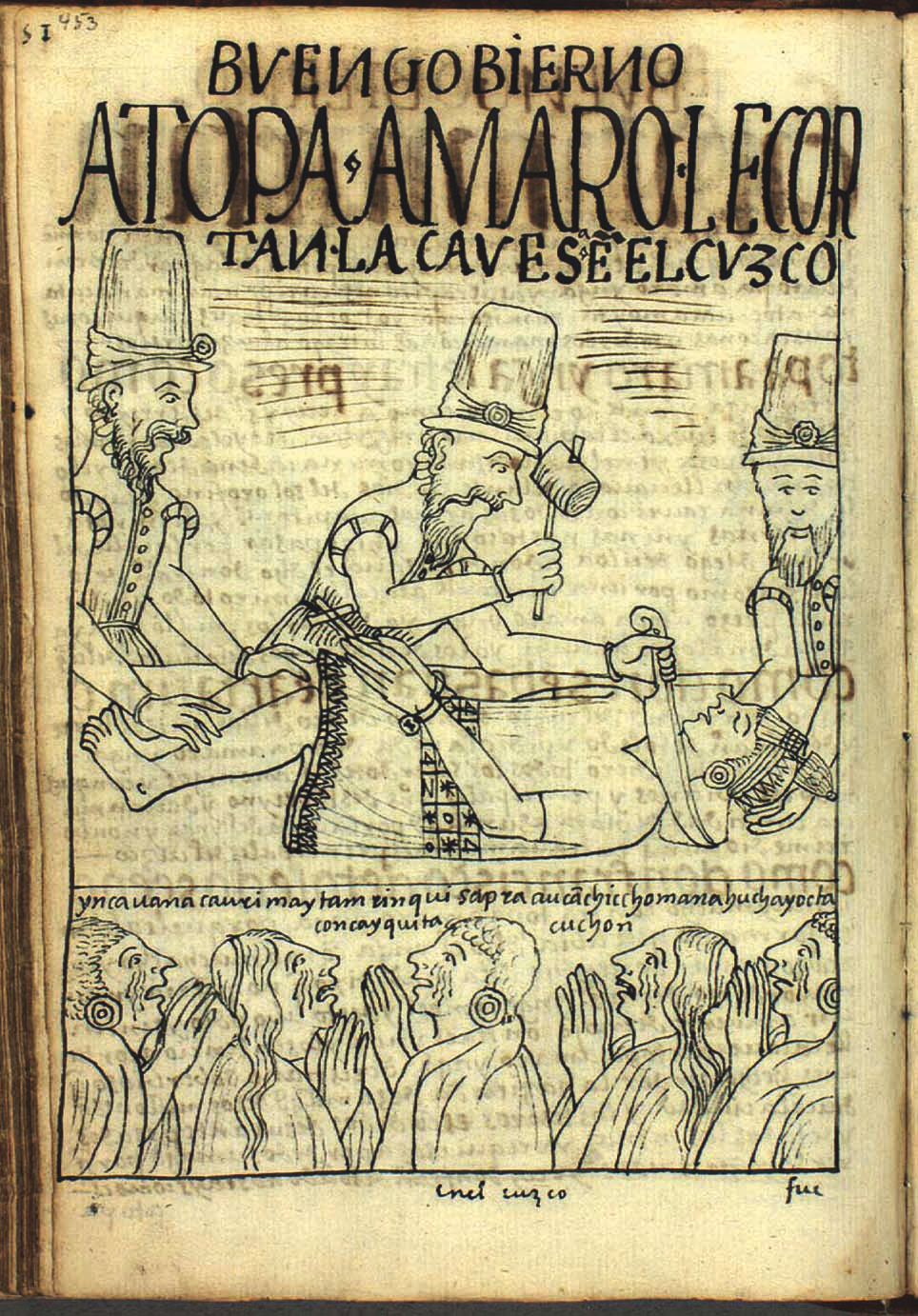
Violence in Latin America has a long history. The Spanish and Portuguese conquerors used violence to subjugate entire societies and decapitate their leaders. By the late sixteenth century, however, the conquest was largely complete and major rebellions against colonial rule were relatively rare for the next 200 years, a period known as the Pax Hispanica. Nevertheless, colonial rule was sustained by high levels of public and private violence, particularly against enslaved Africans and Indigenous people. Moreover, as Edgar Franco Vivanco showed in his conference paper, existing studies have tended to overlook smaller rebellions and those located in distant, Indigenous areas. Vivanco uses text analysis tools to identify rebellions in the Archivo General de la Nación in Mexico and estimates that approximately 200 Indigenous rebellions in colonial Mexico have been overlooked by the existing literature.
The late eighteenth century witnessed a dramatic upsurge in rebellions against colonial rule, culminating in the independence movements of the early nineteenth century. In Spanish America, the wars for independence lasted for several decades and cost hundreds of thousands of lives. As Natalia Sobrevilla documented in her paper, the violence did not come to an end in the wake of independence. Indeed, Latin America was plagued by war in the 1830s and 1840s as leaders battled for control of the new states and to define their territorial boundaries.
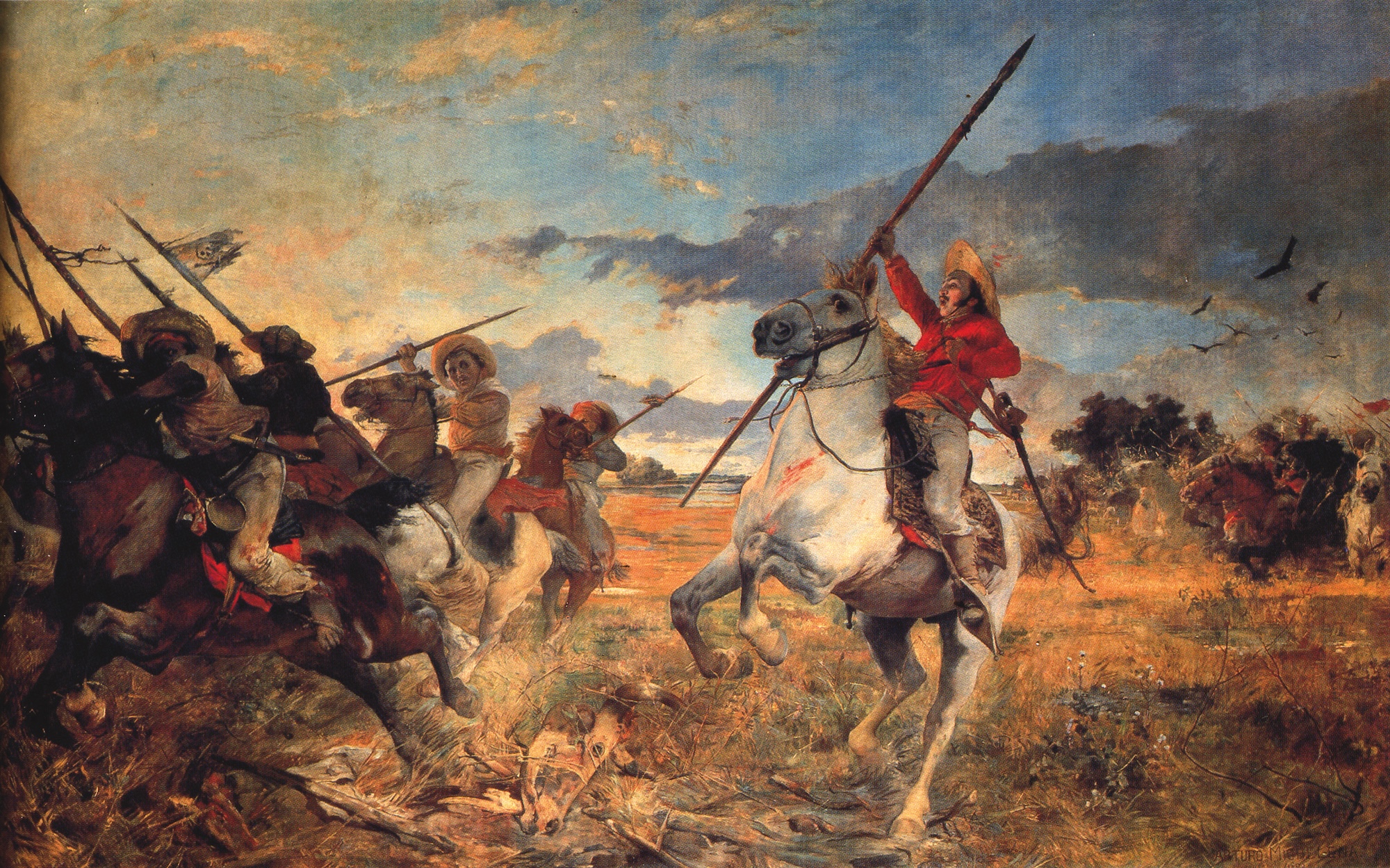
Several important types of violence plagued Latin America during the nineteenth century. The most common was the elite insurrection, which we define as revolts led by elites based outside of the national state apparatus, such as opposition leaders and regional caudillos, or local landowners or political bosses. As I discussed in my conference paper, there were 378 elite insurrections in Latin America between 1830 and 1899. Outsider elites carried out revolts to seize power, defend regional interests, and/or protest government policies. Many of these were successful: 60 of them overthrew the government during the nineteenth century and many others gained policy concessions or other objectives. During the twentieth century, however, elite insurrections gradually declined; by the 1970s, they had become relatively rare.
Another common form of political violence during the nineteenth century was the popular uprising, which we define as a revolt led by members of the popular sectors or by elites who prioritize the interests of the poor. These include Indigenous and slave uprisings, peasant and worker revolts, student rebellions, and left-wing guerrilla movements. Paola Galano Toro identified two main waves of popular uprisings in her paper. The first wave spanned from the nineteenth to the early twentieth century and consisted mainly of short-lived revolts by peasants, workers, and/or members of subordinated ethno-racial groups, such as Indigenous people or Afro-descendants. The second wave took place in the late twentieth century and included left-wing guerrilla uprisings that tended to be much longer lasting. By the end of the twentieth century, however, guerrilla movements had largely disappeared from the region and other types of violent popular uprisings had become relatively rare.
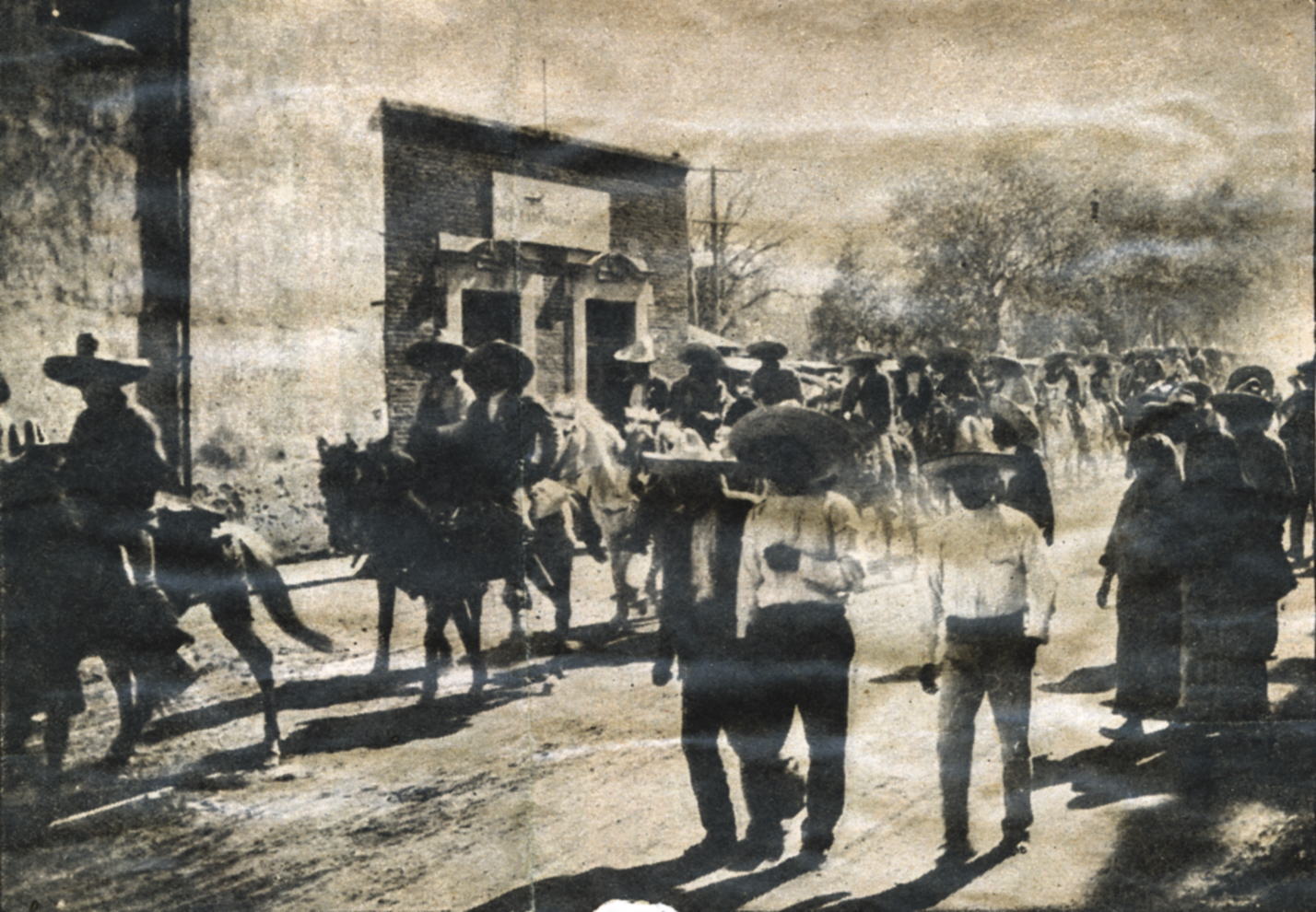
A third important form of political violence in nineteenth-century Latin America was the coup. Military coups were generally shorter lived and less violent than elite insurrections or popular uprisings, yet they were more likely to succeed in overthrowing governments. As Luis Schenoni argued in his paper, coups occurred with notable frequency throughout two centuries, surging in two distinct waves: the first immediately after independence in the 1830s—a period that had previously received little scholarly attention—and the second beginning in the 1930s. Overall, coups remained a relatively common instrument of political violence well into the late twentieth century, only becoming uncommon in recent decades.
State Repression and Criminal Violence
Politically motivated state repression has also declined in recent decades as the paper by James C. Franklin showed. Franklin divides state human rights abuses into two categories: those that target political activists and those that do not. Whereas the former has dropped in recent years, the latter has increased considerably. Apolitical state repression often targets people who are accused or suspected of crimes, but also disproportionately victimizes poor people and members of marginalized groups.As Camilo Nieto-Matiz argued, criminal violence in Latin America has also increased dramatically in recent decades. Homicide rates rose sharply during the 1980s and peaked in the 1990s. Although they have declined slightly in the last few years, they remain at quite elevated levels. Brazil, Colombia, Ecuador, Honduras, Mexico, and Venezuela have had the highest homicide rates in the region in recent years.
The Causes of Violence in Latin America
Violence as a whole has been driven by numerous factors, including economic, racial, and political grievances. High levels of poverty and inequality have motivated worker and peasant uprisings as well as guerrilla insurrections. Racial inequalities and discrimination have also at times led to popular uprisings, and violence was used to subjugate and enslave Indigenous and Afro-descendant people. Other grievances, including religious discrimination, opposition to taxation, as well as desires for regional autonomy, have likewise motivated revolts. Violence has also begotten more violence. State repression has led to popular uprisings and elite insurrections, which in turn have led to more state repression. Coups have provoked elite insurrections and popular uprisings, which have also precipitated coups.
None of the foregoing factors explains the dramatic shifts in the forms of violence that have taken place over time in the region. The conference participants instead highlighted two other explanations for trends in violence in the region. First, the expansion of state capacity, especially military capacity, has led to the decline of many types of revolts in the region. Latin American countries had weak militaries in the wake of independence. For most of the nineteenth century, the region’s armies were small and poorly equipped, and troops and officers lacked proper training. Moreover, transportation infrastructure was quite primitive, which prevented troops from easily accessing remote parts of the country. The low coercive capacity of the state encouraged revolts, which the military had a difficult time suppressing. Many of the revolts succeeded in overthrowing the government, which encouraged further rebellions.
In the twentieth century, Latin American countries took steps to strengthen and professionalize their militaries, using funds that derived from the regionwide boom in exports. They expanded the size of their armies and imported massive amounts of sophisticated weaponry. They hired French or German missions to establish new military schools and overhaul the training of their officers. They also began to base officer promotions on military expertise rather than on personal and political connections. At the same time, they gradually improved their transportation infrastructure.

The strengthening and professionalization of the region’s militaries and the gradual improvements in infrastructure enhanced the coercive capacity of the state and led to a sharp decline in outsider revolts during the twentieth century, including both elite insurrections and popular uprisings. Professional militaries could quickly and easily suppress most outsider revolts, which discouraged would-be rebels from undertaking them. Popular uprisings experienced a temporary upsurge in the 1960s because of the development of new guerrilla strategies that had proved effective in the Cuban revolution. Although professional militaries had a more difficult time suppressing guerrilla movements than other types of popular uprisings, even these movements had little chance of defeating modern militaries, which helped lead to their eventual demise as well. The strengthening and professionalization of the military did not bring an end to military coups, however. On the contrary, military coups increased during the mid-twentieth century, as opposition leaders in Latin America increasingly encouraged the military to intervene in politics since they could no longer overthrow governments on their own.
The second crucial factor that has shaped trends in violence in Latin America is the level of democracy in the region. Authoritarian behavior, such as state repression and electoral manipulation, often motivated rebellions. Many Latin Americans also rebelled because they lacked alternative means of changing their governments or influencing state policies. Indeed, the opposition was far more likely to come to power via armed revolts in the nineteenth century than through elections. The gradual democratization of the region in the twentieth century, however, reduced electoral manipulation and other forms of authoritarian behavior and provided the opposition with alternative means of gaining power or changing state policies. Thus, opposition leaders had fewer incentives to carry out revolts or to encourage the military to intervene on their behalf. As a result, the number of outsider revolts and military coups declined with democratization. This was particularly noticeable with the Third Wave of Democratization, which had encompassed virtually the entire region by the 1990s.
The Third Wave of Democratization also helped bring about a decline in politically motivated state repression. In the 1980s and 1990s, the military regimes, which had been responsible for the vast majority of politically motivated human rights abuses in the region, left power. They were replaced by democratic governments, which were more inclined to respect the civil and human rights of their citizens. Democratization also created more venues for Latin American citizens to challenge human rights abuses, such as through the courts and social protests.
Neither democratization nor military professionalization reduced violent crime, however. On the contrary, the Third Wave of Democratization coincided with an upsurge in criminal violence. Military governments in the region had suppressed crime through harsh policies that included arbitrary arrests, torture, killings, curfews, and states of siege. When democratic governments took power, they eliminated or softened many of these authoritarian policies, which contributed to the upsurge in crime. In some countries, former members of the security apparatus of authoritarian regimes became involved in criminal gangs after democratization. Rising crime rates, in turn, led to growing state repression as the police increasingly resorted to violent tactics, including beatings, torture, and extrajudicial killings, in their fight against crime.
Nevertheless, other factors may well have played a more important role than democratization in the upsurge of violent crime that began in the 1980s. These factors include the debt crisis, the rise of poverty, inequality, and unemployment, the expansion of drug trafficking, the flow of firearms to Latin America, the spread of criminal gangs, ineffective state policies aimed at combating crime, and the relative youth of the region’s population.
It is tempting to view violence as an endemic problem in Latin America, given the high homicide rates that currently plague the region. As the conference made clear, however, murder rates vary widely. Moreover, there have been major shifts over time in the extent of violence in Latin America and the forms that it has taken. The growth of state capacity and democratization have helped dramatically reduce political violence in recent decades; in the long run, they may also bring down criminal violence. Further professionalization of the police and security forces, however, is necessary to make this happen because the continued existence of inefficiency, corruption, and criminality within these forces has fueled crime. The deepening of democracy in the region, meanwhile, should reduce the incentives for people to engage in criminal violence by facilitating the political, social, and economic incorporation of those groups most apt to become involved in crime. Democracy and state development are no panacea, but they represent the most promising long-term solution to the violence that ails the region. ✹
Raúl L. Madrid holds the Harold C. and Alice T. Nowlin Regents Professorship in Liberal Arts in the UT Department of Government. He is author, most recently, of The Birth of Democracy in South America (Cambridge, 2025).