
By JAMES IFFLAND
The Benson Collection is proud to announce the acquisition of the Roque Dalton Papers, bringing the legacy of one of world’s great poets to UT Austin. The Salvadoran’s archive consists of typescripts and manuscripts, as well as a small sampling of diaries and handwritten poetry. It is also rich in correspondence, particularly with family members, and contains a small number of audio recordings, photos, and scrapbooks. The Dalton collection is an important addition to the Benson’s twentieth-century Central American literary and political holdings, which include the archives of Nobel Laureate Miguel Ángel de Asturias, Ernesto Cardenal, Pablo Antonio Cuadra, Gioconda Belli, and more. We are grateful to the Dalton family for trusting the Benson to preserve and make accessible this remarkable collection.
—Melissa Guy, Director, Nettie Lee Benson Latin American Collection
ROQUE ANTONIO DALTON GARCÍA was born in San Salvador, capital of El Salvador, on May 14, 1935. His father, Winnall Dalton (1894–1962), was a well-to-do American businessman originally from Arizona who had ended up in El Salvador after a somewhat checkered career that apparently included smuggling guns to Pancho Villa during the Mexican Revolution. Dalton’s mother, María García Medrano (1909–2001), was a Salvadoran nurse of humble origins.
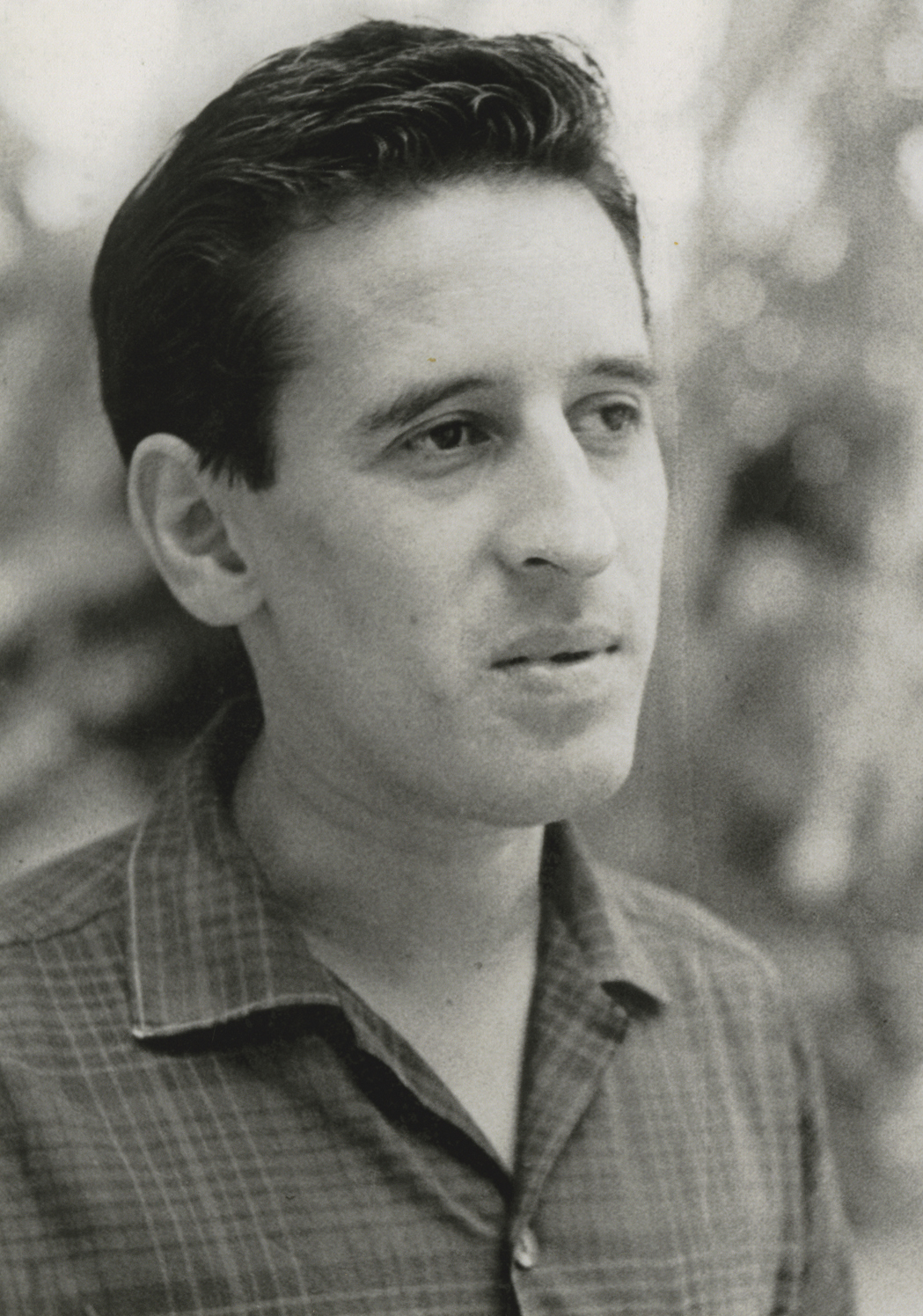
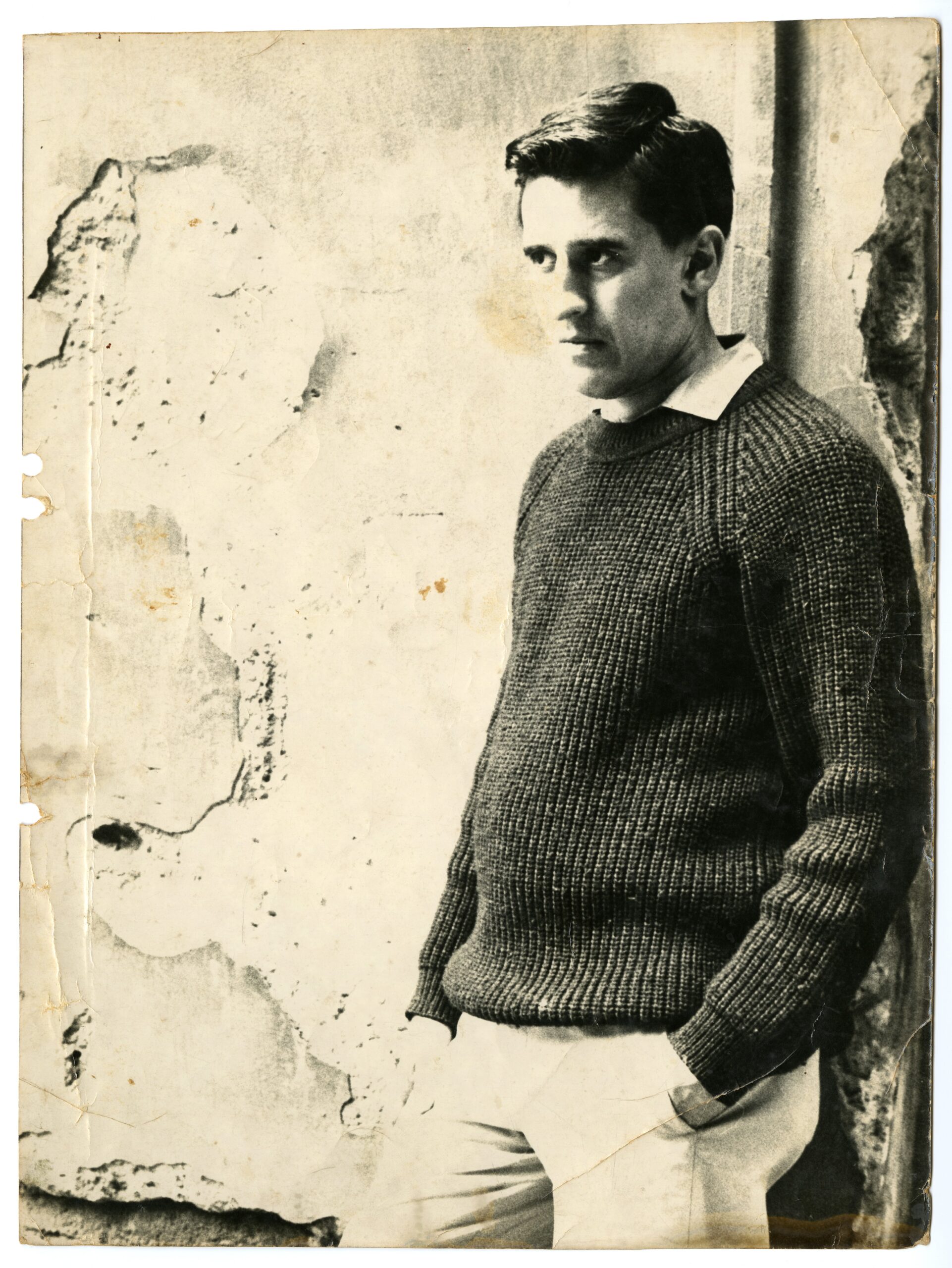
Born out of wedlock, Dalton was eventually recognized by his father, though he grew up alone with his mother in modest circumstances. He did go on to study, however, at the exclusive Jesuit-run prep school in San Salvador, the Externado de San José, where he rubbed shoulders (sometimes contentiously) with the offspring of the Salvadoran economic elite. That Jesuit education turned Roque into a fervent Catholic, one who carried his religious faith with him when he was sent off by his father to study law at the Pontificia Universidad Católica in Santiago de Chile. He ended up going to the Universidad de Chile, where he began to have his first real contacts with leftist thought. The beginning of his engagement with Marxism per se came about in large part because of a tongue-lashing administered by the great Mexican painter Diego Rivera—a committed communist—in an interview Dalton was conducting for a student newspaper.
After only a year of study in Chile, Dalton enrolled in the law school of the Universidad de El Salvador, where he became increasingly politicized. He traveled to a youth festival in the Soviet Union in 1957 where met, among others, future Nobel Prize winner in literature Miguel Ángel Asturias; Nazim Hikmet, the great communist poet of Turkey; and Argentinian poet Juan Gelman. Roque subsequently began to affiliate himself with the Partido Comunista Salvadoreño (PCS), which was just beginning to reemerge after La Matanza, the terrible massacre of 1932 in which some 30,000 Salvadoran peasants and workers were killed in less than a month and a half after they rose up in a protest of electoral fraud.
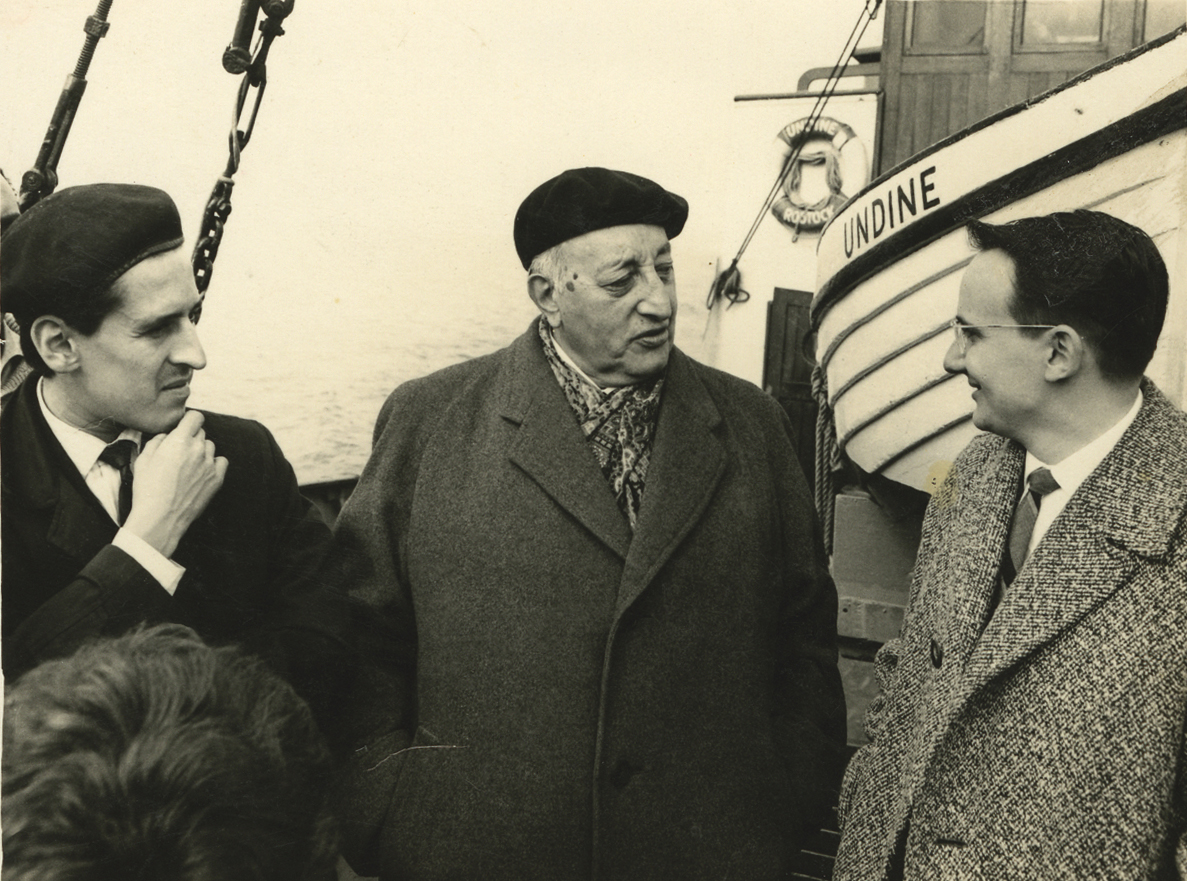
Dalton’s increasing political engagement during the early and mid-sixties landed him in prison on several occasions, sometimes with near-mortal consequences. In one case, he was scheduled to be executed and was saved only at the last minute when the military dictator who had ordered the execution was overthrown.1 In another, after being interrogated and threatened with death by a CIA officer intent on recruiting him as an informer, Dalton escaped from his cell by taking advantage of damage done to it by an earthquake. By then a full-fledged member of the PCS, he became enthusiastic about the prospect of revolutionary change in his country, particularly after witnessing the triumph of the Cuban Revolution. This political engagement led to periods of exile in Mexico, Cuba (twice), and Czechoslovakia.
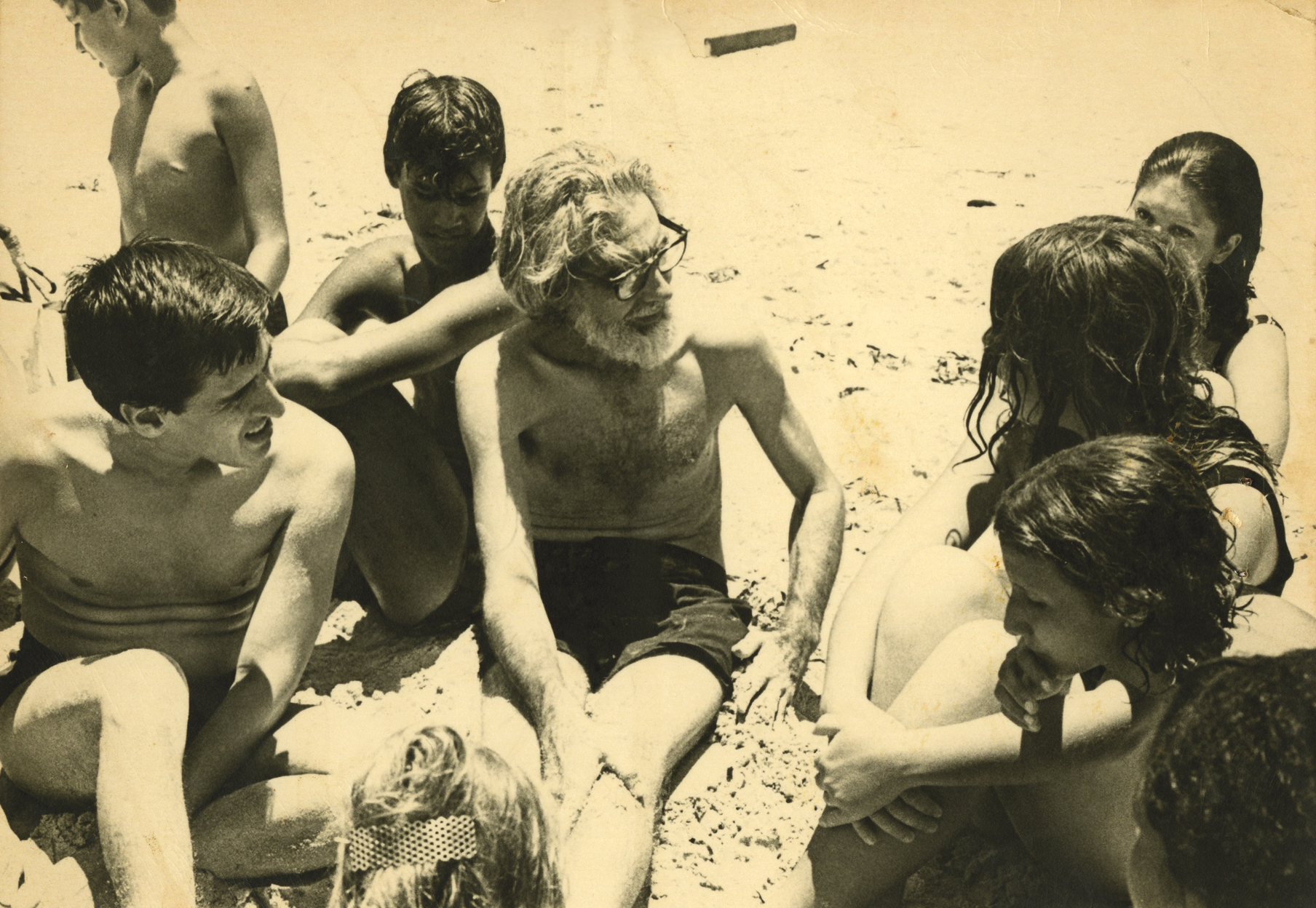
During these tumultuous times, Roque became the father of three sons with his wife, Aída Cañas Morales (1933–). He also slowly but surely consolidated his reputation as a brilliant up-and-coming writer whose talents were recognized by a wide gamut of literary luminaries, ranging from Julio Cortázar to Claribel Alegría, from Ernesto Cardenal and Mario Benedetti to Margaret Randall. In his second Cuban exile (1968–1973), Dalton became an active collaborator with Casa de las Américas, the country’s premier cultural institution. There, he was responsible for the emergence of key figures of the nueva trova musical movement, including Silvio Rodríguez and Pablo Milanés. Among the recognitions he received was the prestigious poetry prize of the Casa de las Américas (1969).
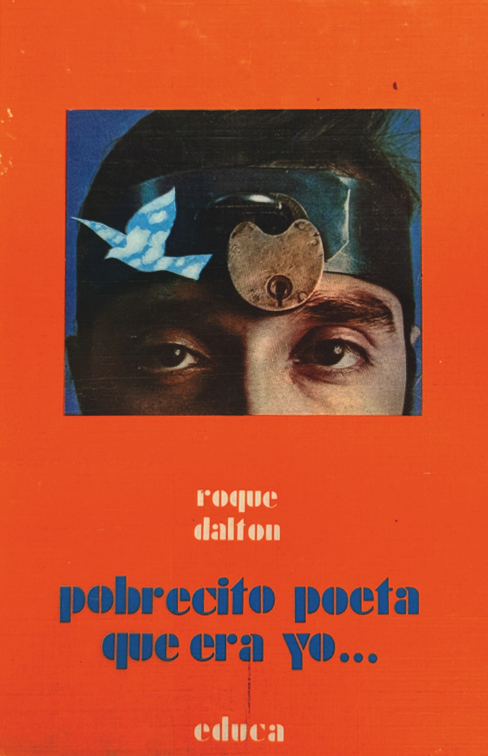
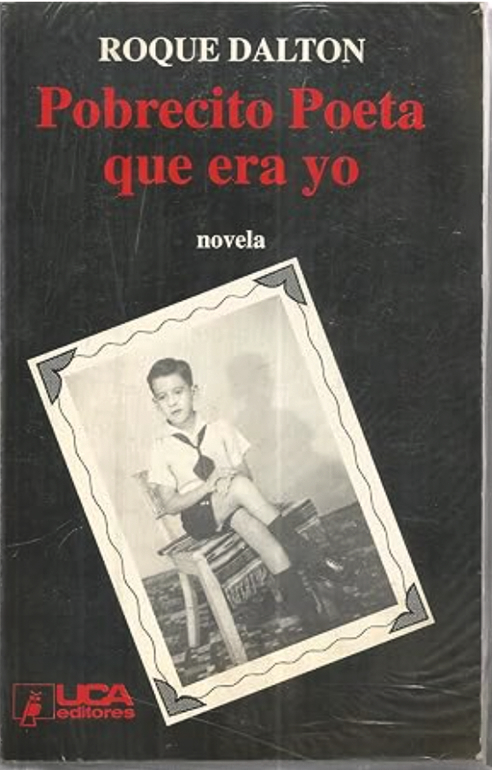
Indeed, it was as a poet that Dalton garnered much of his growing fame. His many influences include César Vallejo (on whom he wrote a substantial essay), Pablo Neruda, Vladimir Mayakovsky, Bertolt Brecht, André Breton, Allen Ginsberg, and Ernesto Cardenal. Over time he also became known for his contributions in other genres. He began publishing sections of his semi-autobiographical Boom-inflected novel, Pobrecito poeta que era yo (published posthumously in 1976), and was instrumental in launching the whole genre of Latin American testimonio with his monumental Miguel Mármol: Los sucesos de 1932 en El Salvador (1972), the first-person narrative of the legendary Salvadoran labor activist and founding member of the PCS, based on material gathered by Dalton during his exile in Prague.
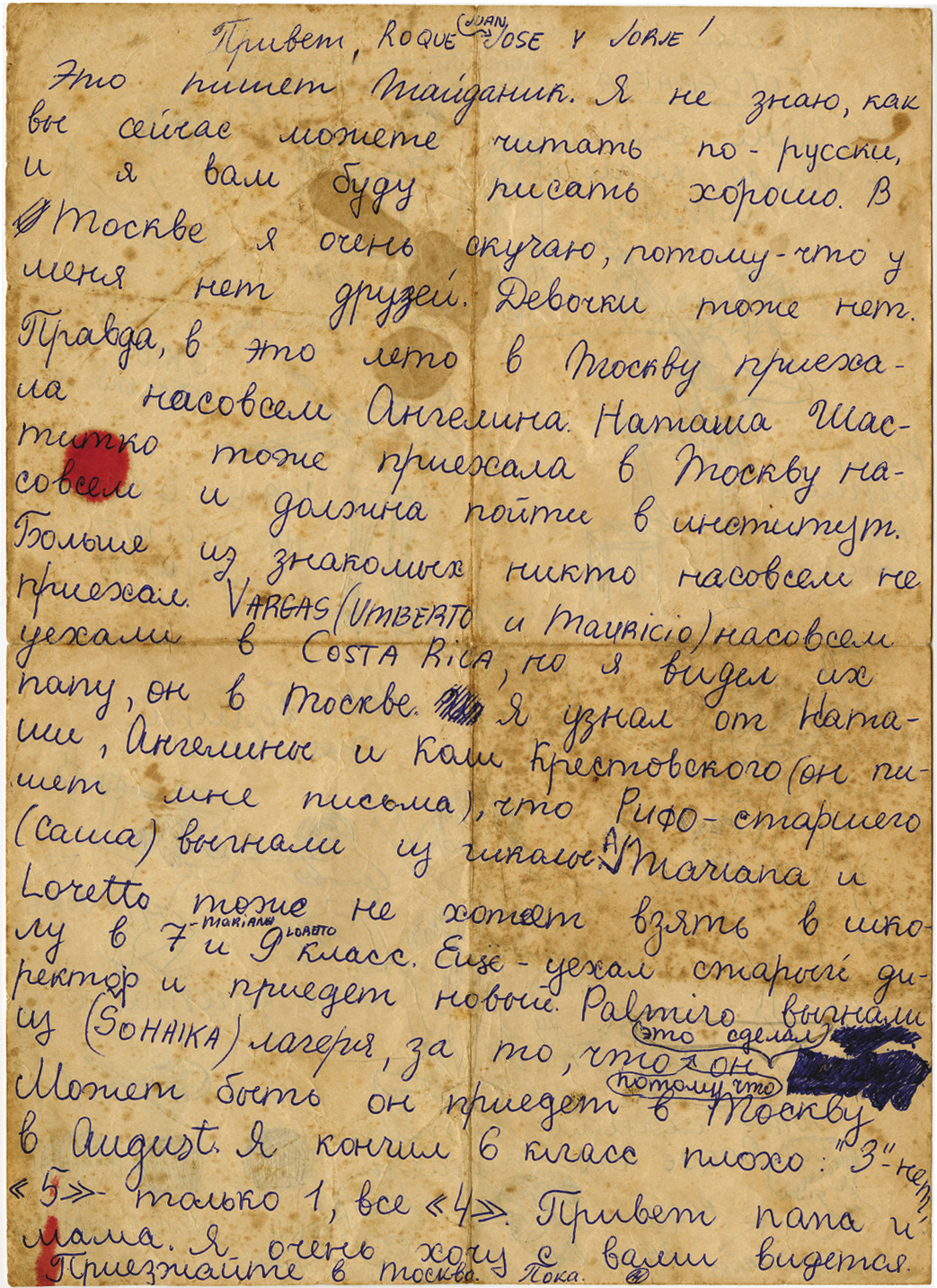
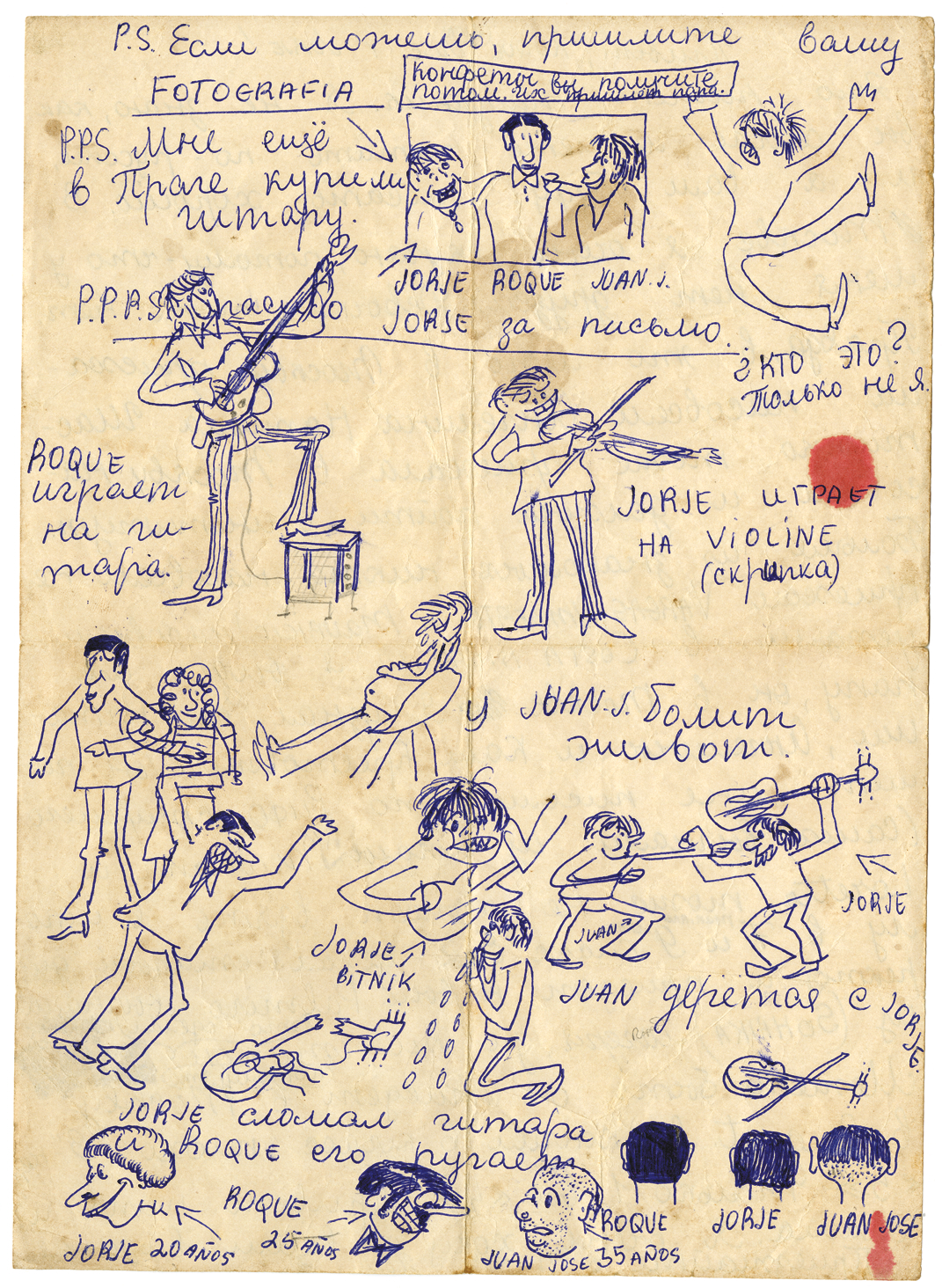
Roque also participated actively in the theater scene in Cuba, putting together political stage shows spiced by music and dance. At the same time, he was writing historical and political texts centering on the evolution of his native El Salvador and laying out possible paths for the country’s transformation into a more just society. Having witnessed a succession of military coups and fraudulent elections, Dalton arrived at the conclusion that the only way to bring about change was through armed revolutionary struggle.
Here, we must see our author against the backdrop of the enormous political effervescence of Latin America in the late sixties and early seventies, energized on the one hand by the success of the Cuban Revolution as well as other anti-imperialist struggles (including Vietnam), and on the other, sobered by the death of Che Guevara in the mountains of Bolivia in 1967.
The latter event, plus similarly significant reversals in other parts of Latin America, had dampened the fervor for armed revolutionary struggle among many left-oriented parties, several of which began to push more toward activity within the electoral arena when possible (Allende’s election in Chile in 1970 served as an example). Facing the completely dismal situation in Central America, Dalton thought that participation in electoral politics on the part of the left was completely delusional. He became very critical toward the stance of the PCS, which was hoping to operate within the slightly larger electoral space that opened in El Salvador in the late sixties. Roque was a great admirer of the theoretical work of Régis Debray, with whom he had become close friends after their encounter in Prague in the mid-sixties. In 1970, he published a book-length defense of Debray’s classic Revolution in the Revolution? (1967) after it came under attack from many on the Latin American left for advocating what they considered ill-advised “adventurism.”
Roque was not just content to theorize about armed struggle. During the early seventies he looked for ways of linking up with nascent armed movements in Central America. In El Salvador there had been a split within the PCS, with one side firm in its willingness to participate in the electoral process and the other deciding to launch armed struggle. Having already quit the party in the late sixties, Dalton eventually linked up with the Ejército Revolucionario del Pueblo (ERP), a guerrilla organization in the process of forming. After undergoing military training, he secretly reentered his homeland toward the end of 1973 and began to work primarily on texts centering on strategy and tactics for the ERP.
Here we encounter the set of circumstances that led to Dalton’s murder in the spring of 1975. Dalton was fully in favor of armed struggle, but only as one part of an overall political approach that also involved mobilizing workers, peasants, university students, and progressive elements within the middle and professional classes. Another wing of the ERP opted for a completely militaristic approach. It was headed by Alejandro Rivas Mira (1940–?) and a young firebrand by the name of Joaquín Villalobos (1951–). Along with their allies, these two became ever more irritated with Dalton’s stance on strategy. They were also upset by his decision to keep writing and circulating poetry, albeit under a series of pseudonyms. They believed that people would realize that this poetry (published posthumously under the title Poemas clandestinos) was by Dalton and that he was, indeed, back in El Salvador, something that was supposed to be kept top secret. They also feared that he would manage to take over the organization thanks to his considerable political brilliance and personal charisma.
This increasing tension led to the decision to “arrest” Dalton along with another ERP comrade and to “try” them. The first accusation leveled was the classic one: Roque was a CIA operative. This accusation subsequently morphed into a different one: he was in fact a Cuban agent whose purpose was to bring the ERP under the control of Cuba’s intelligence service (a move the aforementioned faction rejected). There was also much ire directed at him simply for being a “petty bourgeois intellectual,” an unpardonable flaw for many sectors of the left at the time.
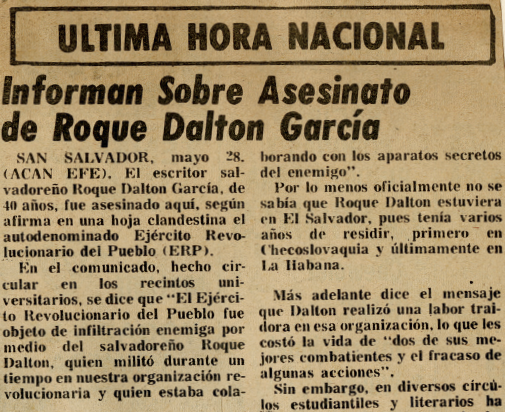
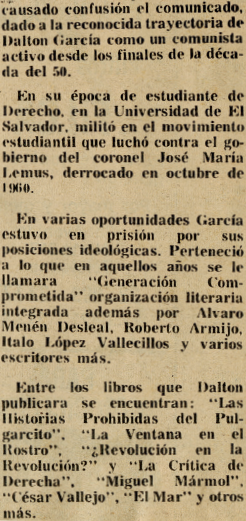
Following a two-week period in which our author was mocked, physically abused, and tried by the “revolutionary court,” he was shot in the head on Mother’s Day, May 10, just a few days shy of his fortieth birthday. The ERP issued a communiqué announcing Dalton’s “execution.” Roughly a month later, it issued another one admitting, albeit begrudgingly, that it had made a mistake in executing Dalton. To this day, his remains have yet to be recovered. Villalobos went on to become a highly successful military commander during the Salvadoran Civil War, which started in 1980; he was eventually instrumental in the signing of the peace treaty that ended it in 1992.
As one would guess, all of this is wonderful raw material for a scintillating biography in which Dalton comes off as a species of Central American Dylan Thomas turned revolutionary who, still a hard drinker, cracks jokes just before his murder. (Roque’s sense of humor was legendary, along, yes, with his affection for alcohol.) Why read what he wrote if his life itself is so much more colorful and entertaining than fiction? Indeed, one of the more interesting phenomena has been the tendency to use Dalton as a character in literary works inspired by his life. (Julio Cortázar, for example, evokes Dalton’s death in the short story “Apocalipsis de Solentiname.”)
This entire “larger than life” aspect of Dalton’s story has also turned him steadily into a kind of pop icon in post-revolutionary Central America. Whereas during the war years Roque and his poetry were used to mobilize those committed to the revolutionary cause, his inveterate rebelliousness and air of poète maudit have made him fodder for T-shirt cultdom for a generation of young people who no longer believe in Revolution with a capital “r” but look for countercultural “rebellion at the margins.”
For someone who has studied and taught Dalton for many years, this state of affairs is a source of considerable vexation. Whenever I tell someone that I have written a book about Dalton2 almost invariably the first thing that comes out of their mouth is: “So who exactly killed him?” Rather than bothering to read his work, people are often fixated on the ongoing Whodunit. When scholars and critics do turn their attention to what he wrote, there has been a tendency since the early nineties to scour his work of the many traces of his political convictions and to focus on the “art itself”—on his enormous abilities as a writer which were able to manifest themselves “despite” those convictions. These efforts become even more energetic when it comes to ridding Dalton of any evidence of his commitment specifically to armed struggle. He tends to get cast as a “romantic” who really didn’t know what he was getting himself into when he joined the armed struggle in his native country—in sum, the classic case of the good-hearted, dreamy intellectual who throws in his lot with the “wrong crowd.” This leads, in turn, to the highlighting of his poetry or prose that doesn’t deal with politics at all (of which there is plenty) and to the tendency to efface almost entirely his political writing and revolutionary theorizing.
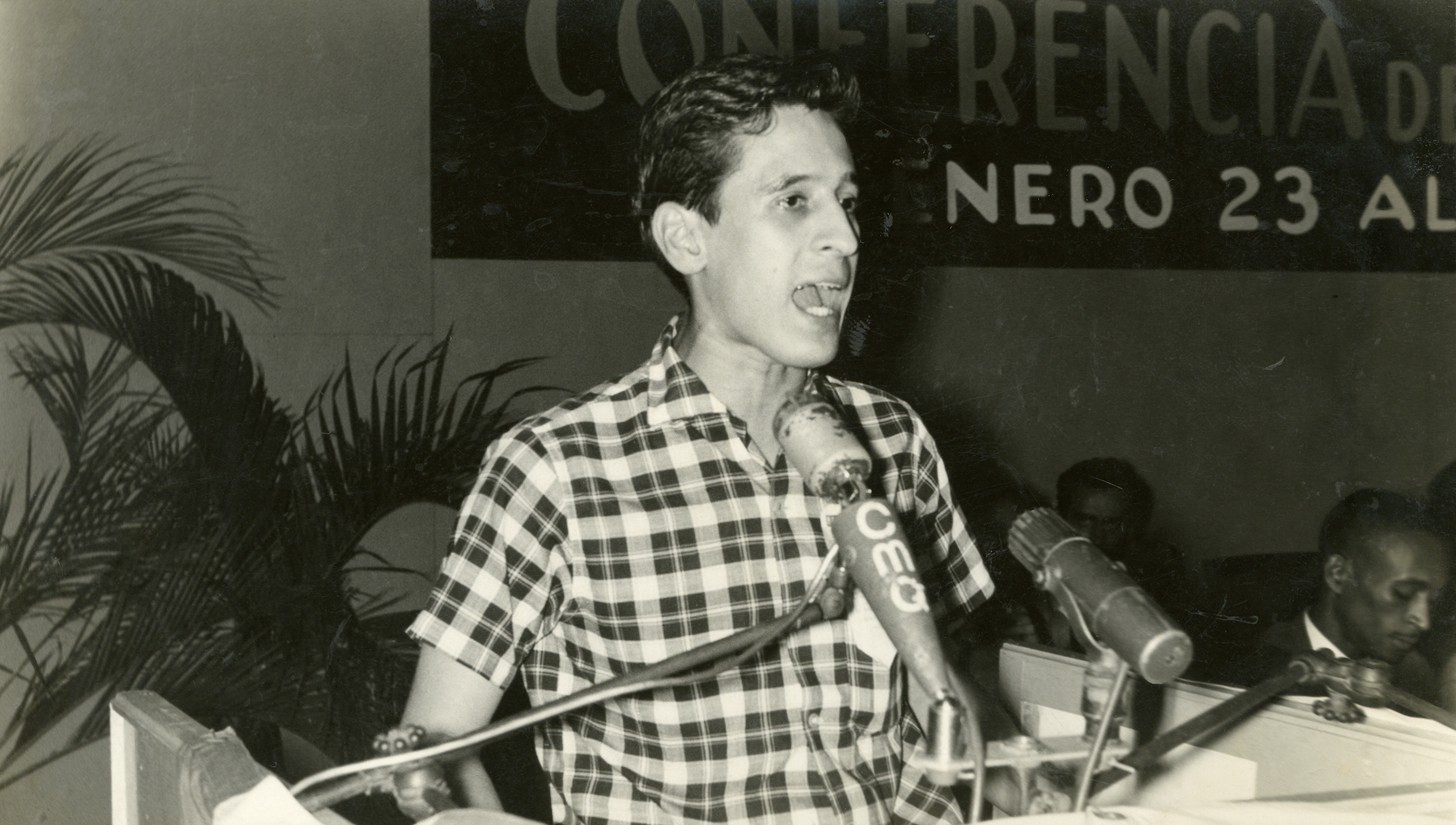
Here we must return to the statement I make earlier. Engagement with revolutionary causes on the part of writers, including great ones, is not without precedent. Looking solely at Latin America, Vallejo, Neruda, and Cardenal come to mind immediately, as do the many poetas guerrilleros memorialized in Mario Benedetti’s classic anthology Poesía trunca (1977): Leonel Rugama, Javier Heraud, Otto René Castillo, and others. None, however, fits the precise profile we find in the life and works of Roque Dalton. If one reads the entirety of his oeuvre—which scholars and critics have usually failed to do, not to mention the general public—one is hard-pressed not to agree with something I have said in many contexts, including the aforementioned two-volume study: rather than labeling Dalton as a writer who was also a revolutionary, we should recognize in him a revolutionary who was also a writer. In other words, despite his unwavering commitment to his verbal art, which has given us some of the best poetry in the Spanish language, Roque’s true center of gravity resided in his desire for revolutionary change.
To that end, along with his literary work, he not only theorized deeply about how to bring about such change but also produced very granular, “nuts-and-bolts” texts on guerrilla warfare and how to engage in it successfully in Latin America and beyond. As part of his engagement with both poetic expression and armed revolutionary struggle, he wrote a work which, in my opinion, is unparalleled in the history of literature—Un libro rojo para Lenin, a 200-page collage poem that embodies an entire treatise on how to apply the revolutionary model developed by Vladimir Lenin to the specific conditions of Latin America.
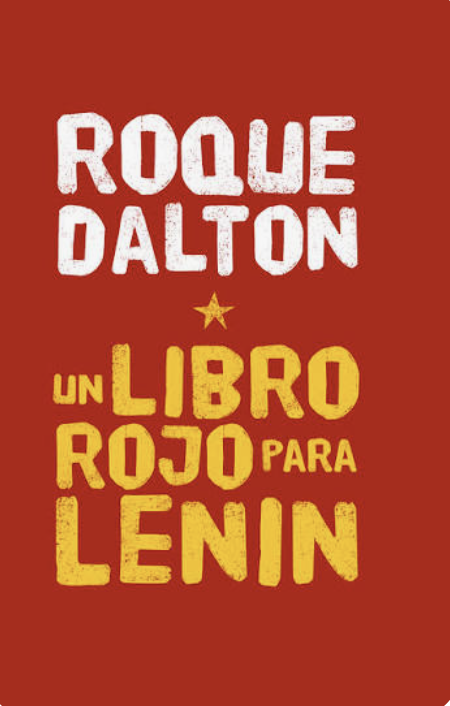
Using the technique of collage, it combines texts not only from the father of the Bolshevik Revolution but from other key revolutionary thinkers such as Mao Zedong, Ho Chi Minh, and Che Guevara. It also includes poems by Dalton (many autobiographical), Mayakovsky, and Chilean poet Vicente Huidobro, as well as imaginary dialogues between “the poet” and a series of “readers.” Despite what readers might feel about the ideological vector of Un libro rojo para Lenin, it is difficult not to admire it as a tour de force that defies classification.
The Benson Collection’s acquisition of the Roque Dalton archive further strengthens its status as perhaps the most important resource for the study of Latin American culture in the United States, if not the entire world. It fills a lacuna for the growing number of critics and scholars whose research centers on a literary figure unlike any other. We cannot know what would have come next for our author and revolutionary had he not been silenced in his prime. His written works still hold untold opportunities for discovery. The Benson deserves considerable applause for making available this valuable archive for those trying to come to terms with the richly complex legacy of Roque Dalton. ✹
James Iffland is emeritus professor of Spanish and Latin American Studies at Boston University and former director of its Center for Latin American Studies. He is the author of the two-volume work Para llegar a Roque Dalton (2021, 2023).
Notes
1. Colonel José María Lemus was president of El Salvador from September 14, 1956, until October 26, 1960, when he was overthrown in a military coup.
2. James Iffland, Para llegar a Roque Dalton: pequeños infiernos y otros paraísos (estudio político-poético), 2 vols., 2nd ed. (Chapel Hill, NC: Editorial A Contracorriente, 2023) (distributed by the University of North Carolina Press).