New paper on the metabolic diversity of Thorarchaeota
Comparative genomic inference suggests mixotrophic lifestyle for Thorarchaeota
Thorarchaeota are a new archaeal phylum within the Asgard superphylum, whose ancestors have been proposed to play possible ecological roles in cellular evolution. However, little is known about the lifestyles of these uncultured archaea.
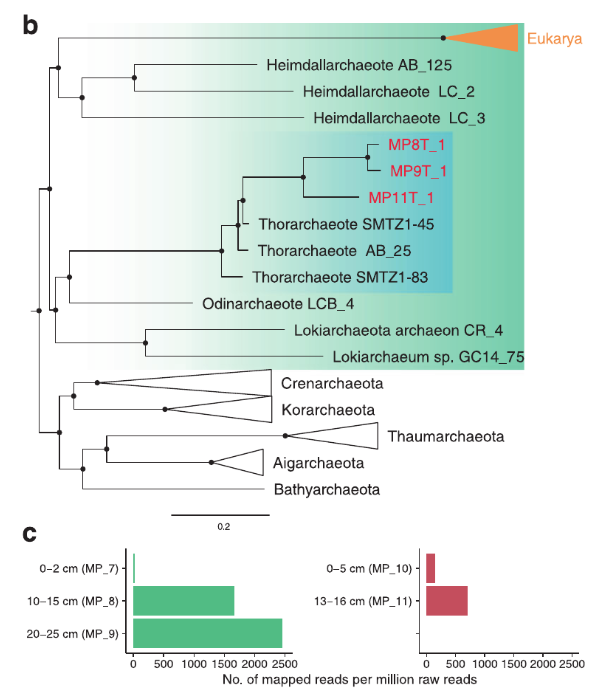
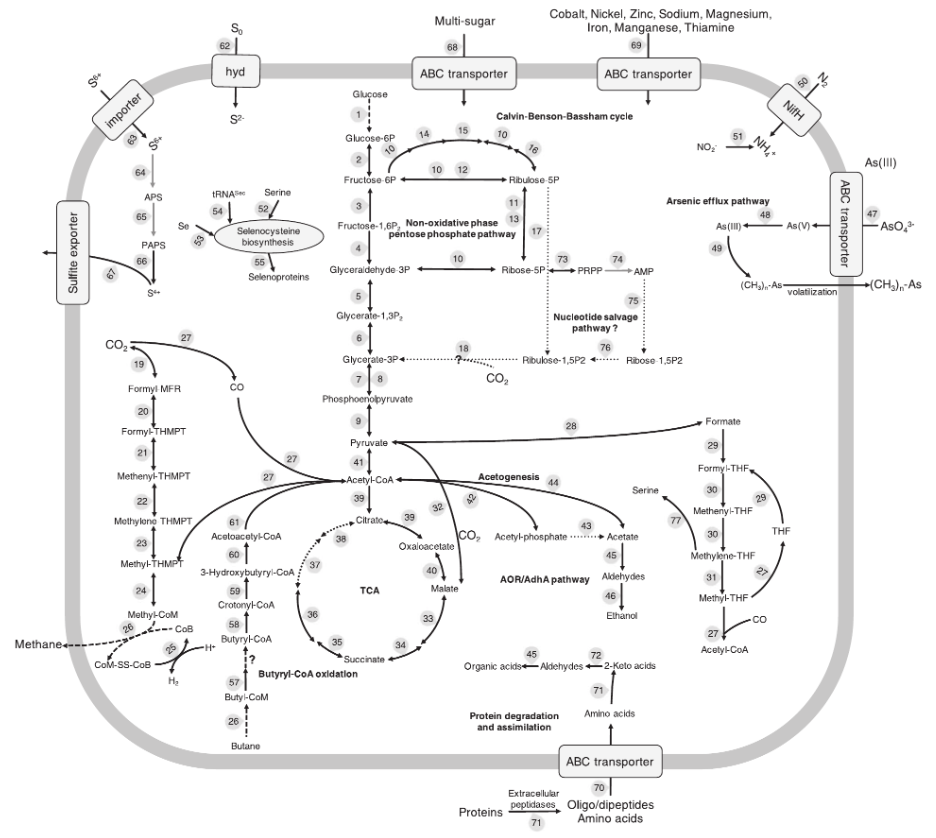
To provide a better resolution of the ecological roles and metabolic capacity of Thorarchaeota, we obtained Thorarchaeota genomes reconstructed from metagenomes of different depth layers in mangrove and mudflat sediments. These genomes from deep anoxic layers suggest the presence of Thorarchaeota with the potential to degrade organic matter, fix inorganic carbon, reduce sulfur/sulfate and produce acetate. In particular, Thorarchaeota may be involved in ethanol production, nitrogen fixation, nitrite reduction, and arsenic detoxification.
Interestingly, these Thorarchaeotal genomes are inferred to contain the tetrahydromethanopterin and tetrahydrofolate Wood–Ljungdahl (WL) pathways for CO2 reduction, and the latter WL pathway appears to have originated from bacteria. These archaea are predicted to be able to use various inorganic and organic carbon sources, possessing genes inferred to encode ribulose bisphosphate carboxylase-like proteins (normally without RuBisCO activity) and a near-complete Calvin–Benson–Bassham cycle.
The existence of eukaryotic selenocysteine insertion sequences and many genes for proteins previously considered eukaryote-specific in Thorarchaeota genomes provide new insights into their evolutionary roles in the origin of eukaryotic cellular complexity. Resolving the metabolic capacities of these enigmatic archaea and their origins will enhance our understanding of the origins of eukaryotes and their roles in ecosystems.
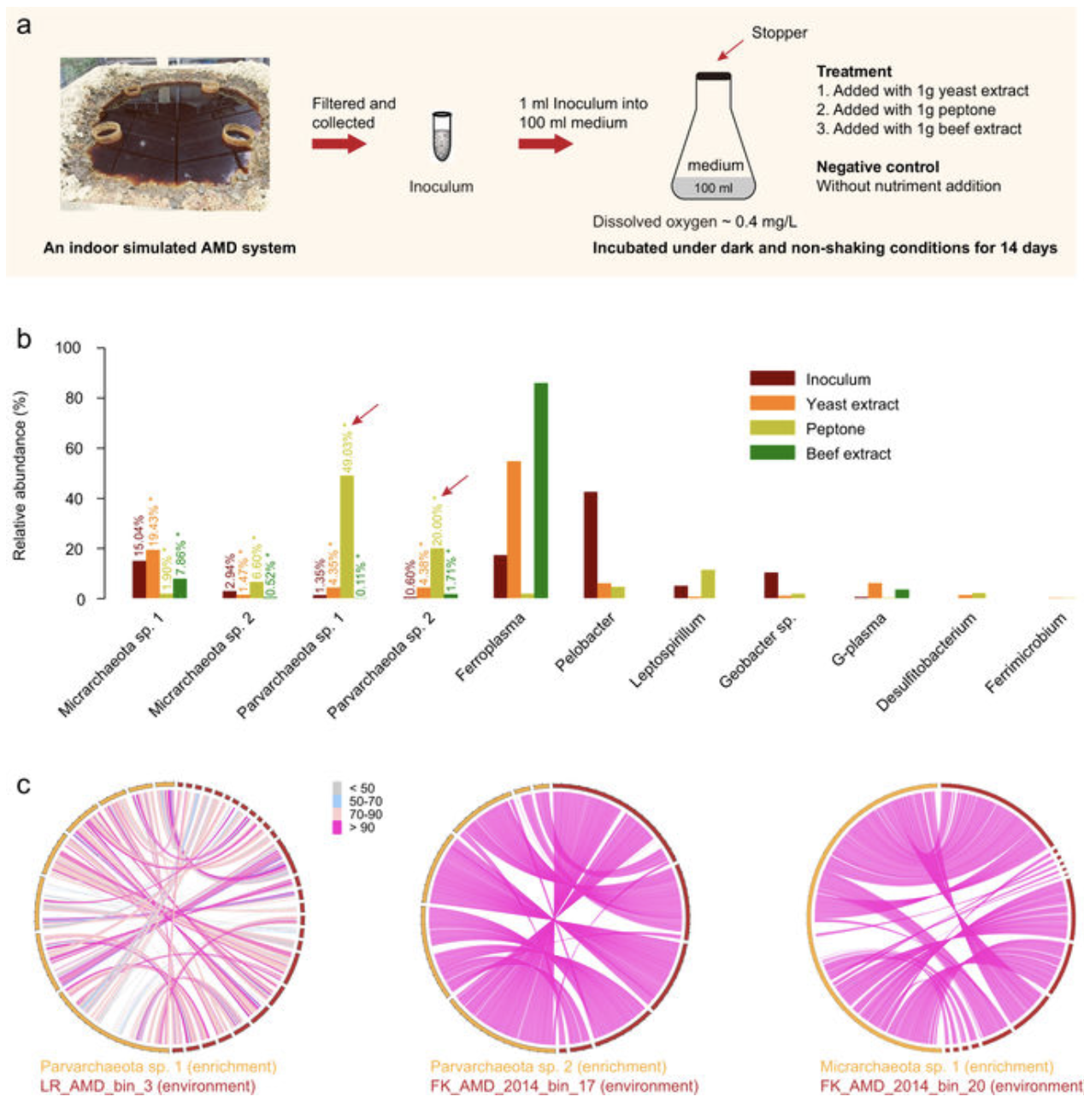
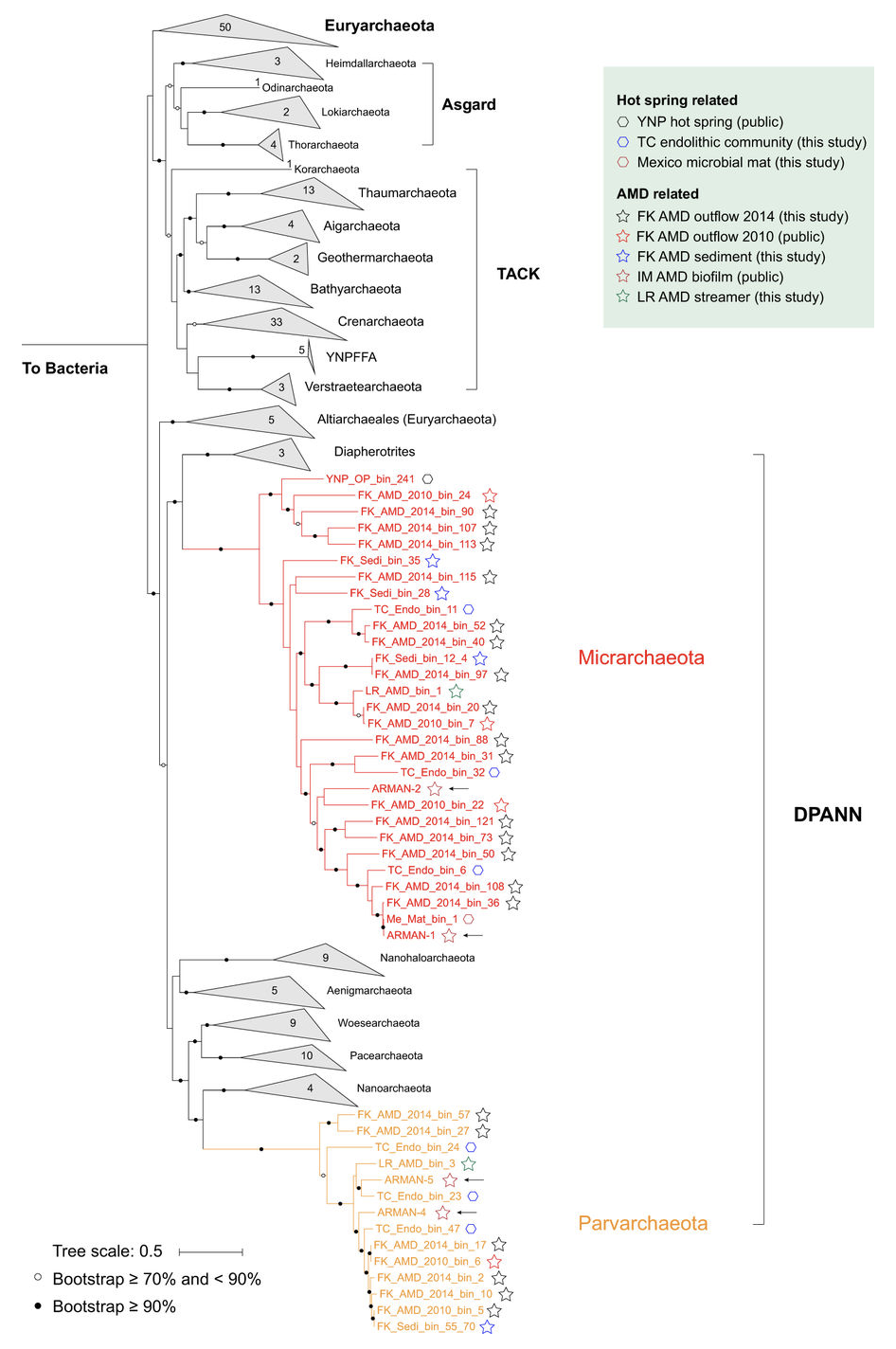
New paper on the metabolic diversity of ultrasmall archaea
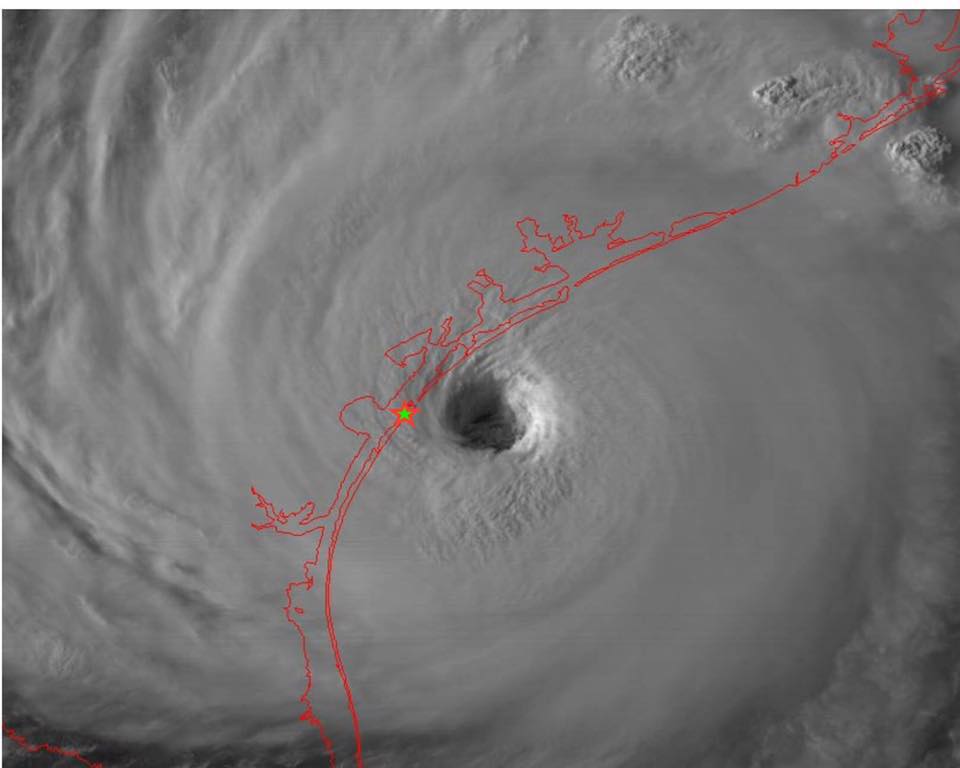
On August 25, 2017 my laboratory took a direct hit by a category 4 hurricane, Harvey.
Here is some of the press that covered the impacts of the storm on my lab, institute, lab members, and family.
Nature – How labs are coping with Hurricane Harvey’s devastating floods
Science – A lab flees from Harvey: We were ‘just so damn lucky’
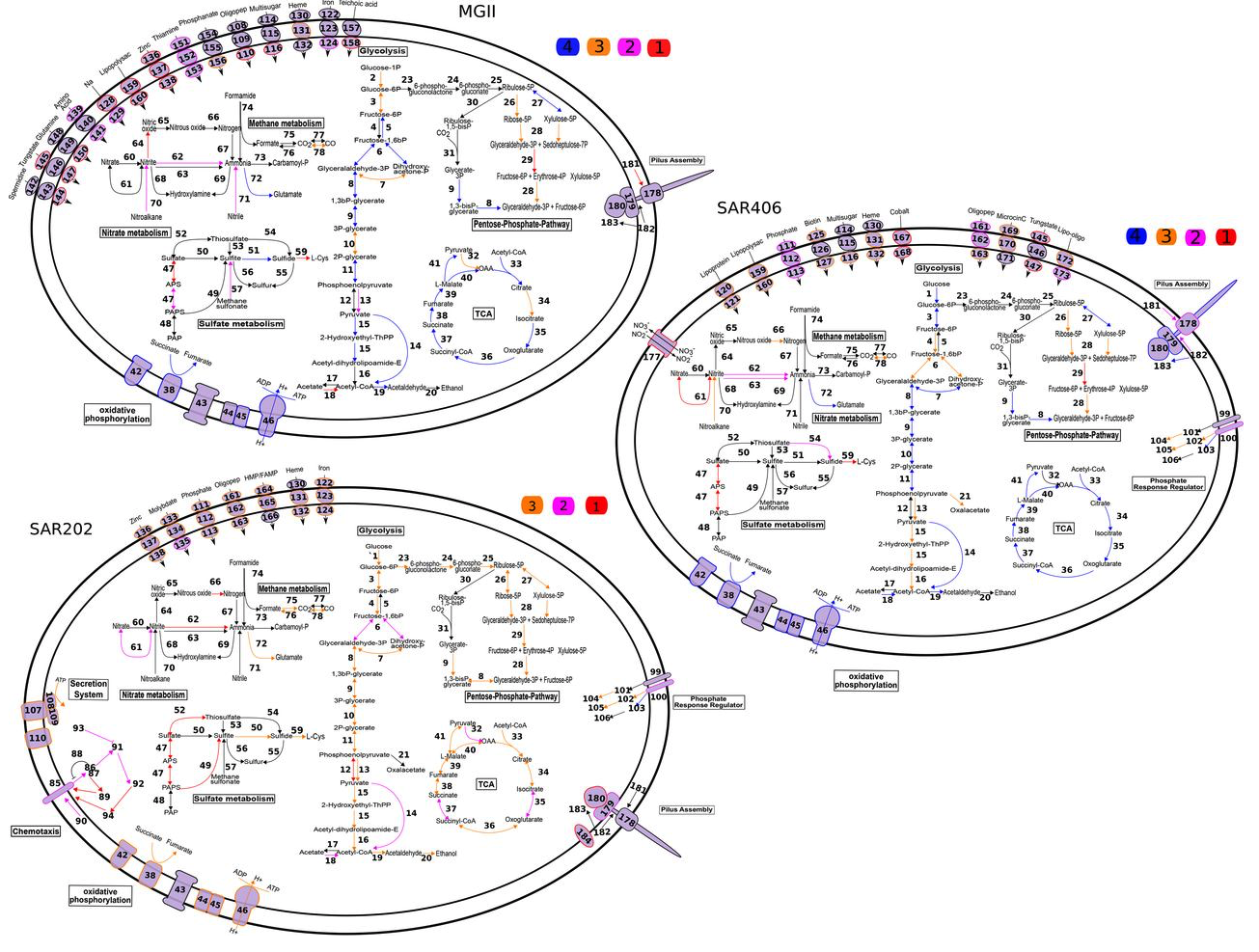
New paper published, resolving the metabolisms of the dead zone.
New paper detailing hydrocarbon and nutrient cycling in deep sea hydrothermal sediments
Congrats Nina and Kiley!
This paper details the genetic diversity of these sediments and describes genomes belonging to a uncultured archaeal group (GoM-Arc1) that contain novel pathways for hydrocarbon cycling, related to ANME (anaerobic methane oxidizers).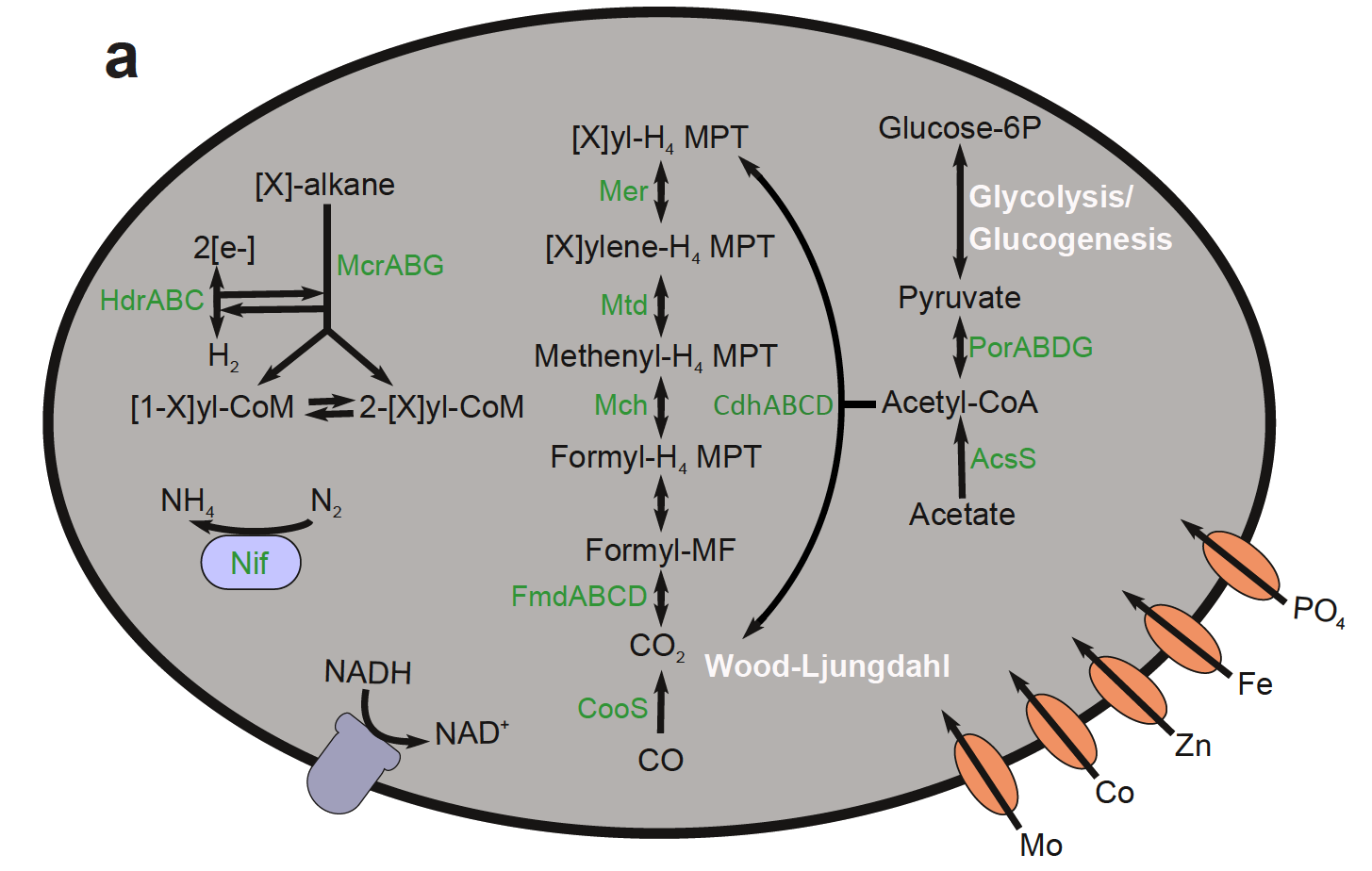
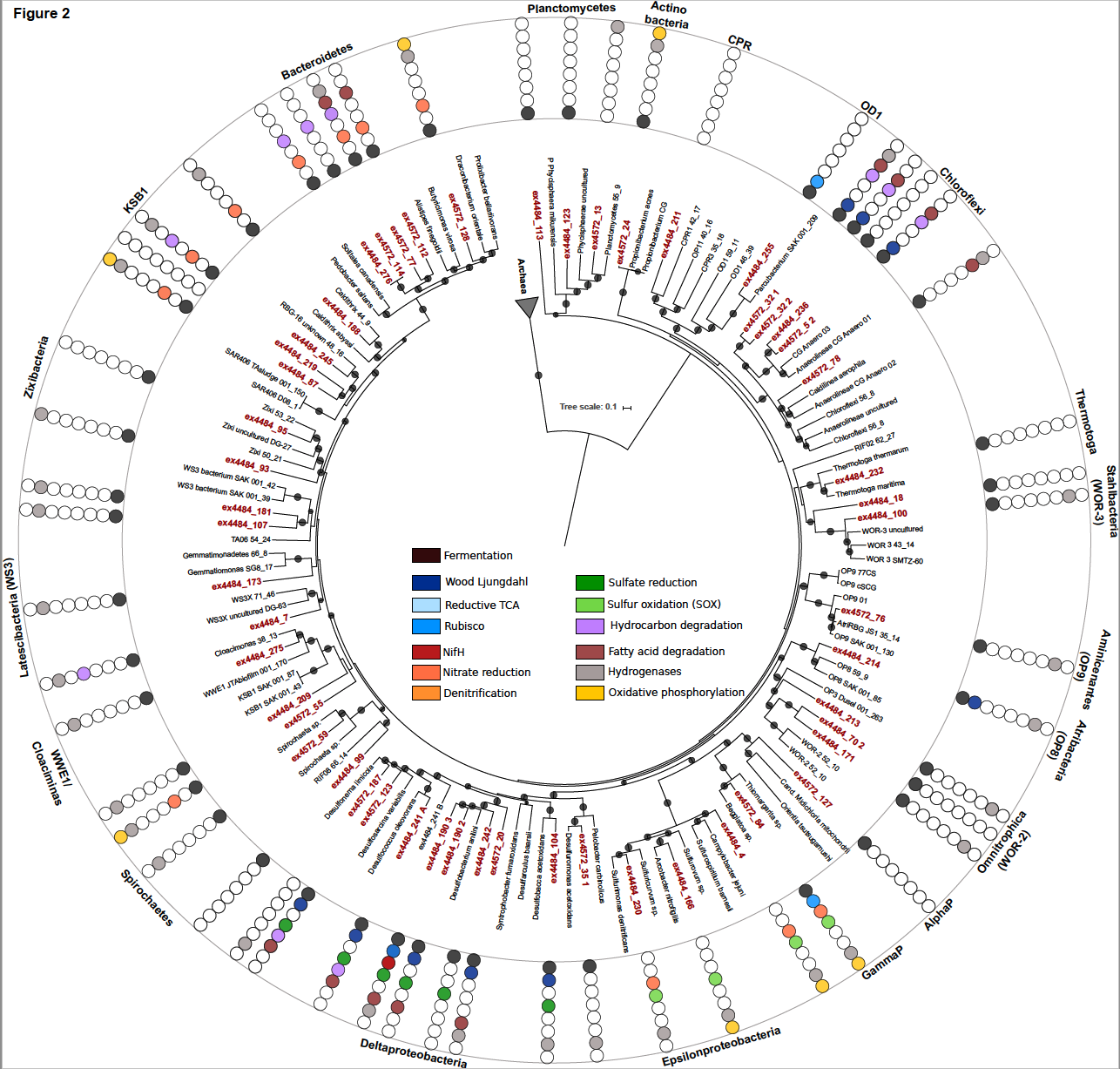
Introducing a new class in the archaea, Theionarchaea, and several other uncultured lineages
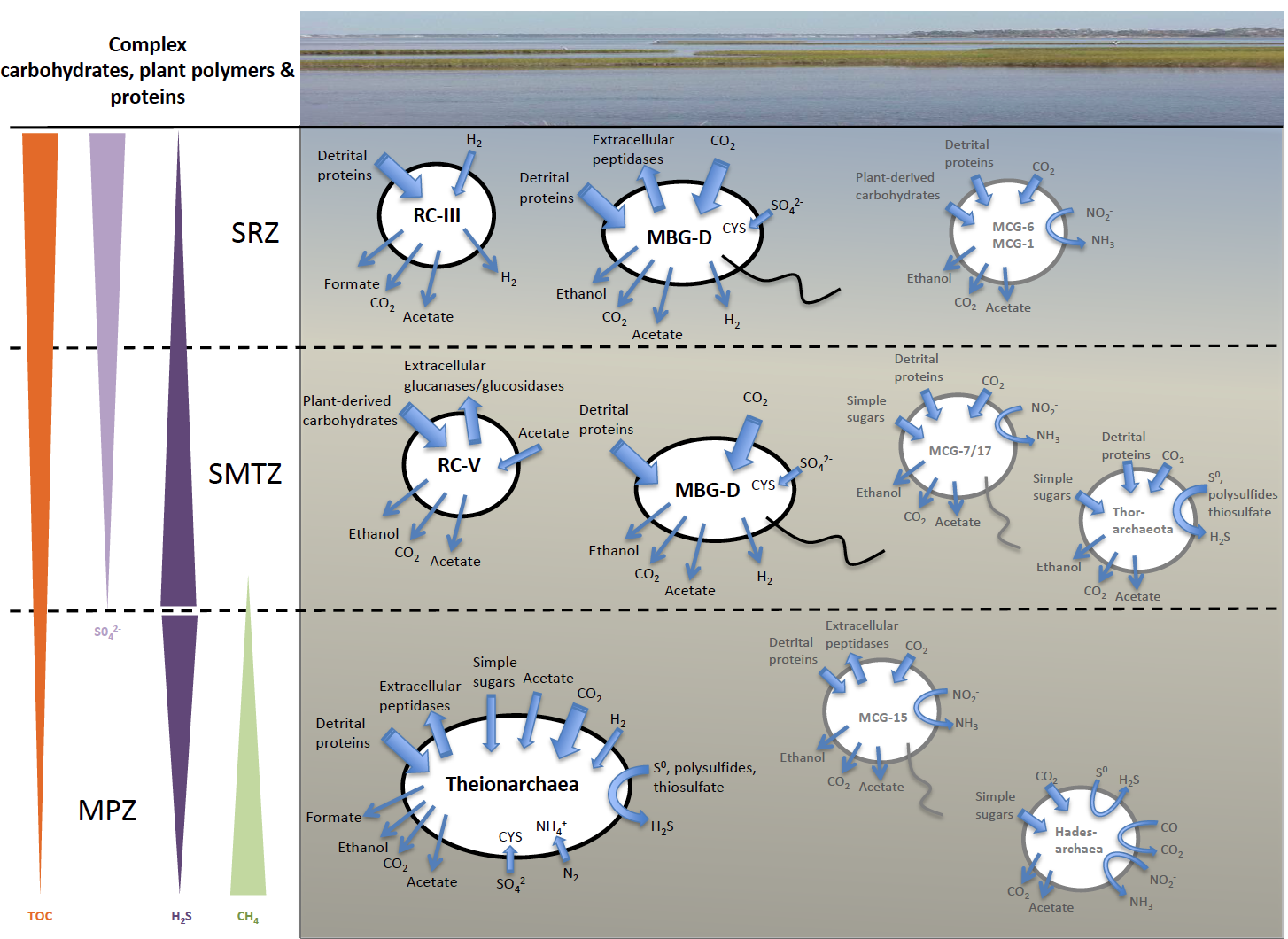
In addition to Theionarchaea, this new paper that appears in ISME Journal also details a variety of archaeal genomes there were obtained from the White Oak River Estuary in North Carolina. This digram summarizes the ecological roles we have inferred from these genomes. This is important because NONE of these lineages have been grown in a laboratory, so having their genomes has significantly advanced our understanding of what they do in nature.
Introducing Asgard! A new superphylum of archaea that are related to eukaryotes.
Asgard archaea illuminate the origin of eukaryotic cellular complexity

 This week our new paper describing the discovery of four archaea phyla that are related to eukaryotes was published in Nature. These phyla belong to the same branch of life and have been named after different Norse gods, Thor, Odin, Heimdall, and Loki. This is a collaboration with Thijs Ettema’s lab in Sweden. Last year we published the discovery of Thorarchaeota in ISME.
This paper adds two additional phyla, Odinarchaeota and Heimdallarchaeota. The focus of this paper is to further resolve the phylogenetic position of eukaryotes in this new superphylum. It also examines the presence of several new ESPs or eukaryotic signature proteins. These proteins were mostly thought to exist in eukaryotes, but these genomes contain a variety of them!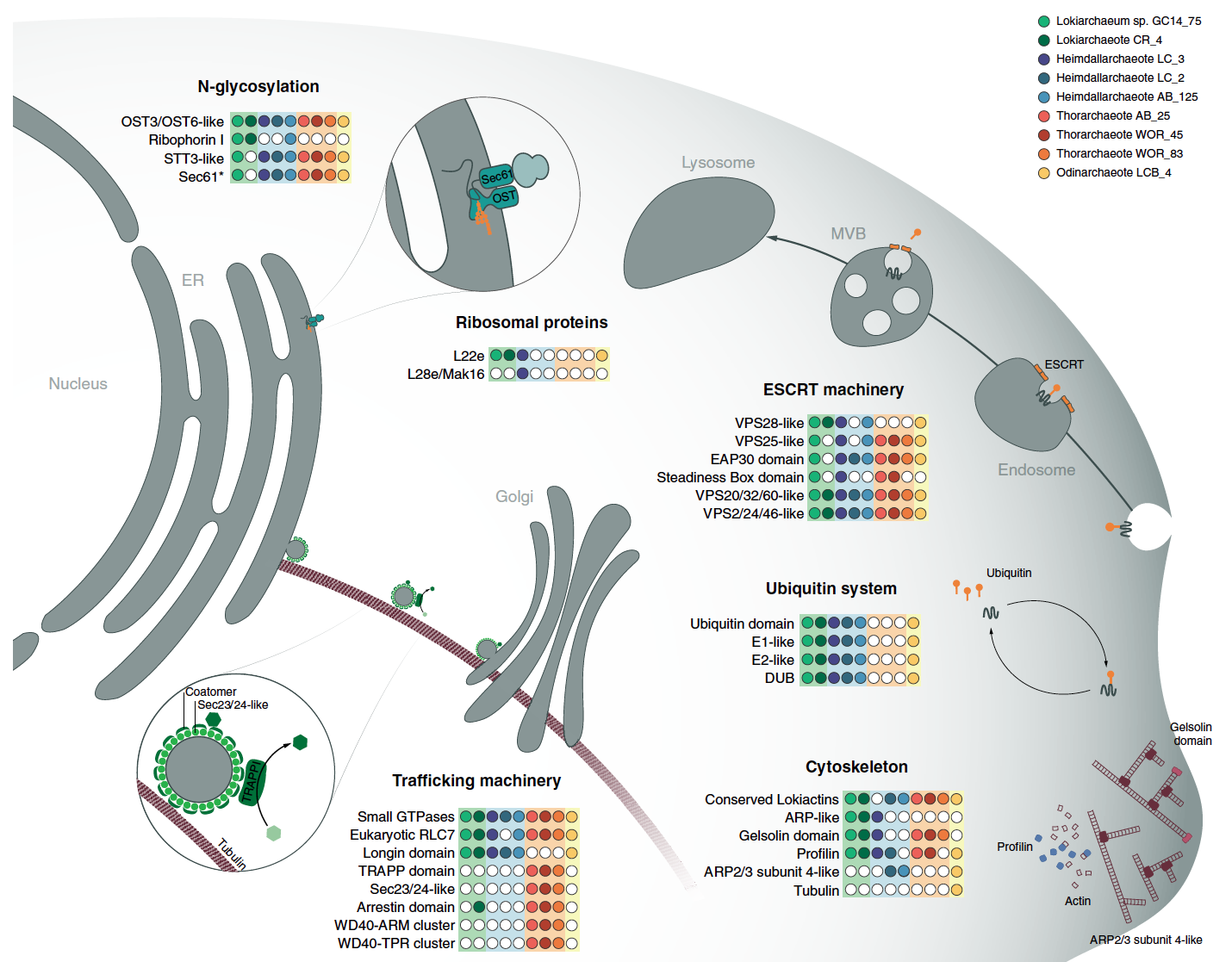
Press releases to accompany this study:
A nice News and Views article about our recent publication in Nature Microbiology.
Marine Microbiology: a community cleanup
by Rachel Mackelprang & Olivia U. Mason
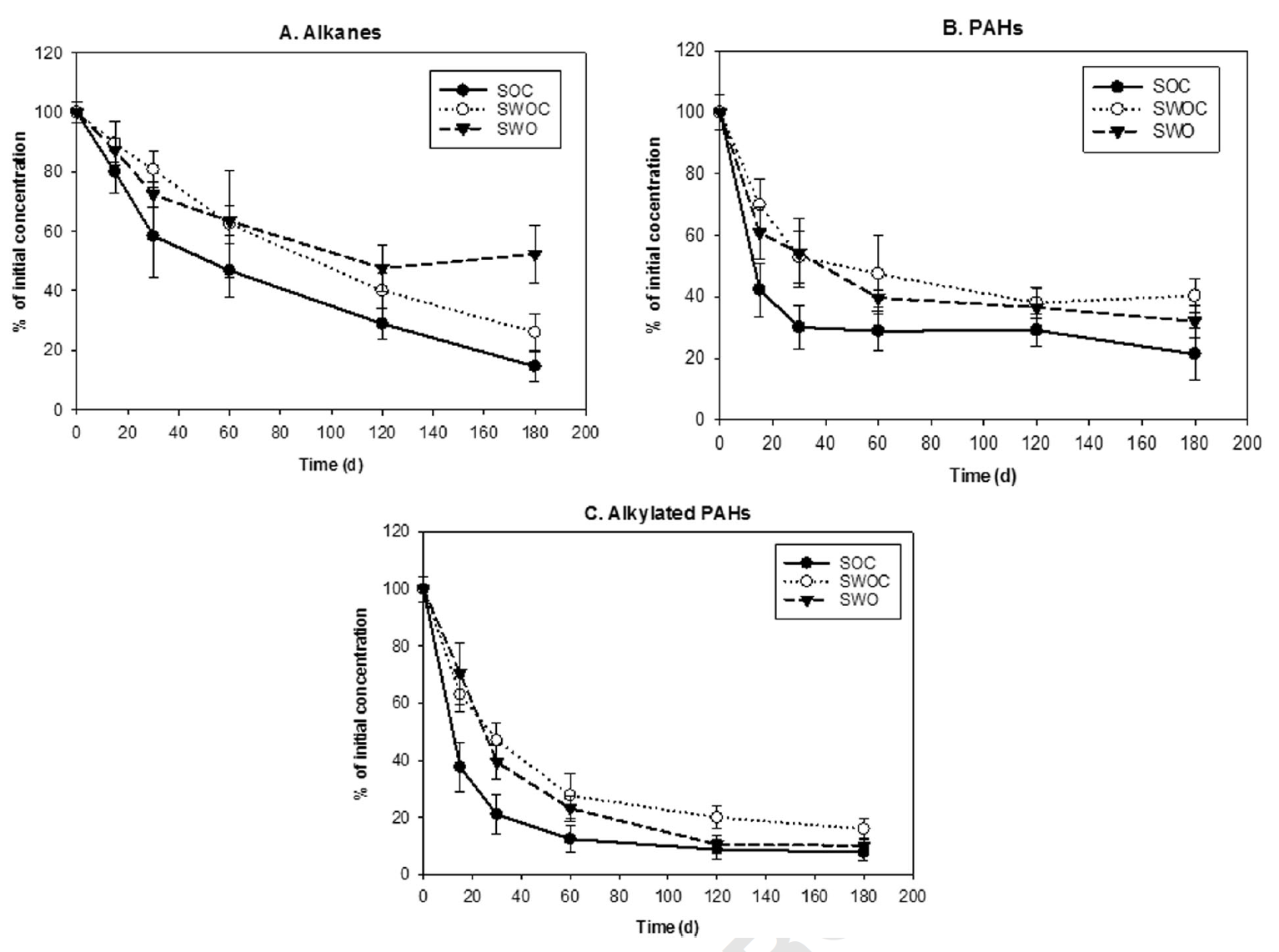
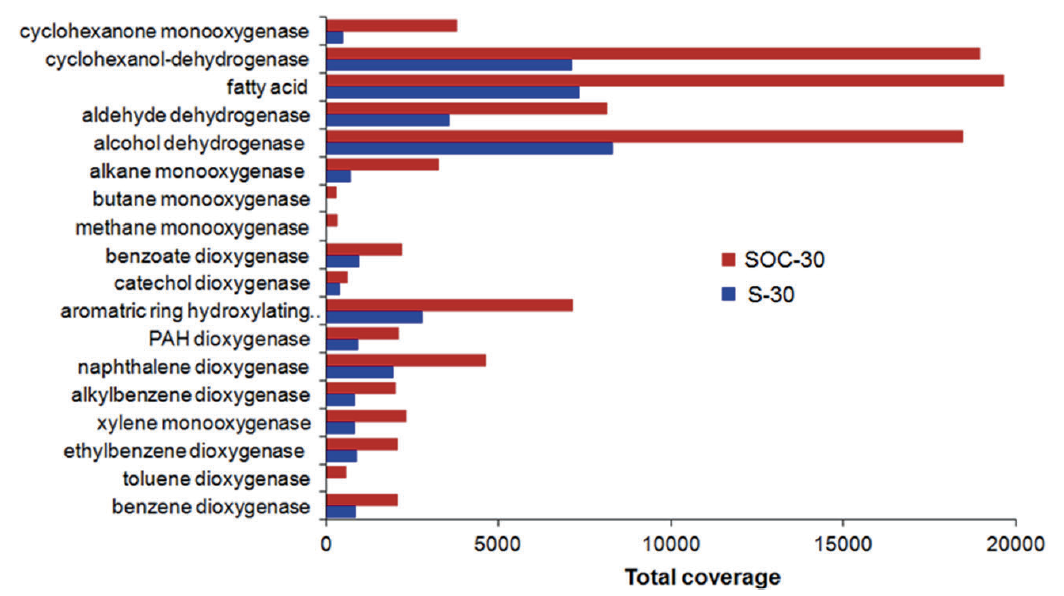
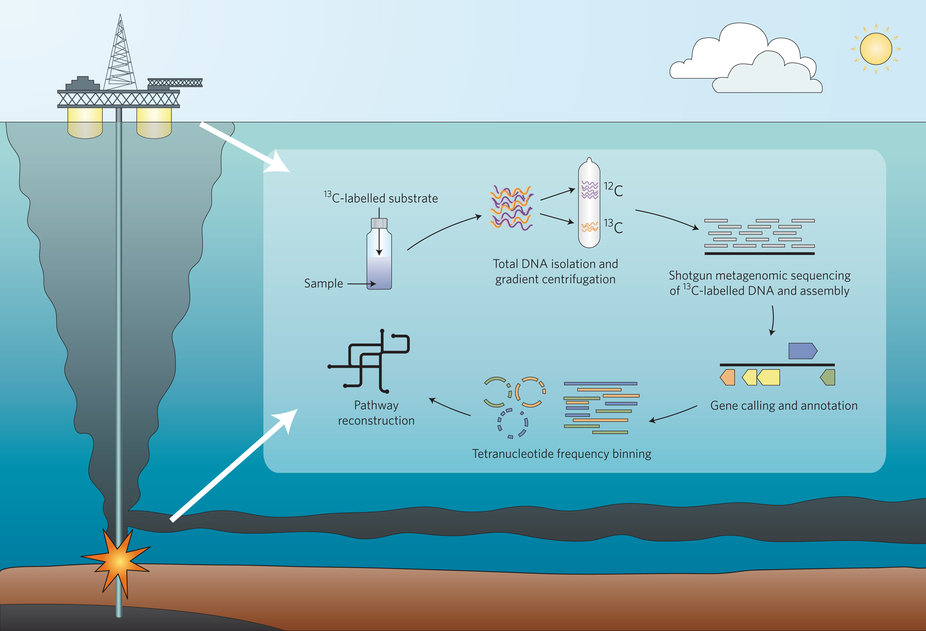 DNA-SIP metagenomic experimental strategy for the identification and characterization of hydrocarbon-degrading microorgansims from DWH oil spill deep-plume and surface-slick samples.