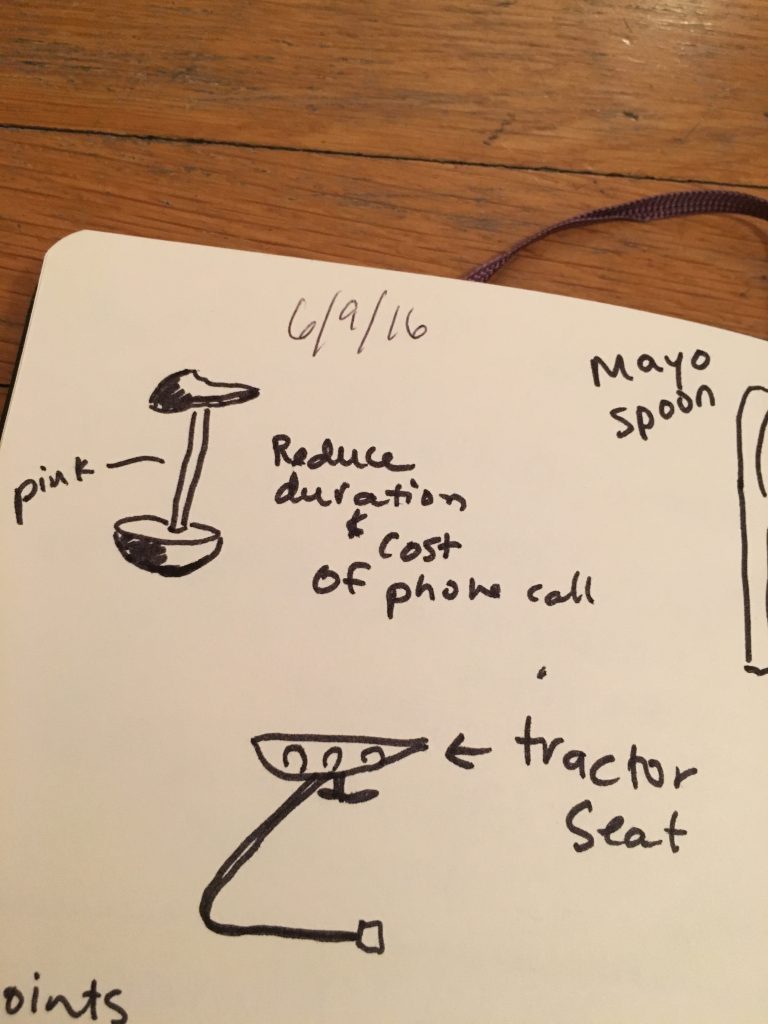
I want to preface this post with the fact that I’m not someone who can consistently keep up with a journal or a sketchbook, especially if it is assigned. There is this inherent dislike of regimented cataloguing and documentation that I refuse to do when it is an assignment. So the fact that I have kept up with this assignment, and with enthusiasm that has surprised me, is really an exciting and encouraging prospect. Maybe I am growing out of my childish rebellion, who knows.
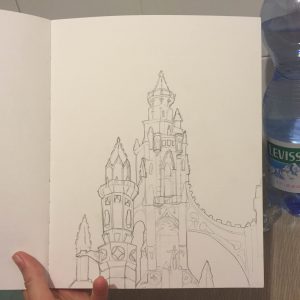
Milan has to much to document and draw that at first, I couldn’t settle. I spent the first two days so overwhelmed with what ti draw on the very first page of my sketchbook that I ended up doing nothing for that time period. Finally, I had to just scold myself into sitting and doing SOMETHING. Ironically, I opened up my sketchbook the wrong way, so the scribbled drawings of the arches seen at the roof of the Duomo are at the back of the book. The actual first page is a sparse outline of a display window I drew while waiting for some classmates to finish up shopping one free evening the first week. So much for a good start…
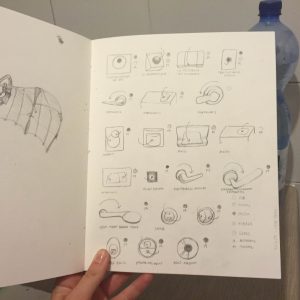
But those two drawings gave me a good starting point for what I wanted to fill up my sketchbook with.Over the course of this study abroad, I decided to catalogue the different types of moulding and decor that adorns doors, windows, and arches. Milan, and Italy in general, has some really beautiful windows and doors, with elaborately carved detailing added to what is essentially a hole in a wall. There certainly isn’t a lack of simple glass windows around the city, but the abundance of old structures drowns out the simpler buildings.
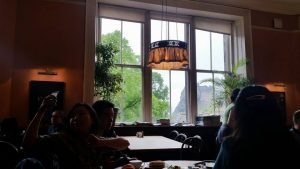
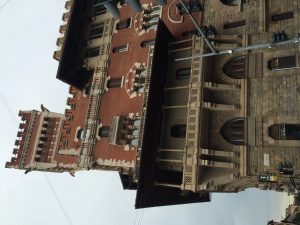
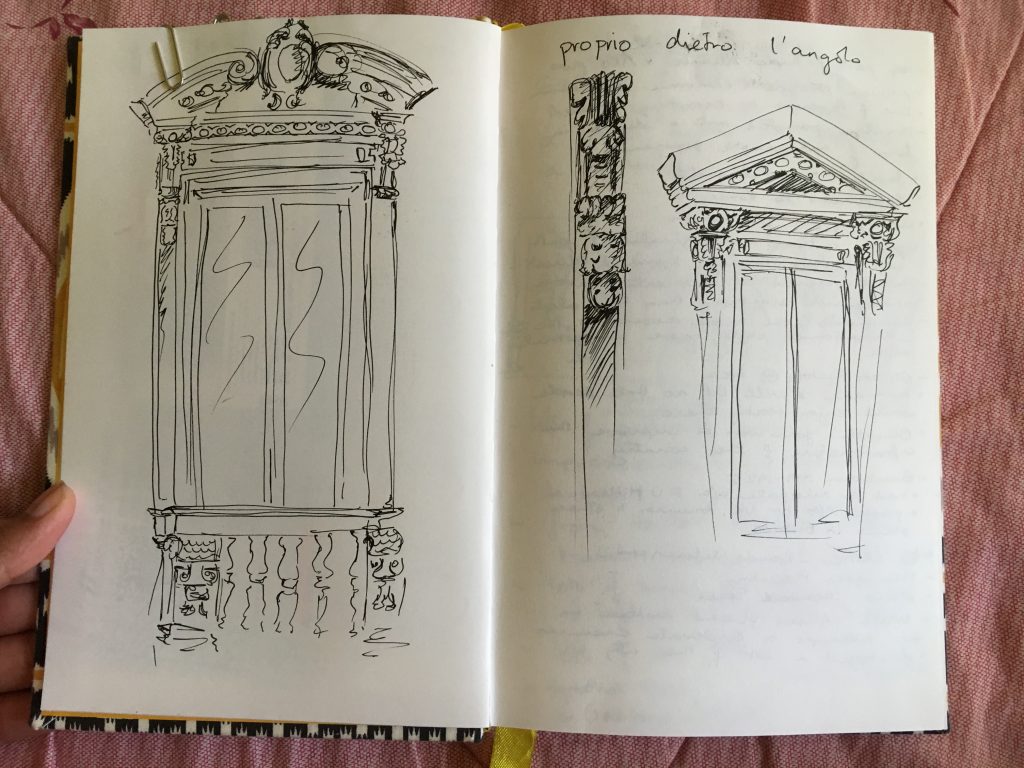
The first spread I chose for this post was the sketch of two windows that I noticed from the window during one of our lectures in basic Italian. The two windows are from the same building, seen one on top of the other, and they’re so very different. The former used more circular motifs, coifs, and has a beautiful little balcony rail. The latter seems to reference the triangular pediment of the Parthenon in Athens. The common motif is the leafy bands that run down the sides of the windows. They are set into the flat facade of the building.
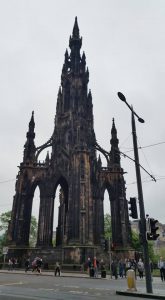
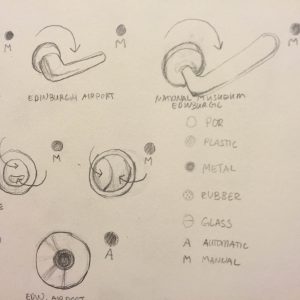
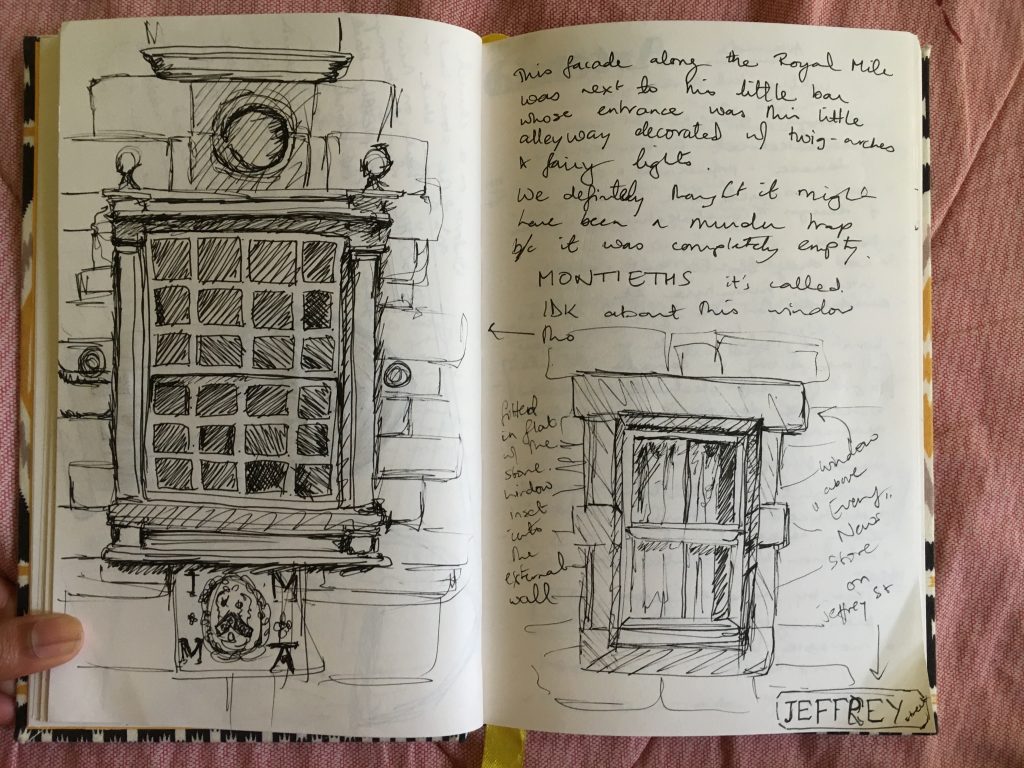
This past weekend in Edinburgh, the window and door vibe was drastically different. Both Milan and Edinburgh are intertwined with their respective old heritages but Scotland hails from a very different time. The history in Edinburgh really begins in the Middle Ages, and that is quite apparent, even through the little windows and doors of places. The windows (as seen in the sketches in the spread below) are simply decorated with linear patterns, and maybe the occasional moulding for decoration.
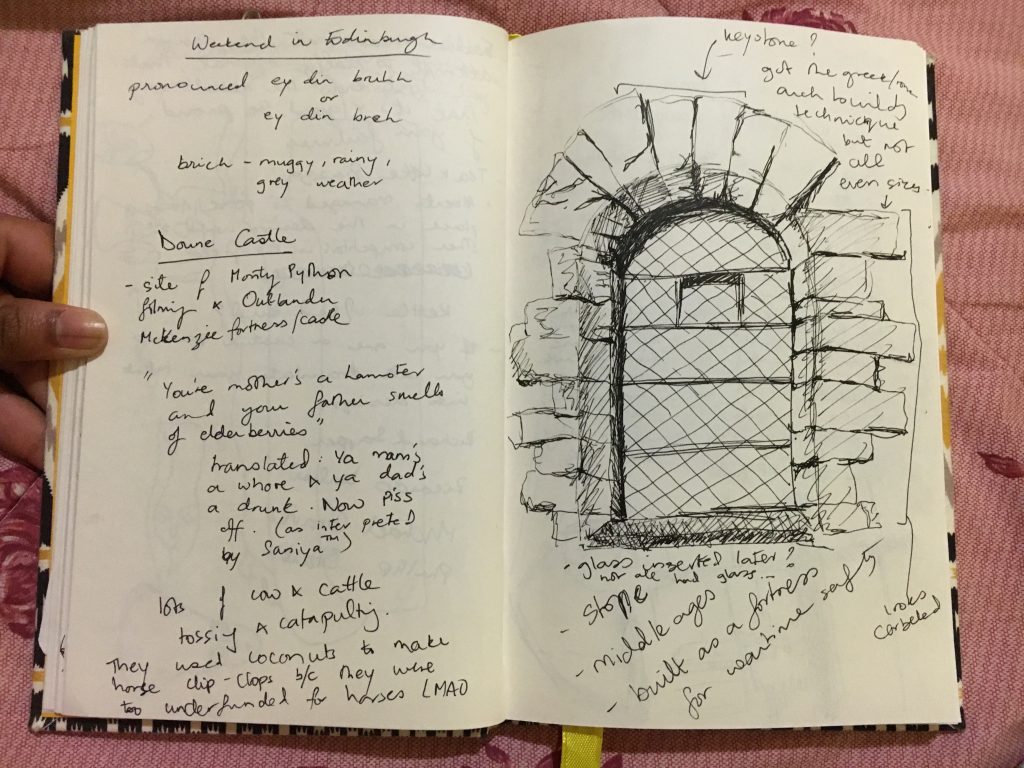
The windows at Doune Castle, where certain scenes from Outlander and Monty Python were filmed, had arched windows with a keystone to hold the arch together. But again, these windows were very very simple, set into the corbeled stone walls and not protruding like the windows in Milan.
With this bit of comparison and background in mind, I’m looking forward to finding more patterns and history through doors and windows.