• Skip to primary navigation
  • Skip to main content
  • Skip to primary sidebar
  • Skip to footer
UT Shield
The University of Texas at Austin Texas Center for Disability Studies Steve Hicks School of Social Work
  • Home
  • Visit our website
  • Community Map

Uncategorized

June 29, 2023, Filed Under: Uncategorized

Texas colleges provide job training for students with disabilities. Here’s how to access it.

By María Méndez, The Texas Tribune

June 27, 2023

“Texas colleges provide job training for students with disabilities. Here’s how to access it.” was first published by The Texas Tribune, a nonprofit, nonpartisan media organization that informs Texans — and engages with them — about public policy, politics, government and statewide issues.

Sign up for The Brief, The Texas Tribune’s daily newsletter that keeps readers up to speed on the most essential Texas news.


To read a version of this guide written in plain language, click here.

Julia Gault fell in love with Texas A&M University as a high school student when she went to a football game with her dad, who also attended the university.

“I did really want to go college, like really bad,” said Gault, 26. “I mean, everyone else wanted to. I was like, ‘I want to, too.’”

Gault, who has a disability that can make it hard to read, had tried an extended special education program for students with disabilities, but she didn’t like it very much. Today, she’s happy to be studying at Texas A&M through a program for students with intellectual and developmental disabilities.

Colleges have not always been inclusive of people with disabilities. People with hearing, visual, or other physical or cognitive disabilities who needed additional accommodations were often denied admission into college programs or were institutionalized away from society.

After the passage of the Individuals with Disabilities Education Act in 1975 and the Americans with Disabilities Act in 1990, colleges and schools began to put more energy into making postsecondary education more accessible for people with disabilities, said James Patton, an associate professor in special education at the University of Texas at Austin.

Colleges now can’t discriminate against people with disabilities and must provide “reasonable accommodations,” such as offering note takers, providing written supplements, making classrooms accessible or recording lectures.

And in 2008, the Higher Education Opportunity Act opened up federal financial aid for the first time for students with intellectual disabilities in certain programs.

Julia Gault, a junior in the Aggie ACHIEVE program, talks with another student during office hours at the Texas A&M University campus in College Station on Nov. 15, 2022.
Julia Gault, a junior in the Aggie ACHIEVE program at Texas A&M University, talks with another student during office hours Nov. 15, 2022, on the College Station campus. Credit: Evan L’Roy/The Texas Tribune

Today, there are accommodations and college and career programs designed for students with disabilities to live independently, work and participate in their communities.

[As demand for skilled workers rises in Texas, work-based educational programs see a resurgence]

An estimated 29.5% of Texas adults had a disability in 2020, according to the most recent data from the Centers for Disease Control and Prevention. In Texas public schools, 605,351 students — 11.3% — received special education services during the 2020-21 school year, according to the Texas Education Agency.

“In more recent years, what has dramatically changed, I think, is an effort to get more students with intellectual and other developmental disabilities — so students with some more challenges — into higher education,” Patton said.

Higher levels of education are associated with higher employment rates for people with and without disabilities, and several studies have found that most people with disabilities tend to get jobs after completing postsecondary education programs.

But navigating the programs and available resources can be tricky because students in some programs may only qualify for either state or federal financial assistance, depending on the type of program they pursue. Here’s more information about the options available to Texans and how to find the best fit.

Resources during and after secondary school

In kindergarten through 12th grade, public schools are responsible for identifying students with disabilities and those who may need modifications to curriculum and programs in order to succeed.

In Texas, public school staff must begin exploring postsecondary options for students with disabilities and individualized education programs when students are around 14, according to Texas law. Transition services must be included in a student’s individualized education program by the time they’re 16 years old, according to federal law. Learn more about transition services through the Texas Education Agency’s website or by contacting your school.

It’s important for families to look at options and ask questions early to find the best fit for a student and to prepare for changes, Patton said.

Joe Tate, a program director, teacher and disability advoate at E4 Youth, teaches students with developmental disabilities about disability advocacy and becoming personal care attendants in the Biomedical Engineering building at UT Austin on Nov. 29, 2022. The students were part of a workforce development program at UT Austin called E4 Texas, an inclusive job training program open to students with developmental disabilities.
Joe Tate, a program director, teacher and disability advocate at E4Youth, teaches students with developmental disabilities about disability advocacy and becoming personal care attendants on Nov. 29, 2022, at the University of Texas at Austin. The students were part of the E4Texas program. Credit: Jack Myer for The Texas Tribune

Options can include extended school in some school districts that offer special education services for adult students who are not yet 22 years old. They also include college, job training or trade school programs.

Many universities and colleges have departments that help enrolled students with disabilities, including mental health or developmental conditions, but students are responsible for identifying their disabilities and needed accommodations.

College accommodations may also be less extensive than in schools because individualized education programs are not required after high school, and different laws define disability rights in schools and colleges. Here’s more information from Think College, a national assistance center for students with intellectual disabilities, about the differences in the laws and requirements. You can also learn more about your rights to accommodations through Disability Rights Texas.

Accommodations won’t be enough for every student. Here are some programs designed for students with developmental or intellectual disabilities who may qualify for state or federal financial assistance.

Job training programs

Job training programs prepare students to get jobs, usually in specific occupations and can include industry certifications. And if a program is approved by the Texas Workforce Commission, the costs may be covered by funding for students who have disabilities that seriously limit their functional skills, such as mobility, communication, interpersonal skills or work skills. To learn more about who can qualify for this funding, look up and contact your local Vocational Rehabilitation Office through this website.

E4Texas at UT-Austin is one of the job training programs designed to be more accessible for people with disabilities, including developmental or intellectual disabilities.

In E4, students prepare for jobs as personal care attendants, child care associates or teacher assistants. During the three-semester program, students take specialized classes at UT-Austin’s campus, audit other UT courses, volunteer and get work experience.

It offers extra support from staff for students with disabilities, but it is also open to students without disabilities.

Twenty-year-old Ayala Montgomery of Dallas has an intellectual disability that sometimes makes it hard for her to comprehend words when she’s reading. She said one of the reasons she joined E4 was to connect with fellow students with disabilities.

20-year-old Ayala Montgomery, a student studying disability advocacy and becoming a personal care attendant, seen outside the Biomedical Engineering building at UT Austin on Nov. 29, 2022. Montgomery and her classmates were part of a workforce development program at UT Austin called E4 Texas, an inclusive job training program open to students with developmental disabilities.
Ayala Montgomery, 20, is studying disability advocacy and how to become a personal care attendant at the University of Texas at Austin. Credit: Jack Myer for The Texas Tribune

“I also wanted to help people that actually struggle with disabilities, like, to let them know that you’re not alone, and there’s many people just like you that struggle with the same things day to day,” Montgomery said. “I wanted to leave an impact.”

In her personal care attendant class, she has learned skills like how to help people get out of a wheelchair and about the support network available to people with disabilities. She also has been assisting older people by volunteering with AGE of Central Texas.

E4 students also live on campus and get help from program staff to live independently and participate in the community, said Joe Tate, E4’s program manager. At the end, students receive certificates of completion and can go on to get specific job certifications, but they do not get college credits. E4 students are not eligible for federal financial aid. But students with disabilities may qualify for financial help from the Texas Workforce Commission to pay for the program, Tate said.

E4 accepts 10 to 15 students every summer. The program costs $8,000 per semester. That does not include housing.

Ayala Montgomery, 20, volunteers at AGE of Central Texas in Austin, Texas on December 2, 2022. Montgomery was part of a workforce development program at UT Austin called E4 Texas, an inclusive job training program open to students with developmental disabilities.
Ayala Montgomery volunteers at AGE of Central Texas in Austin on Dec. 2, 2022. Credit: Jack Myer for the Texas Tribune

Other job training programs open to students with disabilities in the state include:

  • The PATHS Certificate Program at Texas A&M University, which prepares students to get jobs supporting people with disabilities or working with children. It lasts two years, and up to 15 students will be accepted per year beginning this year. Updated program costs are still being determined, according to program staff.
  • HOPS, a two-semester program at Texas A&M University, in which students earn credentials for jobs in greenhouse nursery, landscape management or floral design. The program admits up to 25 students. It also requires a six-week summer program at Texas A&M for adults with a disability. The prerequisite program costs about $13,776.50, including housing and food. Tuition for each semester of the program costs about $10,000 but does not include housing or food costs.
  • The STEPS program at Austin Community College, in which students with disabilities can prepare to work or continue to study. The program takes two years on average and offers pathways to additional ACC courses to work in jobs such as administrative assistant, teaching assistant and office medical support. The program accepts 30 students and typically costs $1,790 per semester.

Comprehensive transition programs

Comprehensive transition and postsecondary programs, known as CTPs, are for students with intellectual disabilities. Students in these programs spend at least half of their time taking classes or participating in internships or work-based training with people without disabilities. This designation also allows students to receive federal financial aid. Learn more about CTP requirements here.

There are four CTP programs in Texas, at Texas A&M University, Houston Community College, Texas A&M University-San Antonio and the University of North Texas. The programs vary in length and cost, ranging from 18 months to four years and $1,036 per semester to over $30,000 per year.

These programs are also meant to prepare students for jobs, but they usually offer a broader, structured curriculum for work and life skills, rather than focusing on a specific career or field of study. Many also cater learning opportunities, such as courses or internships, to students’ individual interests.

In Texas, the programs usually do not lead to degrees, but students are given certificates of completion by the university or college.

Texas A&M’s program, Aggie ACHIEVE, is open to students who are 18 to 27 years old and have a documented intellectual disability or autism. The program lasts up to four years.

A list of available course to students in the Aggie ACHIEVE program at the Texas A&M University campus in College Station on Nov. 15, 2022. Students take one non-credit course per semester, as well as a Physical Education non-credit course, while they pursue their certificate.
A list of courses available to students in the Aggie ACHIEVE program at Texas A&M University. Credit: Evan L’Roy/The Texas Tribune

Students in the interdisciplinary program can take select noncredit courses, take physical education courses and participate in student life at A&M. The students have access to graduate assistants who help them navigate classes and live on their own.

Initially, students live on campus. They get residential mentors who spend five to nine hours a week with them during freshman year, said Heather Dulas, the program director. As juniors, the students move off campus and can live on their own or have roommates. When they finish, students receive certificates from the university. The program is approved by the U.S. Department of Education, but students do not get college credit for most of their courses.

Gault, the student who fell in love with A&M after a football game, has learned how to navigate her schedule and chores, like doing her laundry, through Aggie ACHIEVE. Now she works at a small-animal hospital and wants to become a veterinary assistant, she said.

“It’s amazing, so much fun,” she said. “You will get used to the campus, and they will help you, like, find classes. They help us with homework and stuff that we have trouble with.”

Christian Anguiano, a 23-year-old from San Antonio in Aggie ACHIEVE, has interned as a research assistant for an entomology professor, looking at how insect farming could create a sustainable food supply. He also traveled to Washington, D.C., to present his research. He wants to be a pharmacist technician but said going to college has been important for him.

“You get an amount of experience in things you want to do for your career,” he said.

Effrosyni Chatzistogianni, an academic graduate assistant with the Aggie ACHIEVE program helps Christian Anguiano, a junior in the program, during an office hours at the Texas A&M University campus in College Station on Nov. 15, 2022. Aggie ACHIEVE is a comprehensive transition program (CTP) for young adults with intellectual and developmental disabilities (IDD) who have exited high school.
Effrosyni Chatzistogianni, an academic graduate assistant with the Aggie ACHIEVE program, helps Christian Anguiano, a junior in the program, during office hours at the Texas A&M University campus on Nov. 15, 2022. Credit: Evan L’Roy/The Texas Tribune

The programs at Texas A&M and UNT cost over $30,000 per year, including the required on-campus housing for the first two years.

UNT’s program, ELEVAR, admits 10 to 12 students every year and is four years long. Students take UNT courses (not for credit) and participate in paid internships based on their interests. They also take other classes designed to meet their needs in areas like career planning, financial literacy, and health and wellness.

Texas generally does not provide state financial aid for college to non-degree-seeking students, so the programs rely on tuition and additional program fees to operate and offer students additional support, said Brenda Barrio, the UNT ELEVAR faculty lead and an associate professor of special education.

Students can apply for federal grants and work-study jobs through the Free Application for Federal Student Aid, or FAFSA, form. UNT ELEVAR has also used donations to create scholarships for some students, and most students in UNT’s program now get some financial help from the Texas Workforce Commission, Barrio said.

The Houston Community College’s VAST Academy has three campuses that can serve up to 55 students and a smaller online cohort, said Sue Moraska, the director of the program. Tuition for the two-year program costs $1,036 per semester, she said, and some students have gotten financial support from the Texas Workforce Commission. The classes focus on skills such as communication, work etiquette, budgeting and being comfortable using computers, Moraska said.

Texas A&M-San Antonio’s TU CASA program lasts 18 months and costs about $2,019 per semester, according to the program’s website. The program addresses academic, work and life skills and accepts applications from students in San Antonio, Bexar County and adjacent areas, according to the website.

There are other programs that are not CTPs that also allow students with disabilities to take or audit courses at public or private colleges. For example, the LifePATH program at Lone Star College offers options for students with disabilities to get an associate’s degree (eligible for financial aid), complete a foundational skills certificate (not for credit) or receive additional support while taking other traditional college classes for credit.

Scholarships, tuition waivers or other funding may also be available to help students cover costs for a program or college classes.

Learn more about CTPs and other programs for students with disabilities through Think College and the Texas Higher Education Coordinating Board.

How to find the best fit

These job training and college programs offer additional accommodations, but they are still competitive and require diligence from students, according to program leaders. Programs at universities or colleges may require application processing fees. Most application fees range from $15-$50. The HOPS, STEPS and VAST Academy programs do not require application fees.

Students with disabilities applying to the programs should be fairly independent and interested in the learning opportunities.

“You have to be able to take care of your medical needs, dietary needs, safe-navigating from place to place,” said Dulas, the Aggie ACHIEVE program director. “If you wouldn’t be able to spend a weekend or a week alone in your own home, you may not be ready yet to be on a college campus.”

If a student is not yet at that level of independence or is not admitted the first time they apply to a program, students and their families can reapply or look at other programs they may qualify for.

“It doesn’t mean never,” Dulas said. “It means maybe give your student a little bit of room to grow and build some skills and some more self-confidence and then come in.”

Heather Dulas, the program director of Aggie ACHIEVE, looks at the costs and fees that students can expect to pay within the program, compared to the tuition costs of a degree-seeking Texas A&M University student at the university's campus in College Station on Nov. 15, 2022. Aggie ACHIEVE at Texas A&M University is a comprehensive transition program (CTP) for young adults with intellectual and developmental disabilities (IDD) who have exited high school.
Heather Dulas, the program director of Aggie ACHIEVE, looks at the costs and fees that students can expect to pay for the program at the College Station campus on Nov. 15, 2022. Credit: Evan L’Roy/The Texas Tribune

When exploring options, students and families should consider whether a program aligns with the student’s goals and needs, including whether a program offers residential support for students to live independently.

Programs can also serve as stepping stones to other opportunities, said Moraska, the director of the VAST Academy in Houston. She said 10% to 15% of the program’s students every year have gone on to get certificates or associate degrees.

“Once they start in a program, they have that opportunity to go to college, and they’re successful,” she said. “They become more self-determined, and they want to go on and do more.”

Programs like Aggie ACHIEVE and UNT ELEVAR are new, so data on students’ employment outcomes after graduation is not yet available. At UNT, all 10 students in the program in the spring were working paid internships, said Barrio, the program’s faculty lead. A few students also left the program.

From 2018 to Dec. 6, 2022, 45.5% of students with disabilities who went through job training programs with financial support from the Texas Workforce Commission had gotten jobs in line with their individualized employment plans, according to the commission.

Students who have completed PATHS or E4 also say the programs taught them independence and self-advocacy in addition to job skills.

“It opened the doors for me to go to college and graduate from A&M, and then now I’m able to work for a similar program,” said Shelbi Davenport, who has a physical disability due to a rare genetic disorder that can cause trouble walking and with coordination. She completed the PATHS program in 2015 and graduated with a bachelor’s degree in leadership studies in 2020. She now works for the HOPS program at A&M.

If you want to learn more about a program and how to pay for it, contact program staff or your local Vocational Rehabilitation Office for job training programs.

Students walk to class on the Texas A&M University campus in College Station on Nov. 15, 2022.
Students walk to class on the Texas A&M University campus in College Station on Nov. 15, 2022. Credit: Evan L’Roy/The Texas Tribune

Other resources

Think College lists more of the programs available for people with intellectual disabilities and has more resources for students and families, including plain-language guides on choosing a program and getting financial aid.

University Centers for Excellence in Developmental Disabilities are part of the federally established support network for people with disabilities. They conduct research and share resources, including help getting assistive technology. There are two of these centers in Texas: the Texas Center for Disability Studies at UT-Austin and the Center on Disability and Development at Texas A&M.

Other organizations that provide support in this area include:

  • Texas Council for Developmental Disabilities.
  • National Center for College Students with Disabilities.
  • The Council for Exceptional Children.
  • The Arc.

This reporting was supported by the Higher Ed Media Fellowship, which is run by the Institute for Citizens and Scholars and funded by the ECMC Foundation.

Disclosure: Houston Community College, Texas A&M University, the University of North Texas, Lone Star College and the University of Texas at Austin have been financial supporters of The Texas Tribune, a nonprofit, nonpartisan news organization that is funded in part by donations from members, foundations and corporate sponsors. Financial supporters play no role in the Tribune’s journalism. Find a complete list of them here.


Go behind the headlines with newly announced speakers at the 2023 Texas Tribune Festival, in downtown Austin from Sept. 21-23. Join them to get their take on what’s next for Texas and the nation.

This article originally appeared in The Texas Tribune at https://www.texastribune.org/2023/06/27/texas-career-training-disabilities/.

The Texas Tribune is a member-supported, nonpartisan newsroom informing and engaging Texans on state politics and policy. Learn more at texastribune.org.

June 27, 2023, Filed Under: Uncategorized

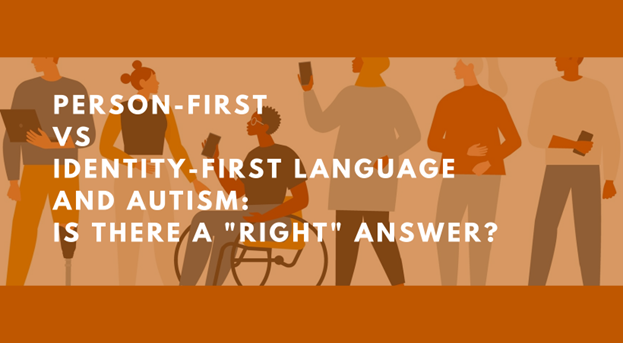
Person-First vs. Identity-First Language and Autism: Is There a “Right” Answer?

E4Texas Senior Outreach Program Coordinator

Kathleen Hernandez

Language is a powerful tool that shapes our perceptions and understanding of the world. When discussing disabilities, the choice of language becomes a matter of sensitivity, respect, and inclusivity. One prominent debate within the autism community revolves around the use of person-first language, which places the person before the condition, versus identity-first language, where the condition is used as an adjective. In this post, we will explore the arguments surrounding person-first language when referencing autism and consider whether there is a definitive “right” answer to this complex issue.

Understanding Person-First Language:

Person-first language aims to prioritize the personhood of an individual by emphasizing their identity separate from their condition. For example, saying “a student with autism” instead of “an autistic student” highlights the student as an individual first, rather than defining them solely by their diagnosis. Advocates for person-first language argue that it promotes inclusivity, respect, and recognition of a person’s inherent worth beyond their disability.

On the other side of the debate, identity-first language recognizes the condition as an integral part of a person’s identity. Many within the autism community, including self-advocates, prefer identity-first language, such as “autistic person.” They argue that autism is not merely a diagnosis but a fundamental aspect of their being, shaping their experiences, perspectives, and strengths. Identity-first language aligns with the concept of neurodiversity, which celebrates the diverse range of neurological differences and challenges societal norms that view autism as inherently negative.

The Complexity of Language Preferences:

The debate between person-first and identity-first language is not easily resolved, and it often sparks passionate arguments on both sides. It is essential to approach this discussion with empathy and an open mind.

It is important to acknowledge that language preferences can vary among individuals, and there is no one-size-fits-all solution. As it turns out, what may be empowering and affirming for one person may feel dismissive or patronizing to another. Some individuals with autism prefer person-first language, as it emphasizes their personhood beyond their diagnosis. Others embrace identity-first language, finding empowerment and validation in recognizing autism as a core part of their identity. Ultimately, the choice of language should be guided by the individual’s own preferences and self-advocacy. It is crucial to listen to and respect the preferences of each individual when discussing disabilities, including autism. Rather than focusing on determining a definitive “right” answer, we should prioritize understanding and respecting diverse perspectives.

Conclusion:

In the realm of autism and language, the use of person-first or identity-first language is a topic that elicits strong opinions and heartfelt debates. With such strong beliefs on both sides, no single approach is likely to satisfy everyone all of the time. One thing is clear: language preferences are going to vary depending on who you talk to. So instead of considering it as definitely one way or the other, it might be a consideration to tailor your language based on the unique preferences of the individual you are speaking about. Instead of your own feelings on the matter, the better way to go about it might be to determine what the person we are trying to find the language to speak about personally prefers, and go from there. It is essential to listen to and respect the preferences of each person, especially when discussing personal identity.

Please note, the views expressed in this blog post do not officially represent the views of E4Texas, the Texas Center for Disability Studies, The University of Texas at Austin, the entire Autistic community, or other disability communities. The intention is to foster understanding, encourage dialogue, and promote respect for diverse perspectives. As we continue to navigate this complex terrain, let us prioritize empathy, inclusivity, and the recognition of every person’s unique experiences and preferences.

To learn more about the E4Texas program, please visit our website or email kathleen.hernandez@austin.utexas.edu

June 20, 2023, Filed Under: Uncategorized

E4Texas: Empowering Students for Employment Success

E4Texas Senior Program Outreach Coordinator

Kathleen Hernandez

Are you eager to pave your path to employment success? Look no further than E4Texas, the program that embraces your potential and equips you with the tools for a rewarding career. In this post, we’ll delve into how E4Texas prepares students with or without disabilities for employment through its inclusive program, personalized support, and a commitment to fostering self-confidence. Get ready to embark on a journey of empowerment and discover the possibilities that lie ahead!

Unleashing Potential through Comprehensive Training:

E4Texas believes in the transformative power of education and training for ALL. The program offers curriculum designed to nurture the skills and knowledge essential for employment success. Through a combination of classroom instruction, hands-on experiences, and real-world training, students gain a marketable understanding of their chosen fields. From communication skills and problem-solving, to professionalism and critical thinking, E4Texas hones the skills that employers value most.

Personalized Support for Professional Growth:

At E4Texas, your dreams matter. That’s why the program provides personalized support tailored to the unique needs and goals of our students. At the beginning of your program before you even step foot in a classroom, we meet with students on-on-one to get a better understanding of their unique goals, strengths, and support needs. Through individualized coaching, mentors, and career advisors, students receive personalized guidance and encouragement every step of the way. Whether it’s resume building, interview preparation, or networking strategies, E4Texas ensures our students have the resources and support to navigate the complexities of the professional world. We’re here to help unlock potential and help students excel in their chosen career path, and beyond.

Building Confidence through Practical Experiences:

Confidence is key when it comes to employment success, and E4Texas understands that. The program goes beyond classroom learning by incorporating practical experiences that boost hands-on experience and confidence. From internships and volunteer work, to project-based assignments, students have the opportunity to apply their skills in real-world settings. This hands-on approach not only builds confidence but also provides valuable insights into industry dynamics and professional expectations.

Fostering Professional Networks:

Networking plays a pivotal role in today’s job market, and E4Texas recognizes its significance. The program actively fosters opportunities for students to connect with community partners, potential employers, and program alumni. Through networking events, workshops, and mentorship programs, E4Texas creates a supportive environment that expands your professional network beyond your time in the program. By forging meaningful connections, you’ll gain access to peer support and potential career pathways.

Promoting Inclusion and Advocacy:

E4Texas is committed to promoting inclusivity and advocating for equal opportunities in the workforce. The program equips all students with the knowledge and tools to navigate workplace challenges, including understanding and advocating for their rights, requesting accommodations, and fostering inclusive environments. By developing self-advocacy skills, E4Texas empowers students to embrace their strengths, assert their needs, and thrive in diverse workplaces.

E4Texas is so much more than just a program; it’s a transformative experience that prepares students for rewarding employment opportunities for an enriching life. Through its comprehensive training, personalized support, and emphasis on fostering self-confidence, E4Texas equips students with and without disabilities with the skills and mindset needed to excel. Whether through practical experiences, networking opportunities, or advocating for inclusivity, E4Texas is dedicated to empowering our students to reach their full potential.

Get ready to embark on a journey of growth, seize opportunities, and embrace the limitless possibilities that lie ahead with E4Texas. Your employment success starts here!

To learn more about the E4Texas program, visit our website or email Kathleen Hernandez at kathleen.hernandez@austin.utexas.edu

June 5, 2023, Filed Under: Uncategorized

Living on the University of Texas at Austin Campus with E4Texas: Explore how living on campus during the upcoming summer semester helps E4Texas students unlock their potential and cultivate essential life skills

Senior Outreach Program Coordinator

Kathleen Hernandez

Whitis Court is one of the residence halls that has housed the E4Texas students.

Embarking on a journey towards independence and personal growth, the E4Texas program offers students a unique opportunity to immerse themselves in college campus life. By living on the vibrant campus of the University of Texas at Austin during the summer semester, students in the E4Texas program not only gain valuable academic knowledge, but also develop crucial life skills that will serve them well in their future goals. In this post, we’ll explore how living on campus during the summer semester helps students unlock their potential and cultivate essential life skills.

Creating a Home Away from Home

For many E4Texas students, the summer semester marks the beginning of a new chapter in their lives. Living on the University of Texas at Austin campus provides them with a unique opportunity to create a home away from home. Through residence hall living, students experience the joys and challenges of independent living in a supportive environment. From managing their own living space to navigating communal areas, students develop a sense of responsibility, self-reliance, and adaptability that will benefit them throughout their lives.

Embracing Independence

The summer semester is a pivotal time for students to embrace their newfound independence. With the support of E4Texas staff and fellow students, individuals can explore their personal boundaries and expand their comfort zones. From learning to handle daily chores and responsibilities to managing their schedules and finances, students gain valuable insights into the practical aspects of independent living. This newfound independence fosters a sense of confidence and self-assurance that will serve as a solid foundation for their future endeavors.

Navigating Campus Life

Living on the University of Texas at Austin campus allows E4Texas students to immerse themselves in a vibrant community filled with diverse opportunities. From attending classes to participating in extracurricular activities, students have the chance to navigate the intricacies of campus life. They become familiar with the various facilities, such as libraries, dining halls, and recreational centers, while also learning to navigate public transportation systems. These experiences empower students to become active participants in their communities and develop essential problem-solving and social skills.

Cultivating Time Management

In the fast-paced world we live in, effective time management is a skill that can make all the difference. During the summer semester, E4Texas students are exposed to a multitude of responsibilities, including attending classes, engaging in program activities, and pursuing personal interests. Balancing these demands requires effective time management and organizational skills. By creating schedules, prioritizing tasks, and meeting deadlines, students develop the ability to manage their time efficiently, a skill that will serve them well in their future academic and professional pursuits.

Building Lasting Relationships

Living on campus during the summer semester allows E4Texas students to forge meaningful connections and build lasting relationships. Through shared experiences, communal living, and engaging in program activities, students have the opportunity to connect with their peers, program staff, and members of the university community. These relationships provide a support network that extends beyond the summer semester and fosters personal growth, collaboration, and a sense of belonging.

The summer semester is a transformative experience for E4Texas students that goes beyond academics. It is an opportunity for students to live on campus and develop essential life skills, embrace independence, and cultivate a sense of belonging. By creating a home away from home, navigating campus life, honing time management skills, and building meaningful relationships, students lay the foundation for a successful and fulfilling future.

May 31, 2023, Filed Under: Uncategorized

E4Texas 2022-23 Graduation Ceremony

E4Texas Senior Outreach Program Coordinator

Kathleen Hernandez

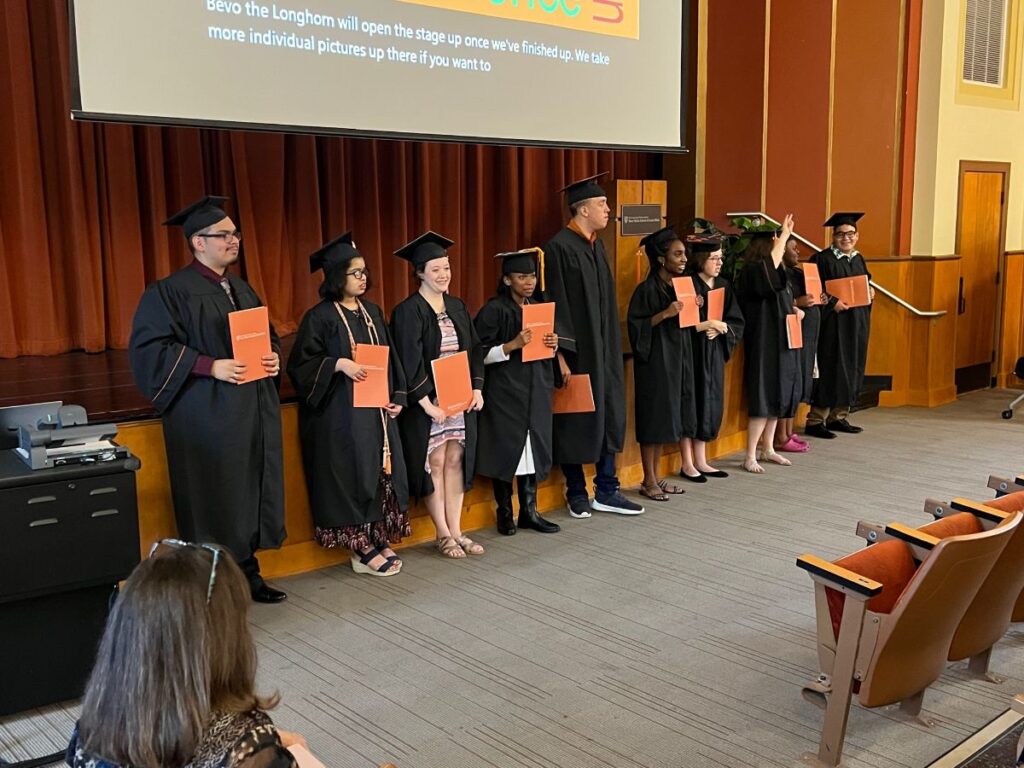
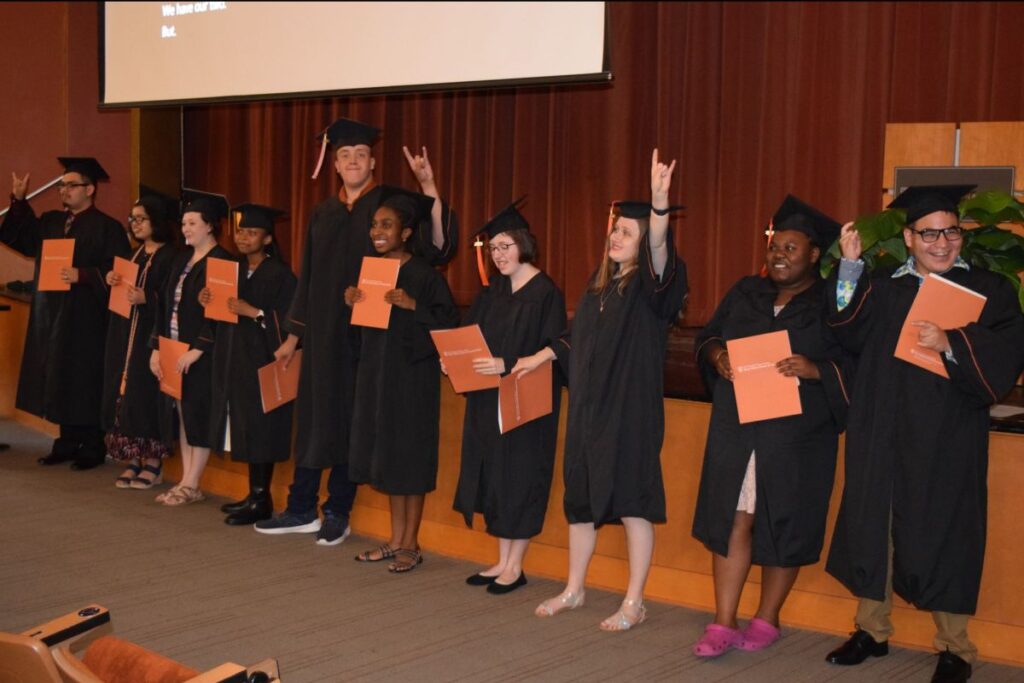
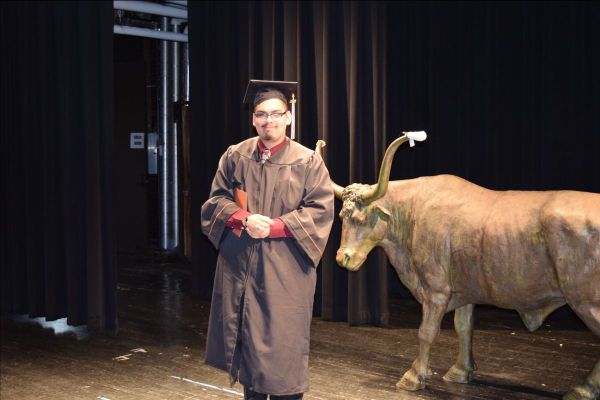
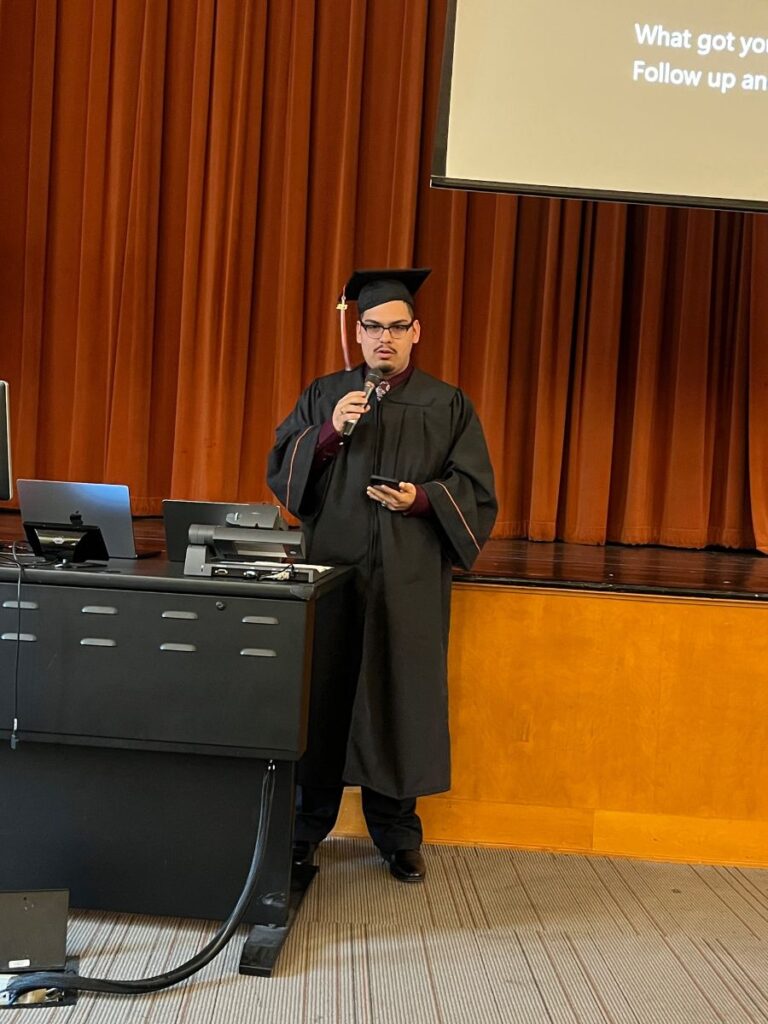
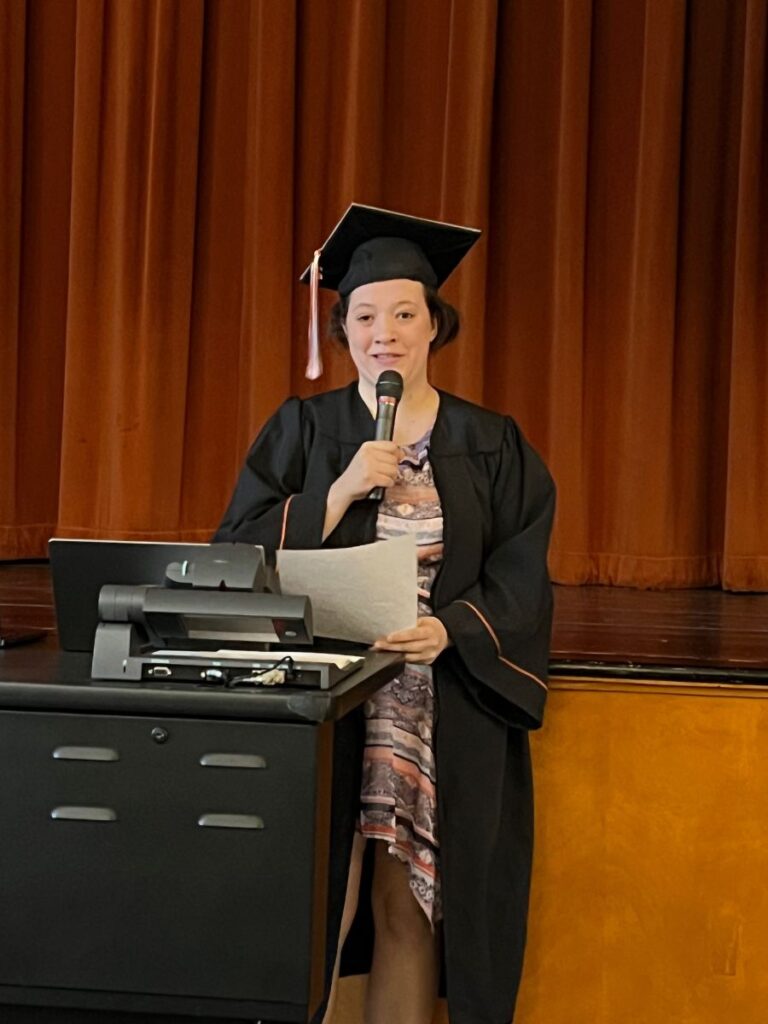
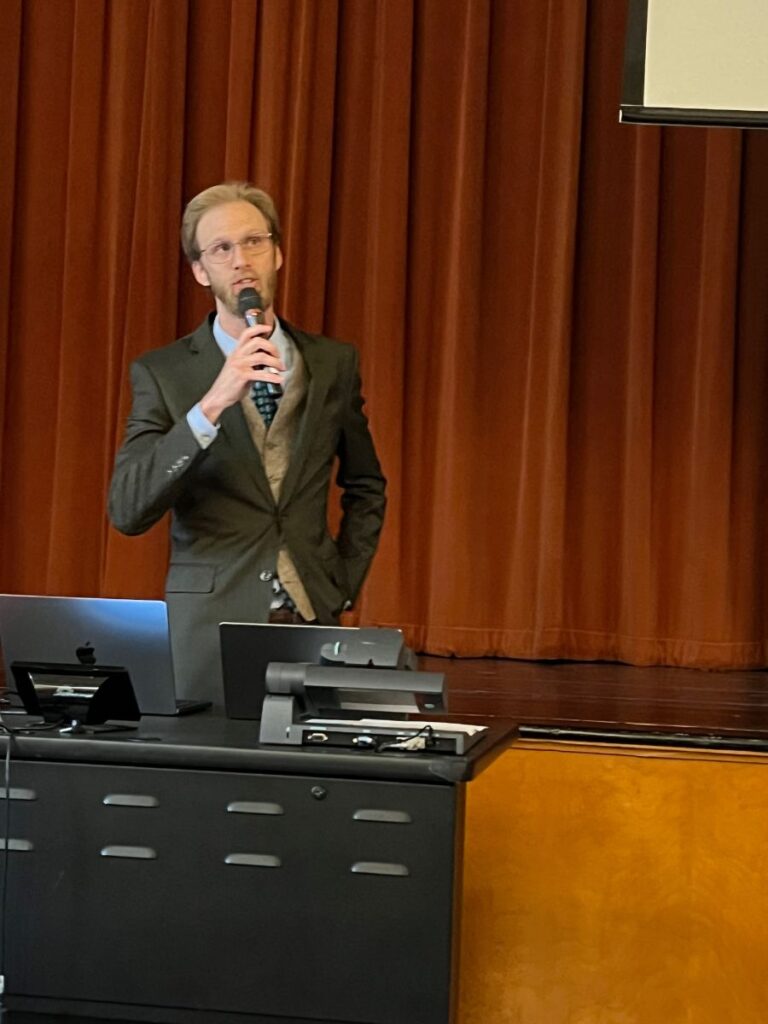
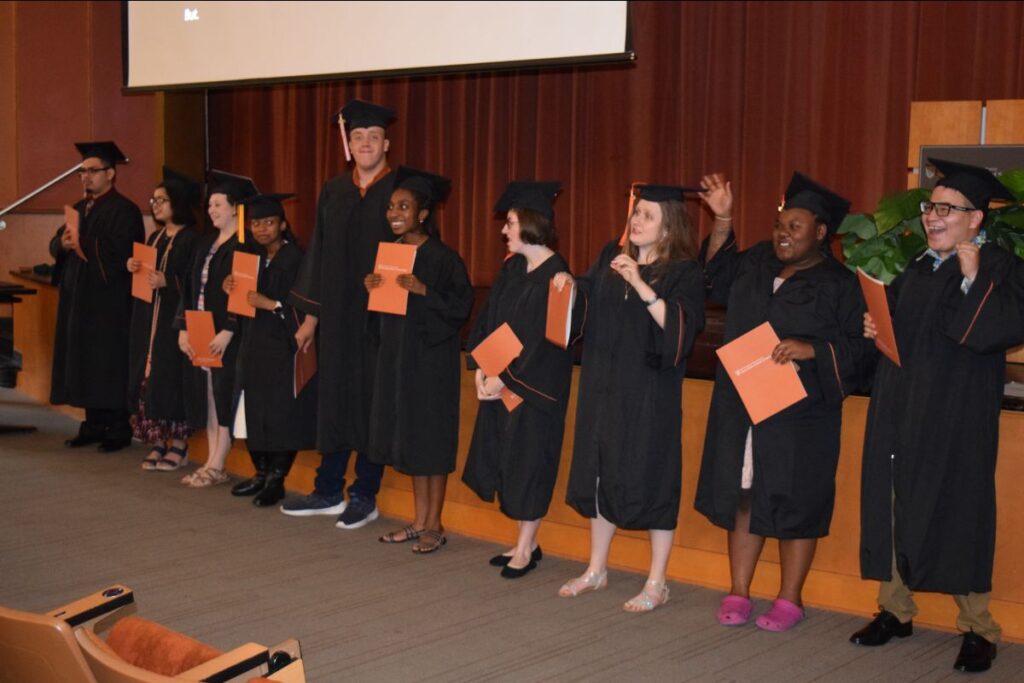
The E4Texas 2022-23 Graduation Ceremony was held on May 13th at the Steve Hicks School of Social Work.  It is with immense pride and joy that we recognize our graduates for their dedication, hard work, and successful completion of the program.

Over the past year, these exceptional individuals have embarked on a transformative journey, acquiring the skills and knowledge necessary to excel in their chosen career track. Through their unwavering commitment and determination, they have demonstrated a dedication to furthering their education and for making a positive impact on the lives of those in need. They have gained invaluable insights into delivering exceptional care, and actively engaged in education for supporting their own independence and well-being.

To the families, friends, and loved ones who have supported our graduates throughout their journey, we express our deepest gratitude. Your encouragement, understanding, and unwavering belief in their potential have played an instrumental role in their success.

Once again, congratulations to the E4Texas 2022-23 graduates! We are immensely proud of your accomplishments and wish you a future filled with continued success, fulfillment, and the satisfaction that comes from making a positive impact on the lives of others. We have no doubt that you will continue to make a profound difference in our community through the lives of those entrusted to your care. As these graduates embark on their careers, we encourage them to embrace new challenges, continuously seek knowledge and growth, and approach their work with pride. We have full confidence that they will be outstanding ambassadors for the E4Texas Program and their chosen career path.

To learn more about the E4Texas Program and the remarkable achievements of our graduates, please visit our website. Stay connected with us on our social media channels, including Facebook, Instagram, and LinkedIn to join us in celebrating their success, and to stay informed about future program updates and events.

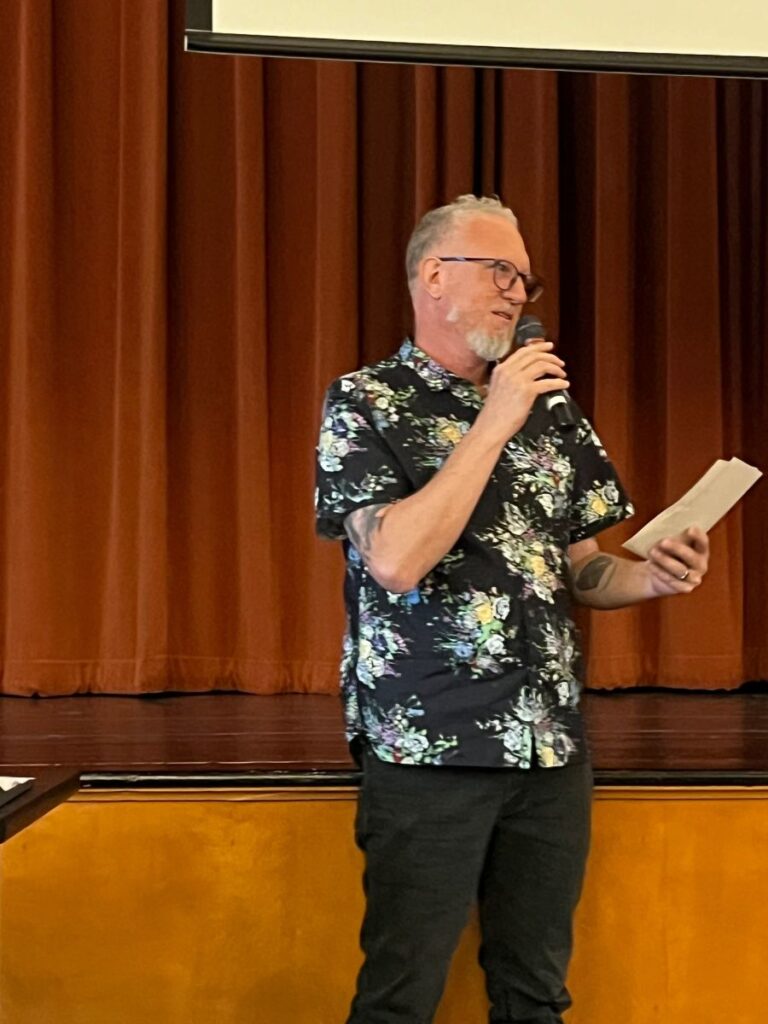
Daniel Myers gives the closing remarks.
The 2022-23 Valedictorian was Alejandro Alvarez.
The 2022-23 Class Salutatorian was Eliana Bautista.
Emily Shryrock provides the keynote address.
Project Coordinator Joe Tate provides the audience with an overview of the program.
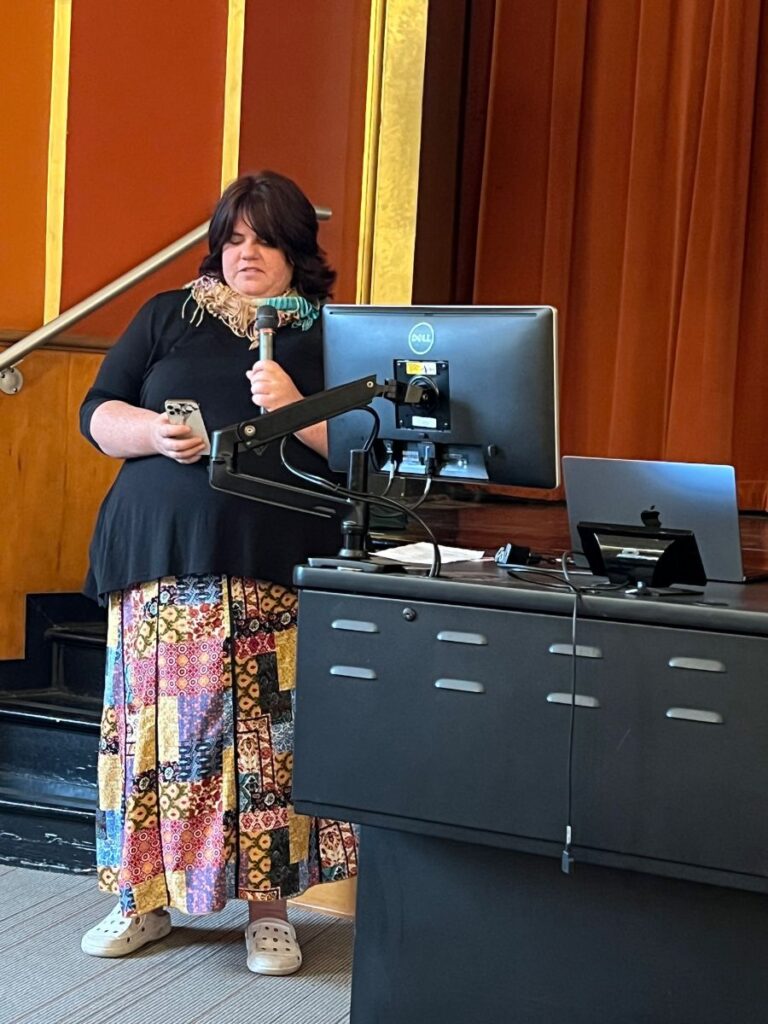
Academic Enrichment Assistant, Meghan Schrader, addresses the crowd. 
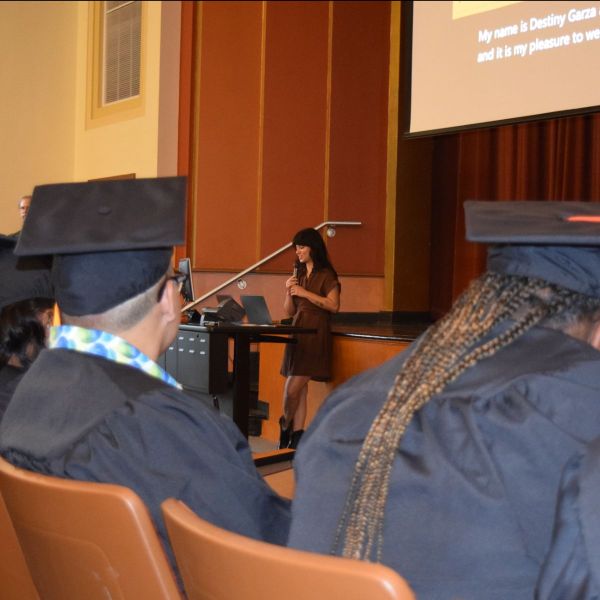
Program Coordinator Destiny Garza welcomes everyone to the ceremony.

May 31, 2023, Filed Under: Uncategorized

Unlocking Your Future: E4Texas – Empowering Abilities for Lifelong Success!

E4Texas Senior Outreach Program Coordinator

Kathleen Hernandez

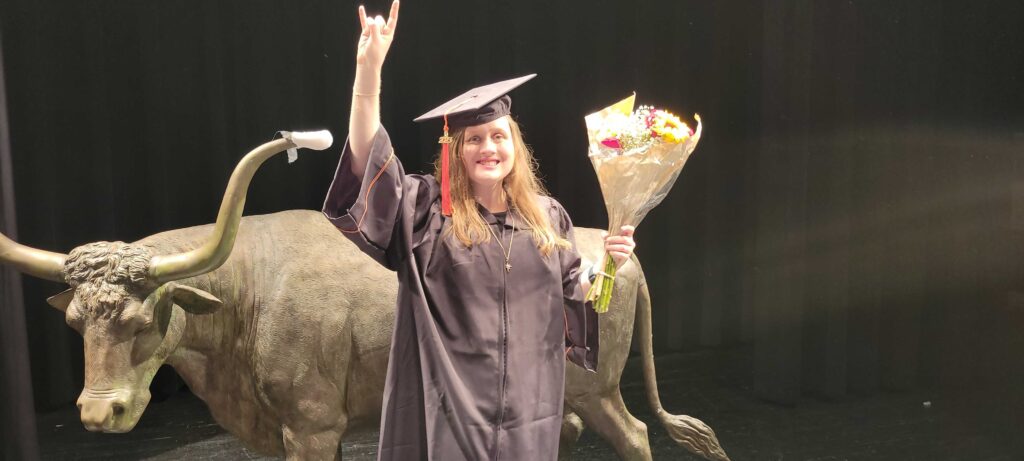
E4Texas Student, female with blonde hair and brown eyes, in graduation cap, smiling.

Picture this: a world where abilities shine brighter than disabilities, where individuality is not only recognized but celebrated, and success knows no limits. That’s precisely the world E4Texas envisions and works tirelessly to create. With its comprehensive vocational training tracks and unwavering commitment to fostering independence, E4Texas is a tuition-based post-secondary opportunity at the University of Texas at Austin for people with or without a disability, who are over the age of 18, who have a high school diploma, and are employment focused. E4Texas stands out as a beacon of hope for ALL individuals seeking a fulfilling career and a life of purpose.

Are you ready to embark on a transformative journey towards independence, personal growth, and a brighter future? Look no further! Welcome to the E4Texas, where dreams become reality, and barriers are shattered. In this post, we’ll walk you through our three-semester program, showcasing its innovative approach, and the extraordinary opportunities offered to our students.

Welcome to E4Texas: The Summer Semester

E4Texas is not your ordinary vocational training program. During our first semester, we’ll set students up for success by developing a foundation of basic skills needed for independent living. Students live in a dorm right on the University of Texas at Austin campus, allowing for an approachable and inclusive environment to develop crucial independent living skills for long-term success. Living on-campus provides an opportunity to develop self-determination skills by engaging in practical experiences, like embarking on outings to learn how to navigate the vibrant city of Austin using public transportation. Students will also attend classes designed to enhance their social and professional skills. This transition to independent living serves as an empowering shift towards self-sufficiency and prepares students for life beyond the program.

Diving Deeper: The Fall Semester

As the vibrant energy of summer transitions into fall, E4Texas students build upon the foundation laid during the summer and are introduced to various career training tracks carefully designed to equip students with the skills and knowledge needed to excel in specific fields. Students can choose to learn about three career tracks: Paraprofessional, Child Care Associate, and/or personal care attendant. Students audit classes on the University of Texas campus, and can demonstrate their knowledge using methods that suit their individual strengths. Tutoring, mentoring services, and access to assistive technology are also available to students if needed, ensuring students have the support and guidance they need to thrive. In addition to classroom hours, this semester students engage in volunteer work with our community partner organizations. Through volunteering, students practice their professional skills, becoming further equipped with the skills needed to succeed.

In the Home Stretch: The Spring Semester

The journey continues during the Spring Semester. During this exciting phase, students have the opportunity to apply their newfound skills and knowledge in real-world settings through internships in the community. This immersive experience allows students to gain valuable hands-on experience, establish professional connections, and solidify their career aspirations while wrapping up their classroom coursework. After successful completion of this semester, students attend E4Texas graduation and receive a Certificate of Completion from the Texas Center for Disability Studies at the University of Texas Austin.

A World of Possibilities

Think of it as a rollercoaster ride of self-discovery, personal growth, and unforgettable memories. Our students will be challenged, inspired, and supported every step of the way. At E4Texas, education is not just about acquiring knowledge; it’s about fostering a sense of belonging, encouraging collaboration, and igniting your inner spark. By completing the program, students not only gain marketable skills and knowledge, but also experience personal and professional transformation. They emerge as capable, confident individuals ready to make a positive impact in their communities. The program sets them on a path towards fulfilling careers, personal growth, and a brighter future.

If you’re ready to embark on an enriching journey of personal and professional growth, consider joining E4Texas and unlock a world of possibilities. Your dreams and aspirations await in this exceptional program that values inclusivity, excellence, and the limitless potential within each individual.

To learn more or submit your application, visit our website.

  • « Go to Previous Page
  • Page 1
  • Page 2
  • Page 3
  • Page 4

Primary Sidebar

Recent Posts

  • Class of 2027’s First Semester at E4Texas
  • Faces of E4Texas: Get to Know Some Students and Staff
  • The E4Texas Summer Adventure
  • E4Texas Internship Spotlight
  • E4Texas: Embracing a New Semester Full of Opportunities!

Footer

  • Email
  • Facebook
  • Instagram
  • LinkedIn

UT Home | Emergency Information | Site Policies | Web Accessibility | Web Privacy | Adobe Reader

© The University of Texas at Austin 2026