Category Archives: All

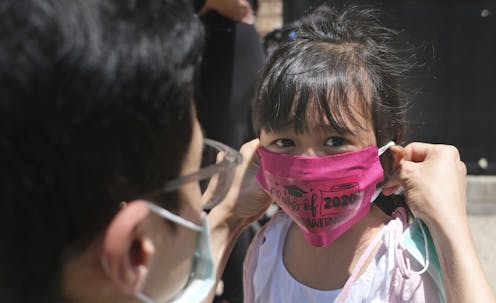
Mask Wearing for Children

Yes, kids can get COVID-19 – 3 pediatricians explain what's known about coronavirus and children

Image from theconversation.com

Oishika Das

All fifty states have imposed mandatory mask requirements in response to the pandemic. However, there has been a lot of variability among states in mask policy for children. In Texas, children under the age of ten are excused from mandatory mask use, while in Massachusetts only babies under the age of two are exempt. So at what age should children start wearing masks, and how beneficial is it for them anyway? 

According to the CDC, children over the age of two should wear a mask to help prevent the spread of COVID-19. However, babies younger than two years of age should refrain from wearing masks due to a potential suffocation risk. Instead, it is recommended that parents protect their babies by wearing masks themselves and ensuring safe social distancing when in public. 

John Hopkins reports that COVID-19 has less serious health outcomes in children than in adults, but recent studies show that kids are still capable of spreading the disease to more vulnerable populations. Therefore, it is important that parents ensure their children are wearing masks when around anyone they don’t live with. 

Mask wearing might be new and potentially scary for some children, so parents can take the following steps to make their kids more comfortable with the concept: 

  • Draw a mask on their favorite cartoon characters, or put a mask on their stuffed animals.
  • Allow them to choose a colorful, patterned mask, or have them decorate their own to make wearing a mask fun.
  • Teach them how to properly put on and take off a mask, and allow them to practice until they feel confident.
  • Explain the importance of mask use before asking them to put on their mask.

Wearing masks is equally important in children as in adults and has become the new normal during the pandemic. With proper guidance and communication from parents, mask wearing for kids can become a lot less scary and maybe even fun! 

https://www.cdc.gov/quarantine/masks/mask-travel-guidance.html

https://www.healthychildren.org/English/health-issues/conditions/COVID-19/Pages/Cloth-Face-Coverings-for-Children-During-COVID-19.aspx

https://www.dukehealth.org/blog/why-children-should-wear-face-masks
Screen Fatigue

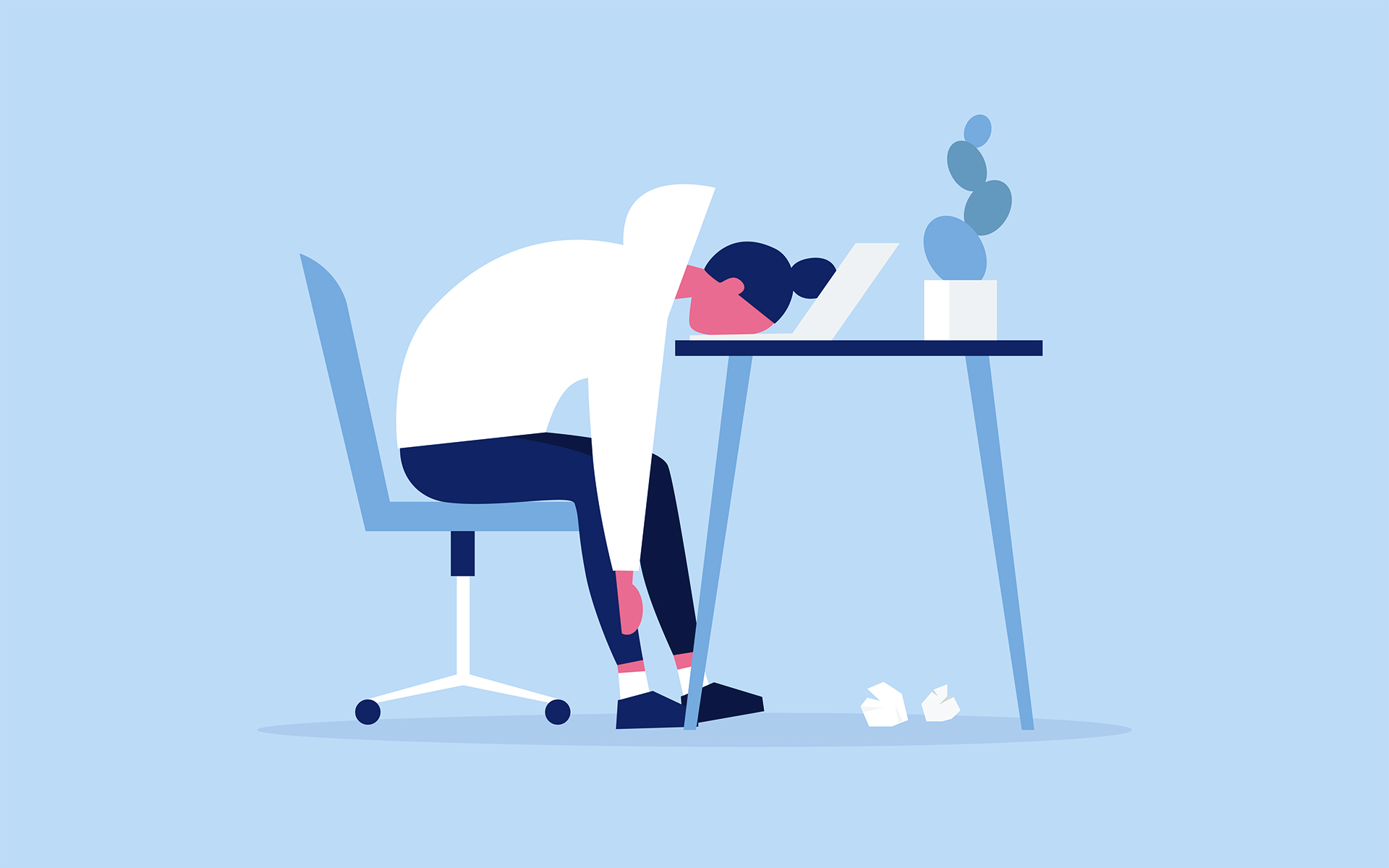
Zoom Exhaustion is Real. Here Are Six Ways to Find Balance and Stay  Connected - Mindful

Image from mindful.org

Prachi Shah

In recent months, millions of people around the world began using online video conferencing software for everything from business meetings to classes to weddings. While Zoom and other video chat programs have been invaluable in allowing our schools, businesses, and communities to continue operating in some fashion during the pandemic, many individuals are now beginning to point out the exhaustion they feel at the end of the day following several hours spent on camera. This phenomenon has come to be known as “video conference fatigue,” and social scientists say that there are a number of reasons why we may be experiencing this novel source of stress.

In-person, human communication has evolved over thousands of years, and while we often think of spoken language as the key to communication, studies have shown that more than half of our communication comes from intonation and nonverbal cues such as face and body position. Moreover, conversational aspects such as timing are vital to having a fluid, natural interaction and are so ingrained that even newborn babies show signs of this synchrony in their interactions. Video chat may disrupt this synchrony and the perception of nonverbal cues since there is often a split-second lag between a speaker and the listeners. Since video calls usually only feature someone from the shoulders up, aspects of nonverbal communication such as posture might be more difficult to perceive. 

In person, periodic, short sections of eye contact are considered a vital part of any interaction, as it’s been shown to play an important role in the participants getting feedback from and establishing a comfortable level of intimacy in the conversation. On video chat, each participant must make a choice between providing eye contact to another person (by looking directly into the camera) or receiving eye contact from another person (by looking at the screen where their video is streaming), which might contribute to feelings of screen fatigue. 

Some tips from experts for limiting video conference fatigue:

  1. Schedule time in between meetings when you can turn off the camera, stretch, and take time for yourself to help you recharge.
  2. Turn off the feature where you can see yourself, which takes away the need for you to spend your mental energy gauging how you look to others.
  3. Establish a consistent routine and a standard place where you work, and keep it separate from areas and times when you are relaxing.

All-day video calls can be exhausting, but being deliberate about how to incorporate these into one’s daily work using these and other tips can help combat video conference fatigue as we go through the next few months virtually.

https://www.businesstopia.net/communication/verbal-vs-non-verbal-communication#:~:text=The%20study%20showed%20that%20nonverbal,other%207%25%20from%20words%20said.

https://www.jstor.org/stable/1127968?seq=1&mod=article_inline#metadata_info_tab_contents

https://www.jstor.org/stable/2786027

 https://news.northeastern.edu/2020/05/11/zoom-fatigue-is-real-heres-why-youre-feeling-it-and-what-you-can-do-about-it/

Boosting your Immune System with Sleep

13 Tips To Help You Sleep When You're Sick (Complete Guide)

Image from naturalform.com

Emily Samson

Whether staying up late at night to get some work done or watching an extra hour of TV, most of us have sacrificed getting a well-rested night of sleep to stay up a little longer. A study from the CDC found that more than a third of Americans do not get enough sleep regularly. For many of us, sleep is not a priority, but it is more important than we think. Sleep is not just a way to feel rested. It is an essential function for both mental and physical health, especially when it comes to your immune system. 

The immune system is your body’s defense against harm from bacteria, viruses, and toxins. While sleeping might not be the first thing you think of when it comes to keeping your immune system healthy, there is a strong link between getting enough sleep at night and having a healthy immune system. When you sleep, your body releases proteins called cytokines, which play a role in supporting an immune response. With chronic sleep loss, your body creates less cytokines, reducing the ability to respond to infection.

So how much sleep do you need to reap the immune system benefits? While sleeping requirements vary slightly from person-to-person, it is recommended that most healthy adults get between seven to nine hours of sleep a night. However, it’s not only the time length of sleep that matters but also the quality of sleep. Key signs of good quality sleep are falling asleep in 30 minutes or less, waking up no more than once per night, and being asleep 85 percent of the time you are in bed.

With flu season coming up and the coronavirus still being a threat, it is more important than ever to have a strong immune system, and one thing you can do to give it a boost is sleeping. Even if you do end up getting sick, a well-rested body is much more prepared to get you back on your feet.

https://www.sleepfoundation.org/articles/how-sleep-affects-your-immunity

https://www.cdc.gov/media/releases/2016/p0215-enough-sleep.html

https://www.sleepfoundation.org/articles/5-signs-your-sleep-quality-poor-and-how-fix-it Continue reading Boosting your Immune System with Sleep