Category Archives: All

Routine Use of Sunscreen: Good for all skin types?

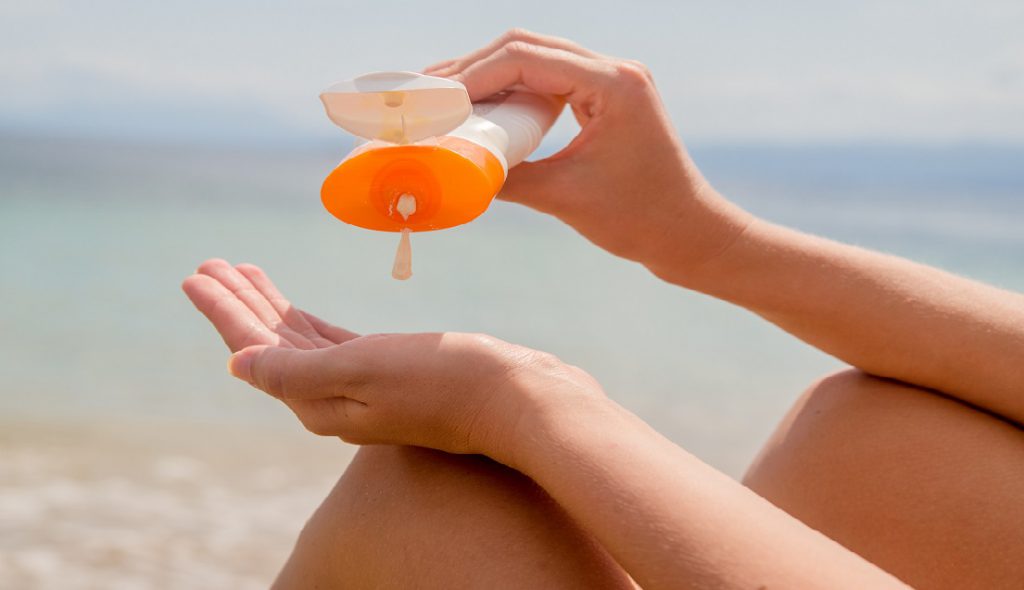
Image result for sunscreen on skin

Photo from The Skin Cancer Foundation

Andrea Hernandez

Exposure of the skin to sunlight has both benefits (increased vitamin D) and potential harms (skin cancer). A public health recommendation was made that both light and dark complexioned people should wear sunscreen for any exposure to the sun. This recommendation is used as part of promotional messaging by the companies that make and market sunscreen. This strict approach is open to debate. And it’s also unclear that it applies to all skin types.   

In a New York Times article “Should Black People Wear Sunscreen?” Pierre-Louis tackles the public health recommendation that everyone–regardless of skin variation, age, and gender–needs to wear sun protection. She specifically talks about the recommendation that dark-skinned people should wear sunscreen, pointing out the scarcity of research done on dark-skinned individuals to determine the relative benefits and harms. A randomized clinical study found that the four active ingredients found in sunscreen, avobenzone, ecamsule, octocrylene, and oxybenzone, are absorbed into the blood stream of healthy volunteers that exceeded Food and Drug Administration limit. The potential downsides of absorption of the active ingredients in sunscreen into the circulation are unknown.

It’s not clear that people with lots of natural melanin benefit from routine use of sunscreen in any amount of sun exposure. Melanin is a molecule that works like sunscreen. It absorbs and deflects UV rays. More research is merited before recommending routine use of sunscreen for any amount of sun exposure in people with greater melanin in their skin. 

Sources:

https://www.nytimes.com/2019/07/26/us/black-skin-sunscreen.html?utm_campaign=MDSC_FY18-19_Newsletter_N2K_08062019_EML&utm_medium=email&utm_source=Eloqua

https://jamanetwork.com/journals/jama/fullarticle/2733085?guestAccessKey=e1ad4492-fe70-4f53-970d-d63bfa1cdccd

https://www.healthline.com/health/beauty-skin-care/fitzpatrick-skin-types#what-it-means

http://www.bananaboat.com/sun-safety/faq/why-do-some-people-tan-and-others-burn
 

Do Emergency Room Visits Increase During a Full Moon?

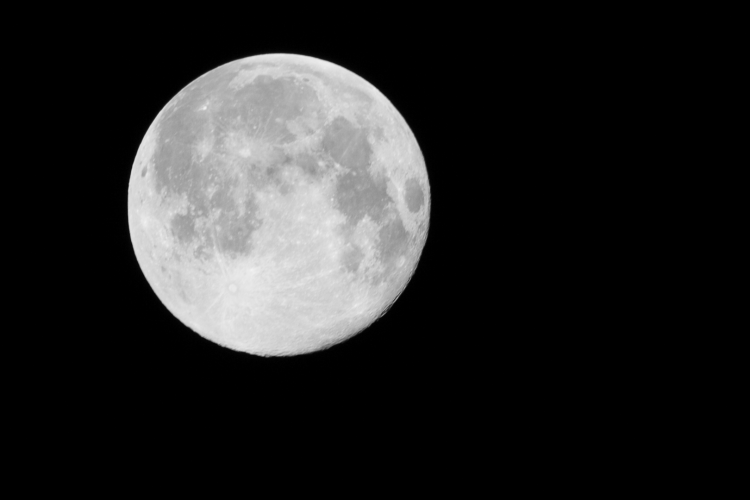
Image result for full moon

Photo from Time and Date

Nicole Kell

Many clinicians believe there may be more emergency room visits during a full moon. Some refer to this phenomena as “full moon madness”.  World Journal of Surgery published the results of a survey in 2011 that found “more than 40% of medical staff believe that lunar phases can affect human behavior, even though most studies find no direct correlation between the full moon and hospital admission rates.”

These types of false associations are a common consequence of the human mind’s skill at rationalization and pattern formation. It is why humans invented science: we need objective measurement to be sure we are not fooling ourselves or being fooled by others. This association has been addressed in several published studies, with the majority, and in particular those with better data, showing no association.  

https://thedo.osteopathic.org/2015/10/full-moon-madness-in-the-er-myth-or-reality/

https://www.ncbi.nlm.nih.gov/pubmed/15166467

Why Vaccines are Safe

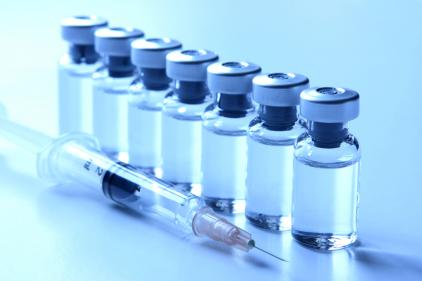
Image result for vaccines

Photo from FDA

Inki Lee

Decades of hesitancy about vaccines have lowered vaccination rates leading to a recent resurgence in measles.  Measles is a highly contagious disease. In 2000 it was declared eliminated from the United States because none of the 86 diagnosed cases documented resulted in transmission.  While the early history of vaccination was a bit spotty, it’s modern application represents one of the most successful public health interventions in history.  

Hesitancy regarding vaccines is undoing this good work. A common concern is exposure to mercury from the use of thimerosal, which is a preservative. Studies have found that ethylmercury, which is the mercury source in thimerosal, is broken down and excreted from the body very quickly. There are no credible links between thimerosal and harm. Nevertheless, to assuage concerns, there are now thimerosal-free vaccine options.

Formaldehyde is used to inactivate the virus and neutralize bacterial toxins so that vaccines don’t cause sickness. Formaldehyde can cause cancer when there is exposure to large quantities over a long period of time. Formaldehyde is a normal human metabolite and is naturally present in the human body in small amounts. The amount of formaldehyde present in vaccines is unlikely to affect natural formaldehyde levels.

Aluminum is added to vaccines to make them more effective in smaller doses. Some people wonder if  long-term exposure to aluminum may result in disease. Aluminum is ever-present. It is in the food and water we consume. Aluminum has been used safely in a wide variety of products for a long time. It seems unlikely that the relatively small amount of aluminum used in vaccines will have much influence on health.

There are concerns that the use of antibiotics and gelatin in vaccines could trigger an allergic response. Since antibiotics are removed during the vaccine purification process, there are only trace amounts left after production; too little to cause an allergic reaction. 

The amount of gelatin in vaccines varies with each vaccine, from 0.0015 mg on the low end to 14.5 mg on the high end. If gelatin allergies are a concern, alternatives and exemptions are available.  The rate of severe allergic reaction to gelatin in a vaccine is estimated to be fewer than one in every two million vaccinations.  

The odds of a severe allergic reaction to antibiotics in vaccine are estimated at one in a million. For context, the odds of being struck by lightning in one lifetime is 1 in 3,000.

Vaccines are safer than many of the products that we use or consume on a daily basis. The risk of harm from the diseases these vaccines limit or prevent outweighs all known risks including possible exposure to chemicals.

https://www.verywellhealth.com/vaccine-additives-and-preservatives-2633691

https://www.publichealth.org/public-awareness/understanding-vaccines/goes-vaccine/

https://www.healthline.com/health/vaccinations/opposition#results