Category Archives: All

The Toilet May Not Be the Dirtiest Thing in Your House

Image result for cleaning cell phone

Photo from Digital Trends

Shreya Thiagarajan

Most people are quick to point to the toilet as being the “dirtiest” thing in their houses. After all, it comes in contact with bodily excretions, so it must house the most bacteria, right?

Studies show that it may actually be your cell phone that is the dirtiest item you own. It is estimated that your cell phone is likely home to ten times more bacterial colonies than the toilet seat is, one study showing that the typical cell phone has nearly 1500 bacterial “hotspots” compared to only around 200 on a toilet. You may think, “a toilet seat probably has more dangerous or infectious bacteria because it has more exposure to bodily fluids.” However, one in six smartphones have come into contact with fecal matter, and several strains of harmful pathogens like Streptococcus (responsible for strep throat), E. coli, and MRSA (antibiotic resistant Staph) have been discovered on phone screens as well. 

The smartphone may be much dirtier than a toilet because it is carried nearly everywhere and comes into contact with several different surfaces, including your own face. It is also not cleaned as often as a toilet seat may be. This gives bacteria in contact with the phone screen the opportunity to accumulate and spread to other surfaces. To keep your phone clean, it is recommended that you wipe the screen with microfiber cloth sprayed lightly with an antimicrobial solution weekly to prevent excessive bacterial growth! 

https://time.com/4908654/cell-phone-bacteria/

https://yourhealth.augustahealth.org/2018/11/07/fact-your-cell-phone-is-dirtier-than-a-toilet-seat/

https://phys.org/news/2019-03-smartphone-dirtier-toilet.html

https://www.rd.com/home/cleaning-organizing/germs-toilet-seat/
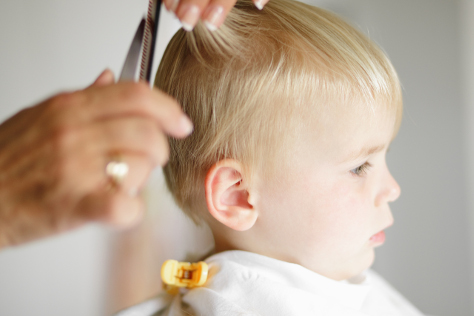
 

A baby’s first haircut

Image result for baby haircut

Photo from Bounty

Andrea Hernandez

Parents may be told by their elders not to cut their baby’s hair before their first birthday in order to improve hair health. This is unhelpful advice. Genetics determines hair qualities and this is not influenced by a trim.

Genes determine specific characteristics of hair such as texture and thickness. Other factors that influence hair texture and thickness include hormones, specific medications, and chemicals like hair relaxers. Hair is also affected by chemotherapy treatment. Chemotherapy harms both cancerous and healthy cells like rapid growing cells found in hair. As the chemotherapy drugs leave our body and hair regrows, hair color, texture, and thickness can change, but these changes are not permanent.

Cultural practices regarding cutting hair vary. For instance, Mongolians believe a child’s first haircut should occur at a later age, between the ages of two and five depending on the lunar new year. Muslims believe a baby’s first haircut should occur within a week of being born to signify they are cleansed. 

There is no best time when you should cut a baby’s hair. As a parent you decide what you prefer for your child, and one of these decisions is determining when to have your child’s first haircut. 

https://ghr.nlm.nih.gov/primer/traits/hairtexture

https://healthcare.utah.edu/the-scope/shows.php?shows=0_3tcvsb6o

https://youaremom.com/babies/babys-first-haircut-information/

https://www.babycenter.com/404_when-can-my-baby-get-a-haircut-at-a-salon_1368499.bc

https://www.nbcnews.com/healthmain/chemo-curls-another-kink-cancer-recovery-1C9386921

https://www.fatherly.com/health-science/first-haircut-rituals/

https://www.naturallycurly.com/curlreading/health-beauty/the-science-of-chemo-curls

The Practice of Oil Pulling for Oral Hygiene

Image result for oil pulling

Photo from Fashionista

Vandana Dubakula

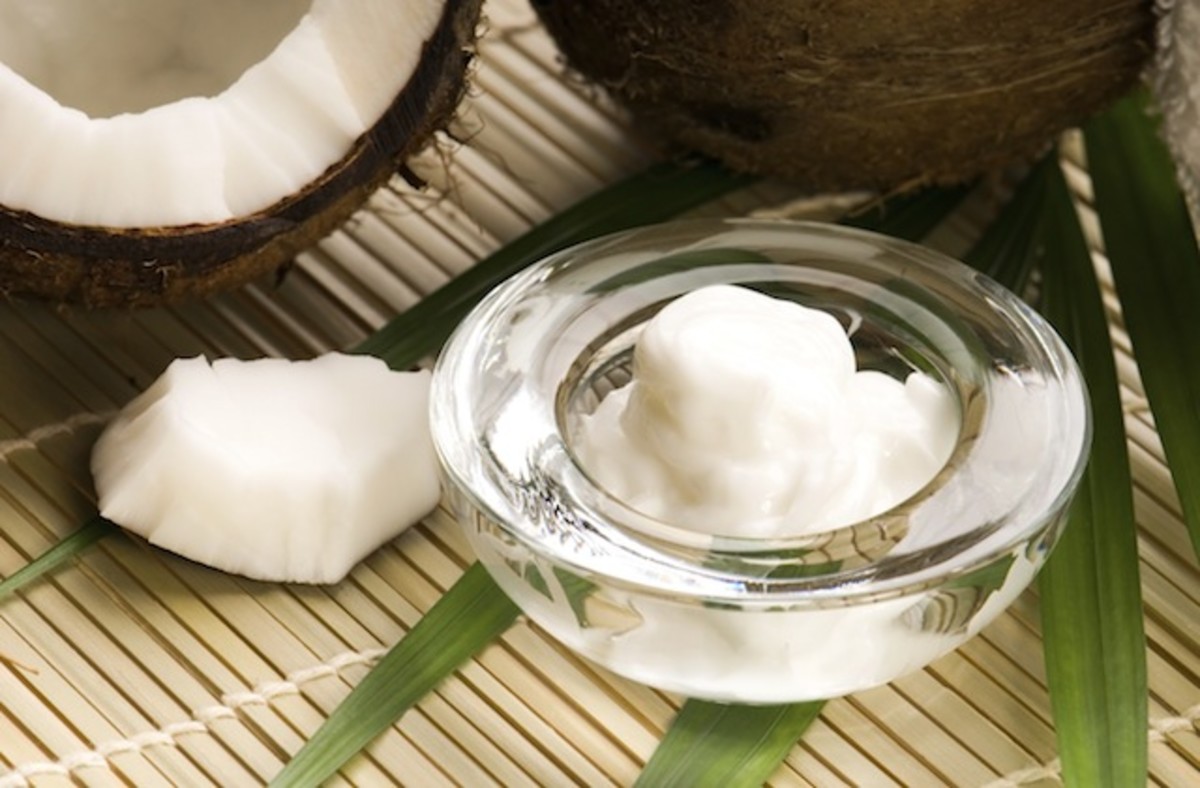
Coconut oil is a long-standing part of the hair- and skin-care regime in many cultures. It is used to keep the skin and hair moisturized, and is regarded by some as reducing inflammation. The characteristics of coconut oil, specifically the fatty acid chains, have antimicrobial properties that are imagined to protect the skin. More recently, it is suggested to benefit oral health. Derived from India, the practice of “oil pulling” involves swishing a tablespoon of coconut oil around in the mouth. The description “pulling” is associated with claims that this practice “pulls” unhealthy bacteria from the mouth.

         Support for this practice comes from online testimonials from people that swishing oil for 5 to 20 minutes can reduce bad breath, limit cavities, and improve gum health. Proponents of this theory suggest that the oil activates salivary enzymes in the mouth which then absorb  toxins from the blood. But toxins cannot pass from the blood through the mouth via swishing oil. Another theory is that swishing coconut oil moisturizes the teeth and gums which reduces inflammation and prevents bacterial build-up, but that also seems far-fetched.

         A thoughtful consideration of oil pulling reminds us to think twice when it comes to health claims. Health is important, and we all want it to come easily through simple passive strategies such as swishing oil. Your best health comes from healthy habits that you work towards: health intact, healthy activity, healthy mindset, and healthy circumstances.  

https://www.medicalnewstoday.com/articles/323757.php

https://www.nature.com/articles/sj.bdj.2018.281

https://sciencebasedmedicine.org/oil-pulling-your-leg/

https://www.ncbi.nlm.nih.gov/pmc/articles/PMC5198813/