Category Archives: All

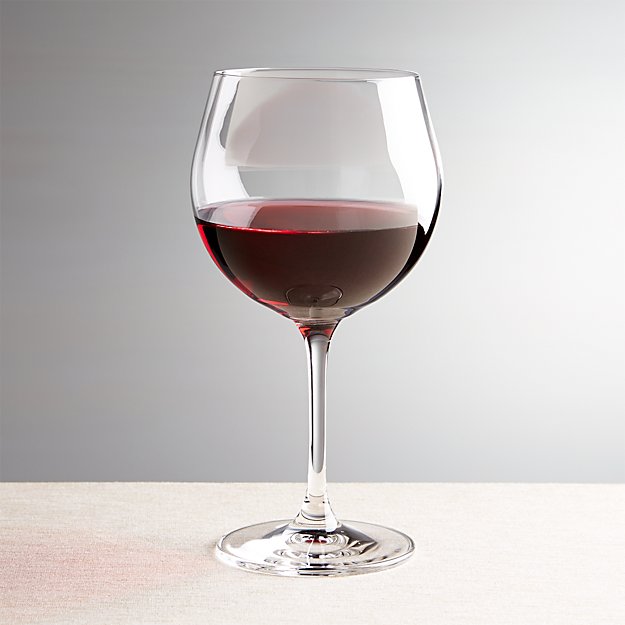
Is Red Wine Actually Heart Healthy?

Image result for red wine

Photo from Crate and Barrel

Vandana Dubakula

It is a widely held notion that red wine is healthy for the heart. The links between red wine and a decreased number of heart attacks aren’t fully understood. Regardless, there are some doctors that think red wine prevents plaque build-up and decreases the risk of heart disease. But exactly how valid are these statements? And how much wine is necessary to get the benefits while not risking liver damage and the other harmful effects of alcohol?

One theory regarding red wine and its positive impacts on the heart is that substances in the wine (such as resveratrol) are  healthy for the heart. Resveratrol is an antioxidant that has been suggested to protect the lining of blood vessels thus hindering coronary blockages and conditions that cause heart attacks. Some research indicates that there may be a correlation between resveratrol and lower risk of heart disease but none of them are definitive.

If you’re thinking about adding red wine to your nightly routine in the name of health, be informed not just about the benefits but also the risks of drinking alcohol. Despite red wine’s potential in leading to better health, wine is still an alcohol and should be consumed cautiously. Those who are pregnant, have liver or pancreas disease, or have a history of alcoholism should avoid drinking entirely, while healthy adults should drink red wine in moderation. That means limiting yourself to one glass a day if you choose to follow the hype and start drinking red wine.

https://www.mayoclinic.org/diseases-conditions/heart-disease/in-depth/red-wine/art-20048281

https://news.usc.edu/134536/yes-its-true-wine-is-good-for-you-but-dont-drink-too-much-alcohol/

https://www.everydayhealth.com/longevity/is-red-wine-good-for-you.aspx

Eating a placenta

Image result for stork carrying baby

Photo from Motionisland

Victor Liaw

The placenta nurtures and protects the fetus as it develops in the mother’s womb. Once the child is born, the placenta is no longer needed. Some mothers in the United States have recently become fascinated with placentophagy: the practice of eating the placenta after childbirth. It’s a trend that has become more popular over the past decade.

Most mammalian mothers eat the placenta. It’s speculated to be either for nutrition or to mask evidence of childbirth from potential predators. By contrast, human placentophagy is unusual. One exception to this historical trend is in traditional Chinese medicine, in which dried human placenta is thought to help with exhaustion. This practice is cited by modern placental consumption proponents.

The placenta can be eaten dehydrated, raw, or even cooked as a meat substitute for  lasagna or pasta. The most prevalent method of consumption is in pill form. In a process known as encapsulation, the placenta is cleaned, dehydrated, ground up, and placed in capsules. Encapsulation is a service that private companies can provide for a few hundred dollars, but it can also be done at home.   

People eat the placenta in the hope that it will aid with hormone balance, decrease the incidence of postpartum depression, increase energy, speed healing after childbirth, increase lactation, and increase intake of micronutrients. However, most scientists agree that there is no proven benefit from eating human placenta. Research on this relatively taboo subject is very limited, and most scientific studies on the alleged benefits of placentophagy are self-reports instead of experiments. Self-reports are subject to potential bias when mothers who already have positive expectations and beliefs report a good response.

Although the benefits of placental consumption are doubtful, the risk of side effects from this practice are also very low. The CDC recently described a case of Group B strep infection in a young infant after coming into contact with his mother’s placenta pills. Currently, there is no standard for processing and preparing placenta to ensure it is bacteria-free. Therefore, though it may be easy to find favorable testimonials supporting placentophagy, it is not recommended by doctors and scientists.  

https://www.afterbirthanywhere.com/benefits-of-placentophagy.html

https://www.ajog.org/article/S0002-9378(17)30963-8/fulltext

https://www.cdc.gov/mmwr/volumes/66/wr/mm6625a4.htm

https://www.washingtonpost.com/news/to-your-health/wp/2017/10/18/dont-eat-your-placenta-researchers-warn/?noredirect=on&utm_term=.2511dbfde40e

Is it Possible for Your Period to Sync Up With Your Best Friends?

Image result for calendar

Photo from DRC_Calendar

Nicole Kell

Most women have experienced having the same period schedule as their friends. You have probably heard that all the hours you spend together caused your menstrual cycle to sync up. However, there is no scientific evidence based on chemicals or hormones to support this theory. Obstetrician-gynecologist Lynn Simpson explains that proximity cannot change cycle timing or frequency of periods because they simply do not work that way. There is however, a mathematical explanation to why your period might match up with a roommate or close friend. Dr. Simpson explains, “Over time, a woman who has a three-week cycle and another who has a five-week cycle will eventually see their periods coincide and diverge again.” Women who live together for at least a year, are bound to have overlapping cycles a few times. It’s just coincidence of our cycle lengths.

There are other factors that affect menstrual cycles such as birth control pills, stress, chronic illness, and eating disorders. Birth control pills alter the levels of progesterone and estrogen that control and manipulate when a women will have her period, if at all. Stress over life or work caused by constant anxiety and worry can cause a woman’s period to be earlier or later than normal. Living with a chronic illness, having constant health problems and/or taking certain medications can also cause irregular menstrual cycles. Lastly, eating disorders such as anorexia or bulimia or highly restrictive control over caloric intake can impact menstrual cycles.

Even though many women may experience a connection with their close friends or roommates, it seems to be simply a coincidence when their periods happen to sync up.

https://health.clevelandclinic.org/myth-truth-period-really-sync-close-friends/

Do Women’s Periods Really Sync Up When They Spend Time Together?

https://verilymag.com/2017/11/do-womens-periods-sync-up-menstrual-synchronization