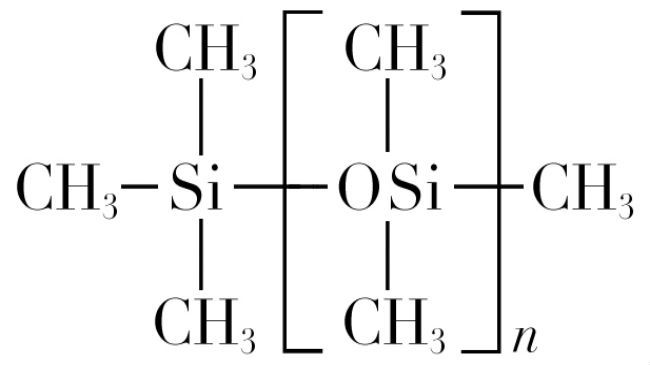
Dimethicone

Image result for dimethicone

Photo from Naturally Curly

What is Dimethicone and is it safe?

Dimethicone is a type of silicone which is commonly used in cosmetics, hair care and skincare products. It helps products glide over the skin and helps keep the ingredients mixed together. This produces a silky-smooth texture. It also helps fill in pores and fine lines while creating a matte finish on the skin. This can be useful in camouflaging breakouts and redness. Dimethicone is often used as an ingredient in moisturizers to prevent or to treat dry skin and minor skin irritations.

There is some speculation as to whether or not dimethicone causes acne in those with acne-prone skin. However, the evidence to support this claim is mostly anecdotal and is not supported by studies. Human and animal clinical trials of dimethicone indicate that it did not cause irritation when applied to the skin. While this is not the same as acne, it is worth noting that dimethicone is non-comedogenic and forms a vapour permeable barrier on the skin. This means that it is not totally occlusive. 

It is possible to have an allergy to Dimethicone. If you experience redness or swelling when using products that contain this ingredient, you should discontinue use and speak to your dermatologist. 

https://hellogiggles.com/beauty/what-is-dimethicone-in-cosmetics/

https://www.vogue.co.uk/article/skincare-ingredients-what-is-dimethicone

https://toxnet.nlm.nih.gov/cgi-bin/sis/search/a?dbs+hsdb:@term+@DOCNO+1808

https://www.aad.org/media/news-releases/–small-changes-in-skin-care-routine-can-significantly-improve-skin-affected-by-acne-and-rosacea

https://www.vogue.co.uk/article/skincare-ingredients-what-is-dimethicone
The Toilet May Not Be the Dirtiest Thing in Your House

Image result for cleaning cell phone

Photo from Digital Trends

Shreya Thiagarajan

Most people are quick to point to the toilet as being the “dirtiest” thing in their houses. After all, it comes in contact with bodily excretions, so it must house the most bacteria, right?

Studies show that it may actually be your cell phone that is the dirtiest item you own. It is estimated that your cell phone is likely home to ten times more bacterial colonies than the toilet seat is, one study showing that the typical cell phone has nearly 1500 bacterial “hotspots” compared to only around 200 on a toilet. You may think, “a toilet seat probably has more dangerous or infectious bacteria because it has more exposure to bodily fluids.” However, one in six smartphones have come into contact with fecal matter, and several strains of harmful pathogens like Streptococcus (responsible for strep throat), E. coli, and MRSA (antibiotic resistant Staph) have been discovered on phone screens as well. 

The smartphone may be much dirtier than a toilet because it is carried nearly everywhere and comes into contact with several different surfaces, including your own face. It is also not cleaned as often as a toilet seat may be. This gives bacteria in contact with the phone screen the opportunity to accumulate and spread to other surfaces. To keep your phone clean, it is recommended that you wipe the screen with microfiber cloth sprayed lightly with an antimicrobial solution weekly to prevent excessive bacterial growth! 

https://time.com/4908654/cell-phone-bacteria/

https://yourhealth.augustahealth.org/2018/11/07/fact-your-cell-phone-is-dirtier-than-a-toilet-seat/

https://phys.org/news/2019-03-smartphone-dirtier-toilet.html

https://www.rd.com/home/cleaning-organizing/germs-toilet-seat/


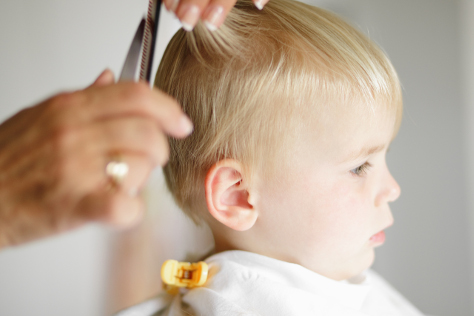
A baby’s first haircut

Image result for baby haircut

Photo from Bounty

Andrea Hernandez

Parents may be told by their elders not to cut their baby’s hair before their first birthday in order to improve hair health. This is unhelpful advice. Genetics determines hair qualities and this is not influenced by a trim.

Genes determine specific characteristics of hair such as texture and thickness. Other factors that influence hair texture and thickness include hormones, specific medications, and chemicals like hair relaxers. Hair is also affected by chemotherapy treatment. Chemotherapy harms both cancerous and healthy cells like rapid growing cells found in hair. As the chemotherapy drugs leave our body and hair regrows, hair color, texture, and thickness can change, but these changes are not permanent.

Cultural practices regarding cutting hair vary. For instance, Mongolians believe a child’s first haircut should occur at a later age, between the ages of two and five depending on the lunar new year. Muslims believe a baby’s first haircut should occur within a week of being born to signify they are cleansed. 

There is no best time when you should cut a baby’s hair. As a parent you decide what you prefer for your child, and one of these decisions is determining when to have your child’s first haircut. 

https://ghr.nlm.nih.gov/primer/traits/hairtexture

https://healthcare.utah.edu/the-scope/shows.php?shows=0_3tcvsb6o

https://youaremom.com/babies/babys-first-haircut-information/

https://www.babycenter.com/404_when-can-my-baby-get-a-haircut-at-a-salon_1368499.bc

https://www.nbcnews.com/healthmain/chemo-curls-another-kink-cancer-recovery-1C9386921

https://www.fatherly.com/health-science/first-haircut-rituals/

https://www.naturallycurly.com/curlreading/health-beauty/the-science-of-chemo-curls