UT Works in the Wild!

As I sit down to reflect on the journey we’ve embarked on with UT Works, I am filled with a sense of pride and accomplishment. Last month, we successfully replaced an obsolete mainframe software system with a modern, cloud-based solution. This new system, UT Works, is already having a significant impact on our operations.

The thing that is note-worthy to me personally is that this is the first program of this size and scope that I had a chance to be an Executive Sponsor of with our Chief Operation Officer, Jim Davis. It was an amazing experience getting to see our teams work toward such an ambitious goal. It gives me significant hope for our future modernization efforts.

The launch of UT Works is the culmination of two years of collaboration and planning across multiple University units. This new system is helping our team members enhance mission-critical projects, provide data for capital improvements, and streamline workflows. For instance, you may have noticed facilities’ team members now using iPads to manage their work — a clear sign of our transformation from outdated applications to innovative technological solutions.
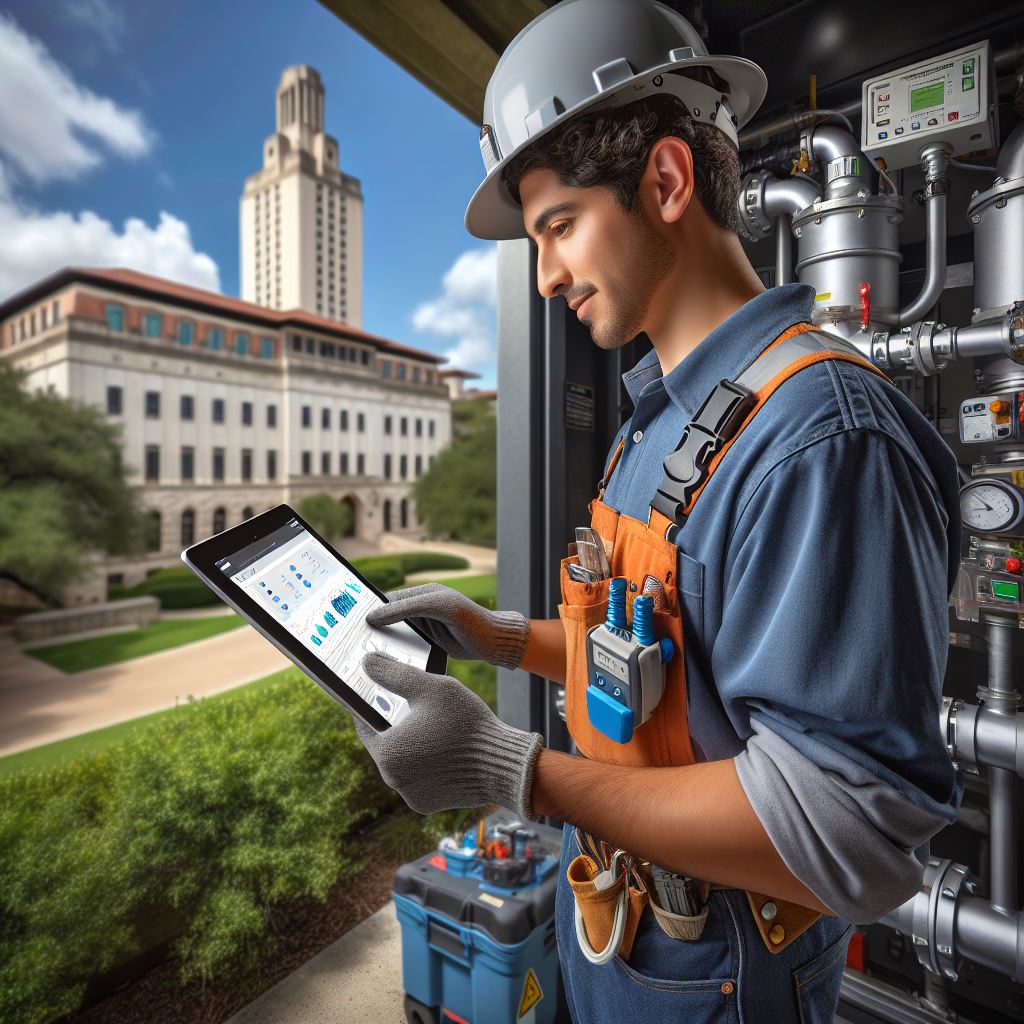
UT Works worker using iPad to fix a problem.

The feedback we’ve received about the system has been incredibly positive, from frontline workers to project managers. One team member shared, “Learning and discovering UT Works together has been an incredible team-building experience, bridging the old and new!” Another mentioned, “The ability to take and view pictures of parts and equipment greatly aids in identifying necessary items for maintenance.” And one more added, “I love that both minor and major projects can be managed seamlessly in the same platform!”

The success of UT Works is a testament to the sheer number of determined people working in Business and Financial Services; Facilities Services; Planning, Design and Construction; University Housing and Dining; and Utilities and Energy Management. These team members worked with the UT Works technical team, UT Enterprise Technology, and the vendor to design a system that will meet the University’s future needs.

Operational excellence is the foundation of our work together, and this project is a shining example of that. I encourage everyone to recognize our colleagues across the University for successfully implementing this milestone. And if you see a member of our operational team in the field, give them a shout-out. Together, these great stewards of the University make this place run.

For those involved in this transformation, thank you for being part of this incredible journey. I want to continue to build on this success and strive for even greater achievements in the future. We have the team in place and our campus partners are lining up for the future.

The Heroes of Holiday Breaks

Each year as the holidays approach, our campus becomes quieter. Students head home, faculty and staff enjoy a well-earned break, and the hallways of our buildings are momentarily still. But behind the scenes, something else is happening—our teams are hard at work.

Holiday breaks are a critical time for IT across campus. While many of us take time off to recharge, these dedicated professionals are upgrading systems, performing maintenance, deploying new features, and addressing the work that can’t be done during the busier semesters. They use the quiet of these breaks to carry out essential tasks that keep our digital infrastructure secure, up-to-date, and ready for the return of students, staff, and faculty.

Think about all the technology we rely on every day—the networks that connect us, the systems that enable our research, the learning platforms that bring classes to life. During the semester, these systems must be always on, always accessible. There’s no room for downtime when thousands of people depend on them. That makes holiday breaks the perfect opportunity for IT to do the behind-the-scenes work that ensures everything runs smoothly.

I was invited to the Winter Break IT Maintenance Coordination meeting today and was happy to see that it was a much broader group than just our teams in Enterprise Technology. On the call were many of the College IT directors whose buildings and customers will be directly impacted by all the planned work. At other places I have worked, we did meetings like this each year, but they were mainly for us to coordinate internally. It was a very nice surprise to see our campus-wide colleagues in the meeting giving feedback, taking notes, and sharing ideas.

Teams meeting in progress.

The team shared dozens of projects that they will be engaged in over the break, giving our campus partners the time and space to ask questions and provide feedback. One of the things I like about this meeting is that it levels the playing field in a way that gives all the critical information we need to do our jobs well.

To our IT colleagues: thank you. Thank you for your dedication, for working when others are resting, and for making sure the technology we depend on is reliable and ready. The holiday season may be a time of rest for many, but it’s also a time of incredible effort and teamwork for you. And for that, we are deeply grateful.

So, as you enjoy your break, spare a thought for the people working behind the scenes to make it all possible. Here’s to the IT teams—working through the quiet to support the future.

From Connection to Transformation

If I allow myself to think back a couple of years, the shift happened over the course of that first real year of the pandemic. What started in the spring of 2020, shifted into high gear that summer — those of us who have been leading the charge for the use of technology in teaching and learning had our moment. It wasn’t how we imagined it would arrive, but it happened none the less. Everyone was forced to rapidly adopt technology just to keep the wheels turning. What was amazing was how quickly everyone just did what was needed with a relatively open mind.

The pandemic forced us to implement the world we had been imagining for a couple of decades overnight. In those uncertain times, technology became the lifeline, connecting educators and learners from their homes to virtual classrooms. Tools like Zoom, Teams, and Canvas weren’t just platforms; they were bridges that sustained education when in-person learning was impossible. I’m not sure we got to what we had hoped for all those years, but the need was obvious, and the focus was clear: connection.

In the earliest days of the pandemic, we did some “social listening” across the country and what we learned was that during that first spring semester, students were both terrified of what was happening from a health perspective, but also they were mourning the lack of real world connectedness to get the work of being a student completed.

While we worked to answer questions, how do we ensure students stay engaged, teachers can deliver lessons, and institutions continue functioning in a world suddenly upended? What we really sought to do was build meaningful connections, so everyone felt more supported and hopefully engaged.

Fast forward a few years, and the narrative has shifted. While the need for connection remains real, the emphasis today seems to be shifting toward personal productivity, efficiency, and enhanced learning. The same tools we forced into service to overcome the lack of connection and that kept us afloat are now evolving into catalysts for transformation.

Take artificial intelligence, for example. During the pandemic, technology primarily enabled remote access to education. Today, tools like ChatGPT and Copilot are driving the post pandemic shifts we are watching. They’re not just supporting education—they’re reshaping it. Consider the shift in how meetings are held, content is created, and progress is tracked automatically through AI meeting participants. In 2020, the priority was getting people into virtual rooms. In 2024, faculty and students alike are turning to AI in ways that I am not sure would have been possible without the 18-month technology adoption crash course that the pandemic provided.

We are seeing it in how learning tools are struggling to remain relevant in a world that is becoming increasingly reliant on AI. Video conferencing tools are now paired with real-time collaboration software and AI-powered insights. Classrooms can no longer be just good at organizing students and connecting people; they need to inspire innovation and bring an extra layer of intelligence to the discussion. If these tools are placed into the learning environment in an appropriate way, they become an active participant in the teaching and learning environment. The rooms can take notes, provide additional context, record key thoughts, and be the scribe while active learning can take place. We wouldn’t have gotten to this level of thinking without the adoption efforts and the open-mindedness toward technology that emerged during the pandemic.

The journey from connection to transformation underscores the immense potential of technology to accelerate the transformation of teaching and learning. For someone like me, this is one of the most exciting moments of my career, and I am excited to be here for it.

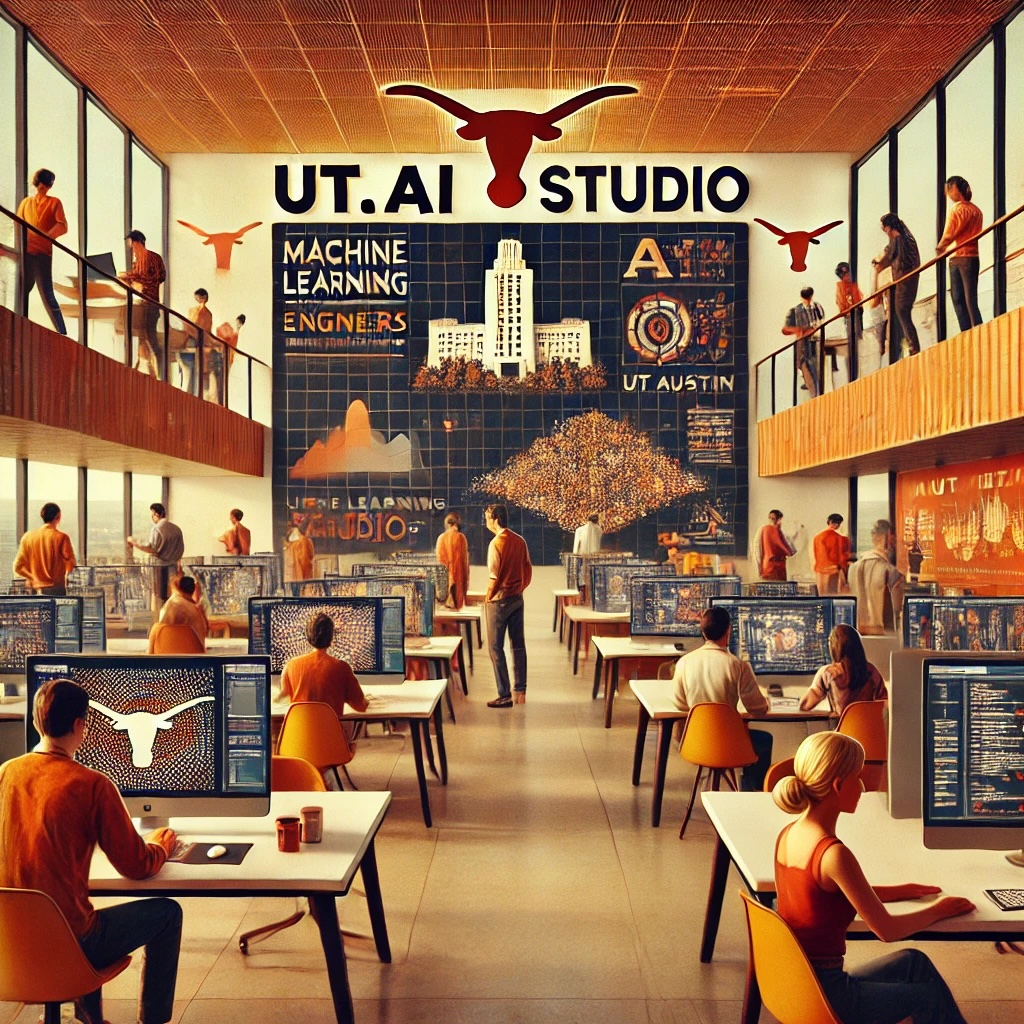
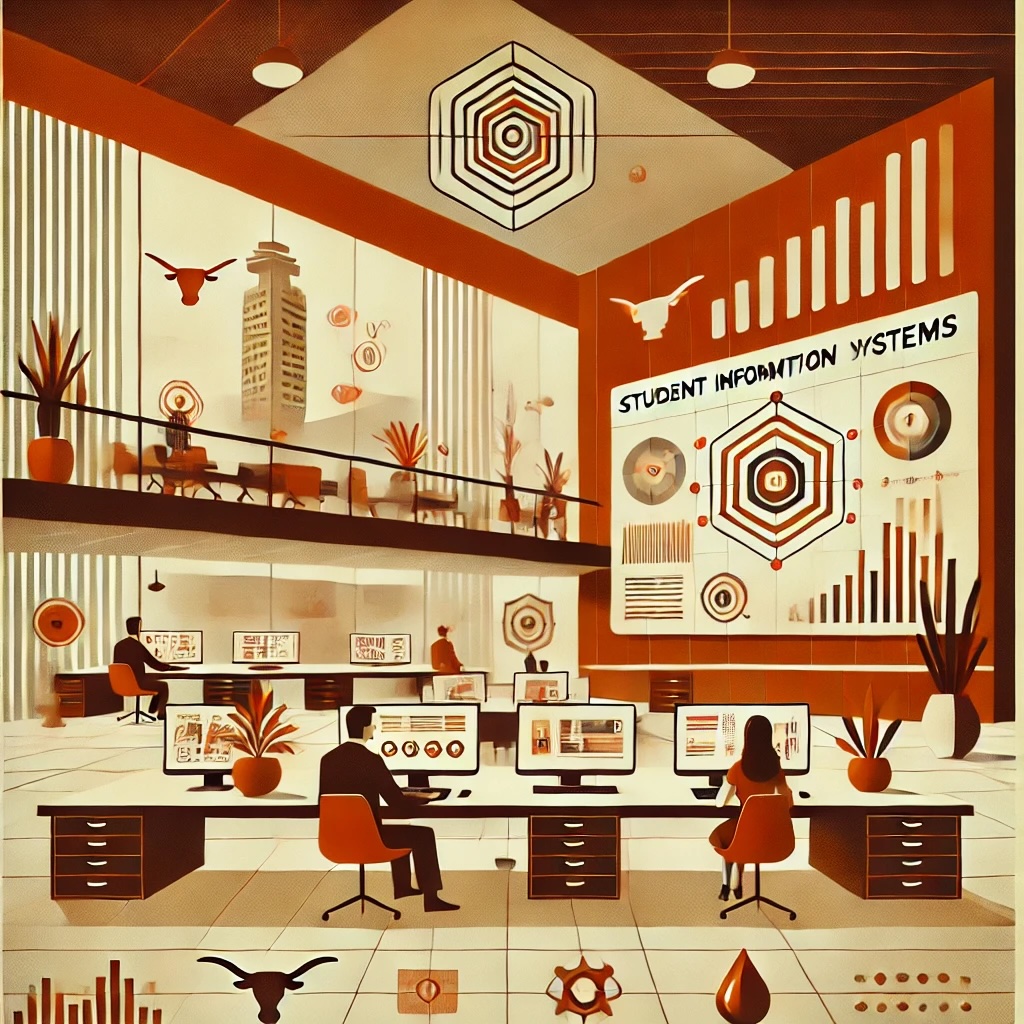
Mid Century UT Enterprise Technology

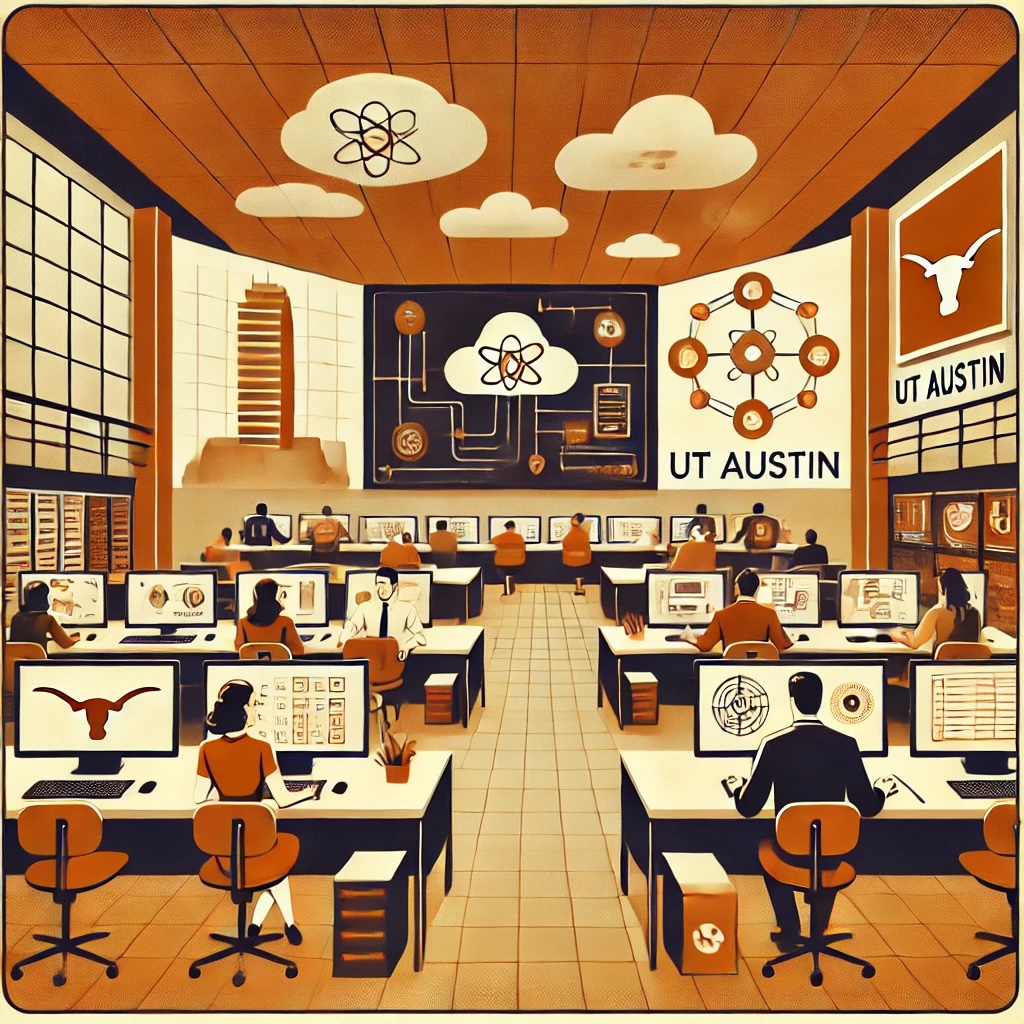
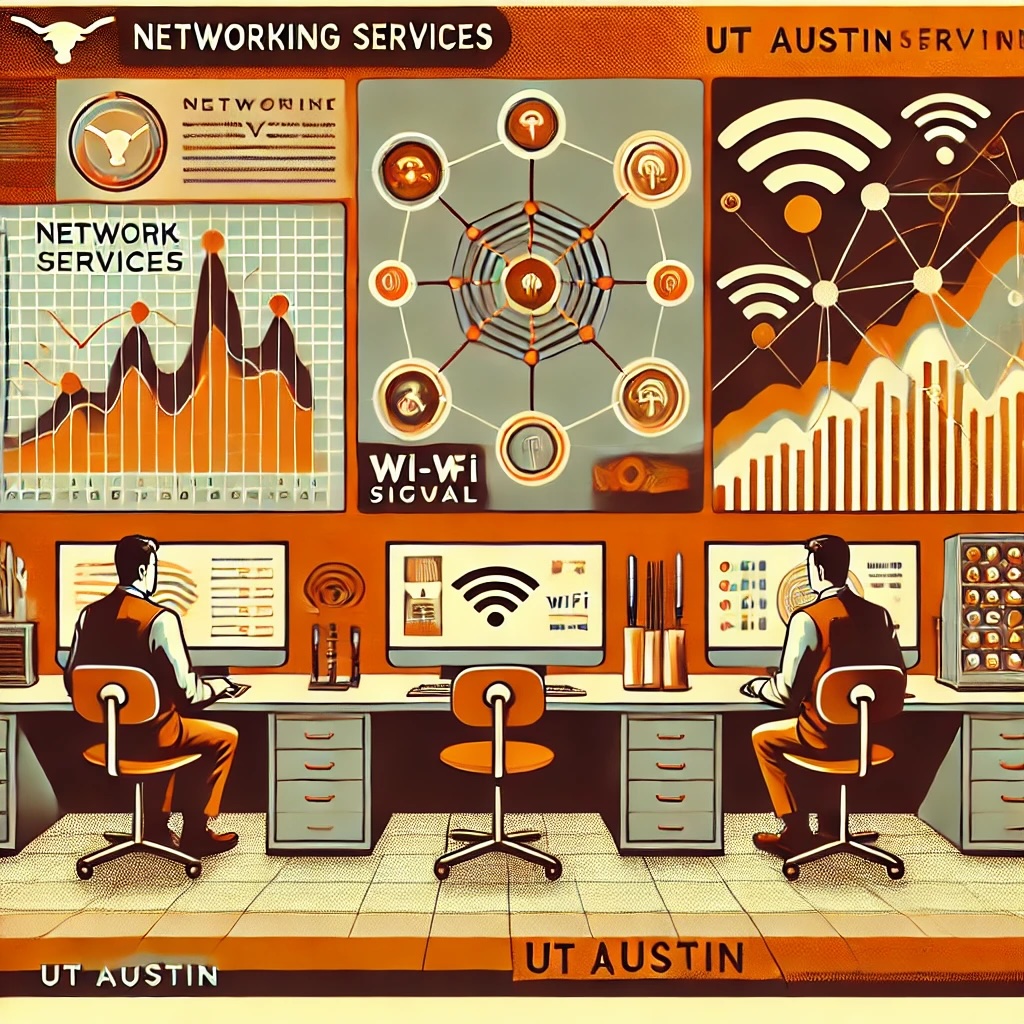
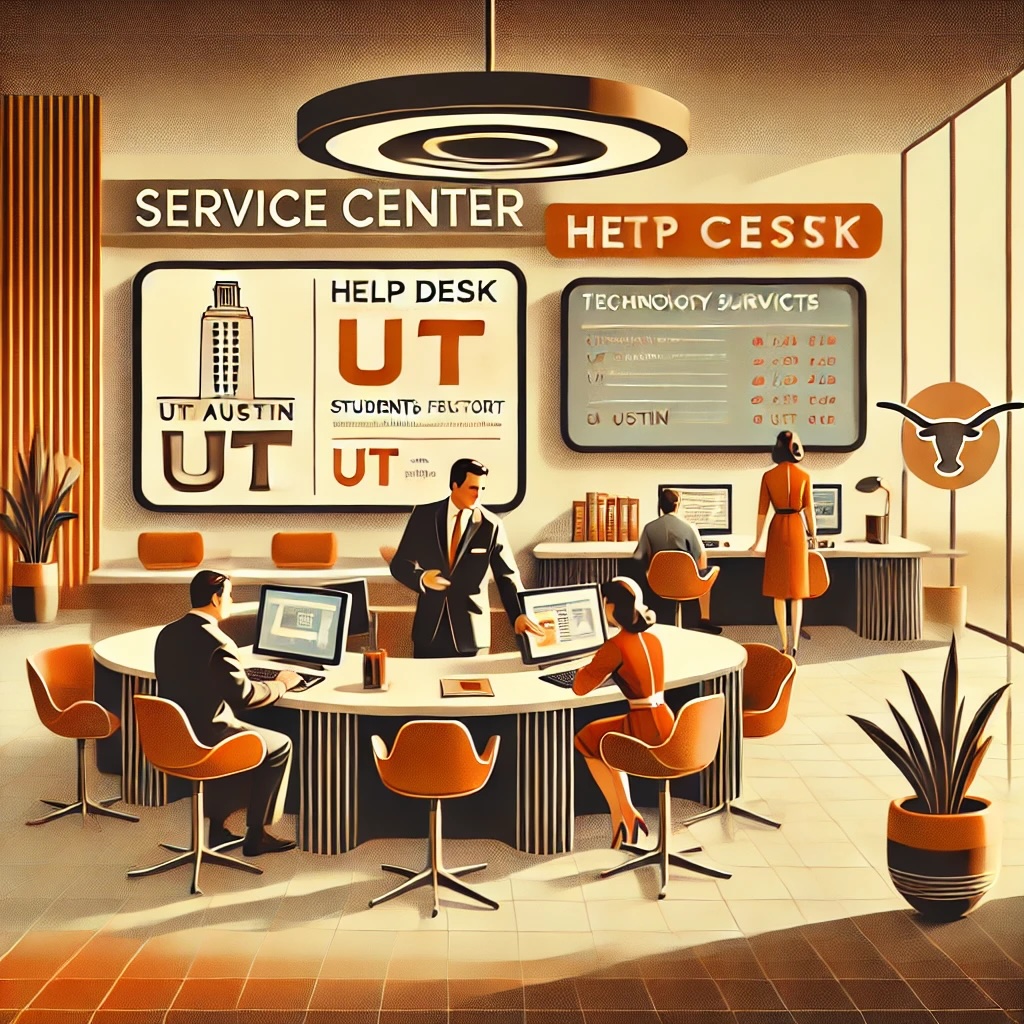
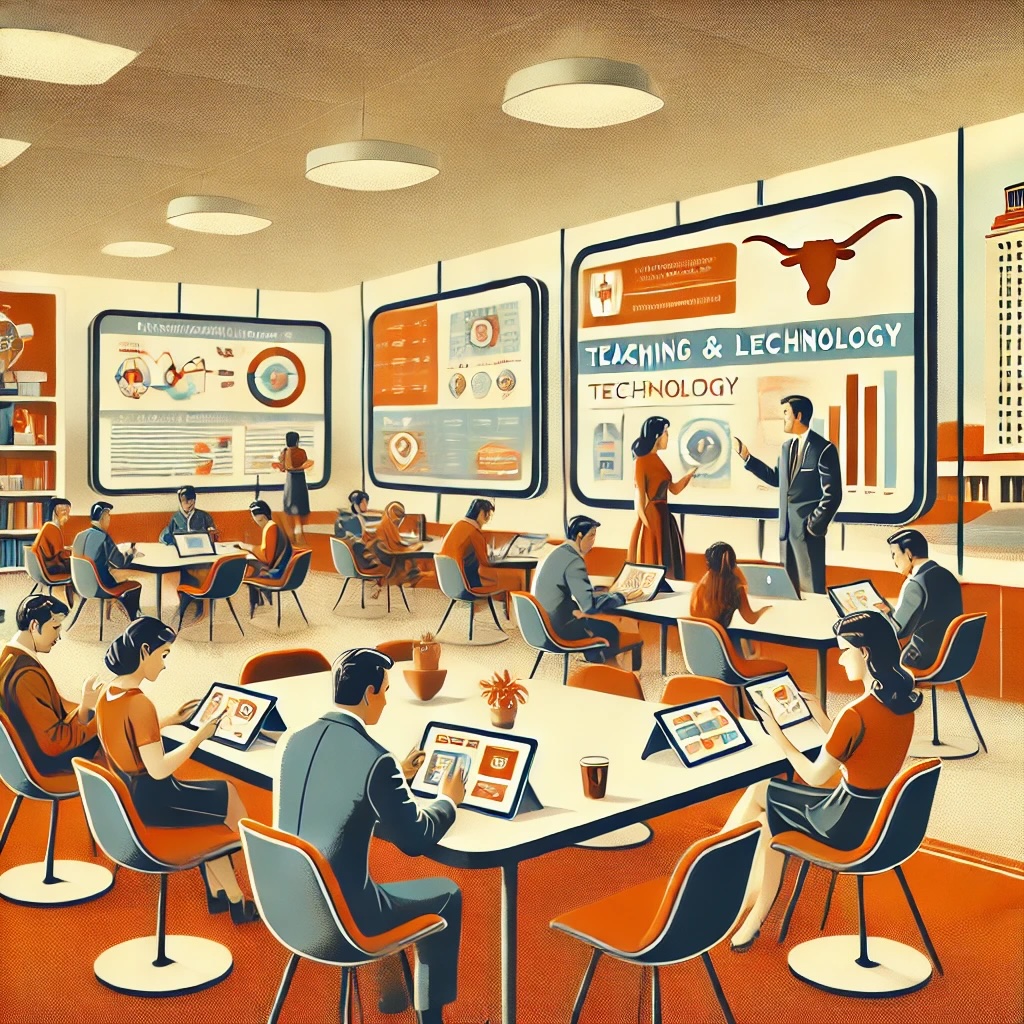
I am not sure what it is about the UT brand that makes me think about the mid-century modern aesthetic. Maybe it is the overall color palette, or some of the rooms I have seen while working in Main. Whatever it happens to be, I really like the vibe of these images that I generated while working on a presentation. I needed some images that spoke to the overall scale of our work and for some reason the AI chose to zero in on this look. I used DALL•E to describe a bunch of styles, but when I stumbled onto this look and feel, I asked it to make one for each part of our org. I love the Mad Men vibe that some of them throw off.

AI Live Reflection

Reflecting on the AI Live event hosted by the College of Natural Sciences at UT Austin last week, I am struck by the sense of community and collaboration that permeated the event. The gathering was a testament to our collective curiosity and commitment to exploring the vast potential of artificial intelligence within our unique context. I applaud Dean David Vanden Bout, Melissa Taylor, and the entire team that made this event a true celebration to cap off the Year of AI at UT.

One of the most memorable moments for me was witnessing the enthusiasm of the students. During Sal Kahn, founder of Kahn Academy, spoke the excitement was palpable as students waited in the hall to get in. It is a reminder of the thirst for knowledge and the drive to be part of discussions that will define our future. It was inspiring to see such a diverse group of individuals come together, united by a shared interest in AI and its implications. I loved his personal reflection on his journey to bring knowledge to everyone, everywhere. It was a reminder of the power of the Internet and its ability to create impact at scale.

Sal Kahn speaking.

The event itself was a tapestry of learning opportunities, spanning various tracks from research to health to ethics. It was a celebration of how AI intersects with different facets of our lives and how it can be harnessed to address complex challenges. The sessions were not just informative but also deeply engaging, sparking conversations that extended beyond the scheduled times.

What stood out to me was the collaborative spirit that defined the event. It wasn’t just about the presentations or the panels; it was about the interactions and the shared insights. The AI Live event was a microcosm of what we strive for in our roles – fostering an environment where innovation thrives through collaboration and where every voice can contribute to the dialogue.

Looking back, I am reminded of the importance of creating spaces where ideas can flourish and where the community can come together to explore new frontiers. It really reminded me of the early days of my career and the events we held at Penn State. Those small gatherings that turned into the TLT Symposium where we would routinely host over 500 faculty and staff to discuss innovations in the use of technology to support teaching and learning is what specifically comes to mind. The AI Live event, like the TLT events from PSU, was more than just a symposium; it was a celebration of our collective potential and a glimpse into the future we are building together. It reinforced my belief in the power of community and the incredible things we can achieve when we come together with a shared purpose.