By Angela Fraioli, PhD Student in the UT Government Department
This summer, I had the privilege of completing a two-month long internship for the National Democratic Institute (NDI) in Pristina, Kosovo. This experience greatly developed my academic and professional careers and was incredibly useful so early on in my doctoral degree. As I reach the conclusion of this experience, I feel gratitude for the many communities that have welcomed me, pride for the work I’ve completed during my time here, and excitement for the many ways in which I will apply what I have learned from this experience to my studies, professional career, and personal life.
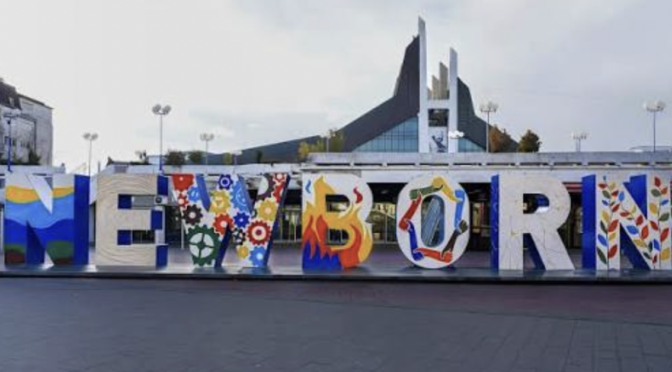
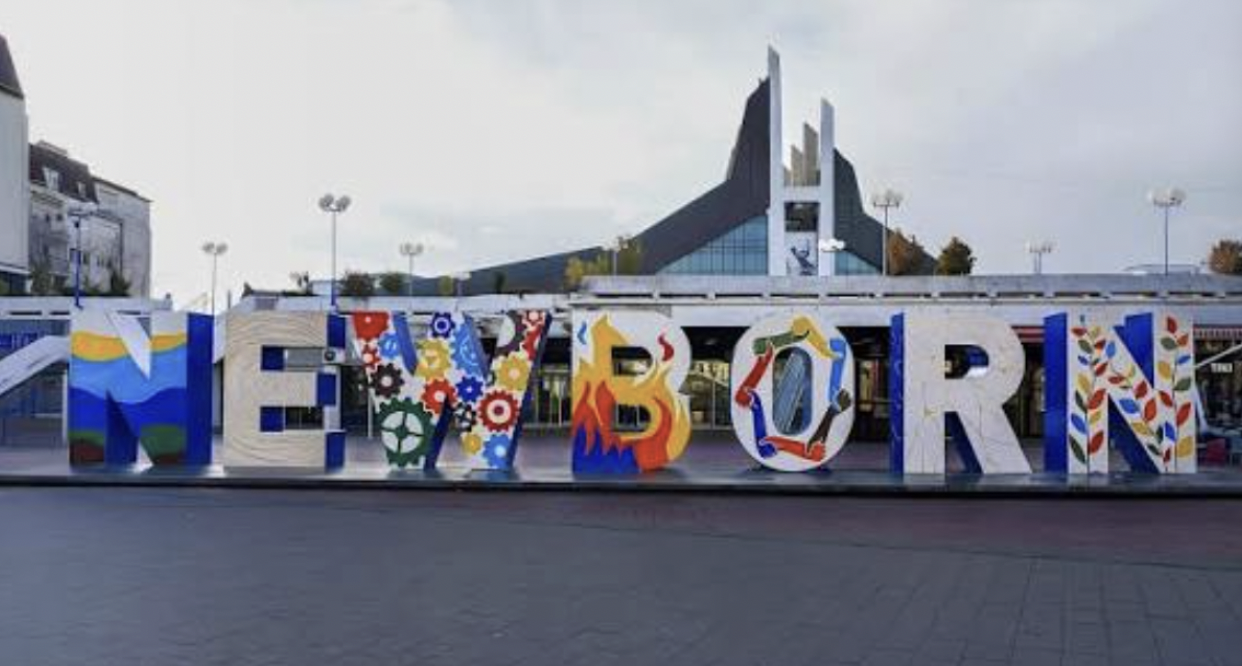
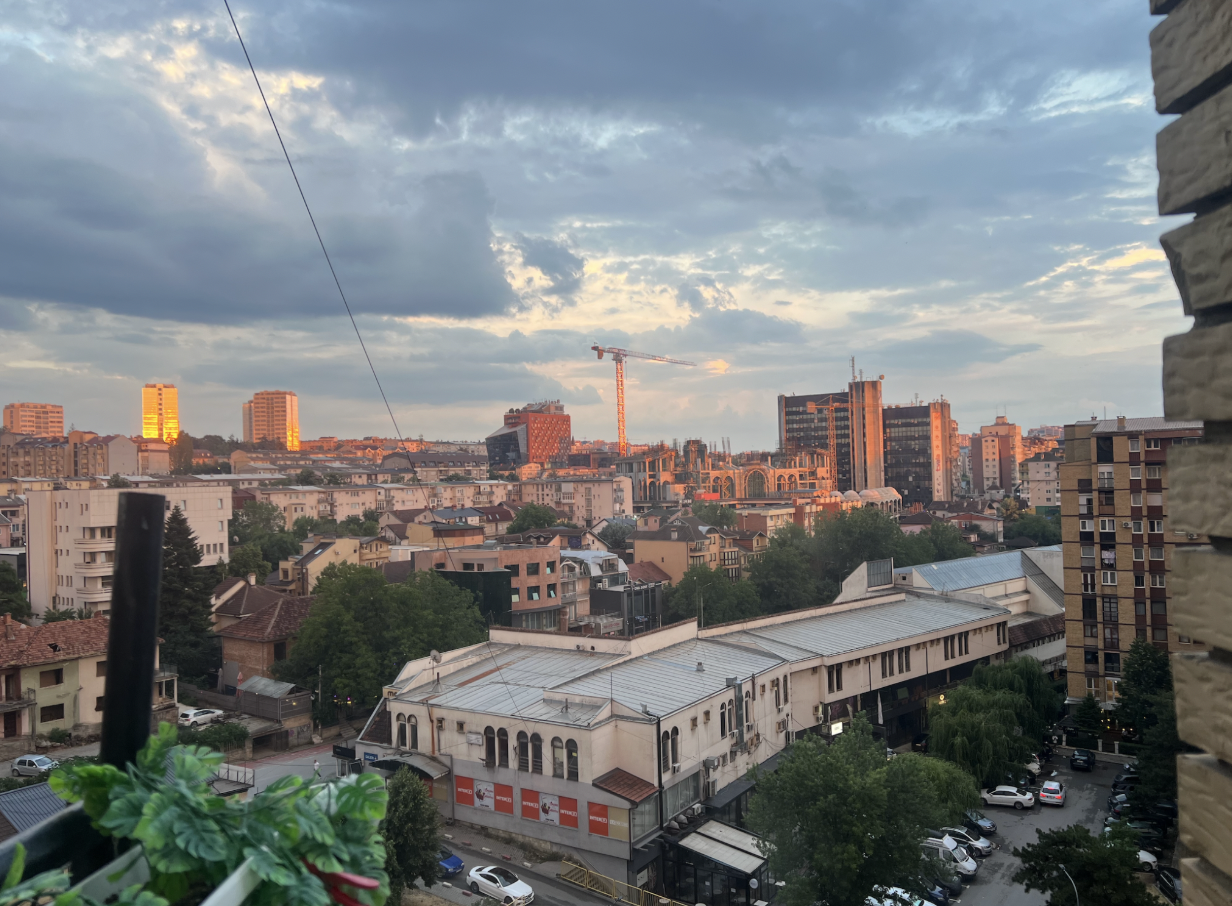
“Liria ka emër.” This was the first phrase I learned in Albanian, meaning “freedom has a name.” This phrase strikes at the heart of Kosovar history and is powerfully suspended over the main square of Kosovo’s capital city, Pristina, where I spent the majority of my time this summer. The spirit of the people in this young democracy is contagious, and their persistent commitment to provide Kosovars with a stable government was evident from the moment I began my work here.
While I had learned about the young country’s history in an academic setting, living here for the summer allowed me to engage directly with Kosovo’s culture and Balkan culture more broadly. The world’s youngest democracy, and only partially recognized by the international community, Kosovo has faced an uphill battle since its liberation in 1999 and independence in 2008. Not only does Kosovo face many of the same hurdles as other developing democracies, but it is unique for the immense pressure from the international community on this nascent state. This, and much more, made Kosovo a fascinating country in which to spend the majority of my summer.
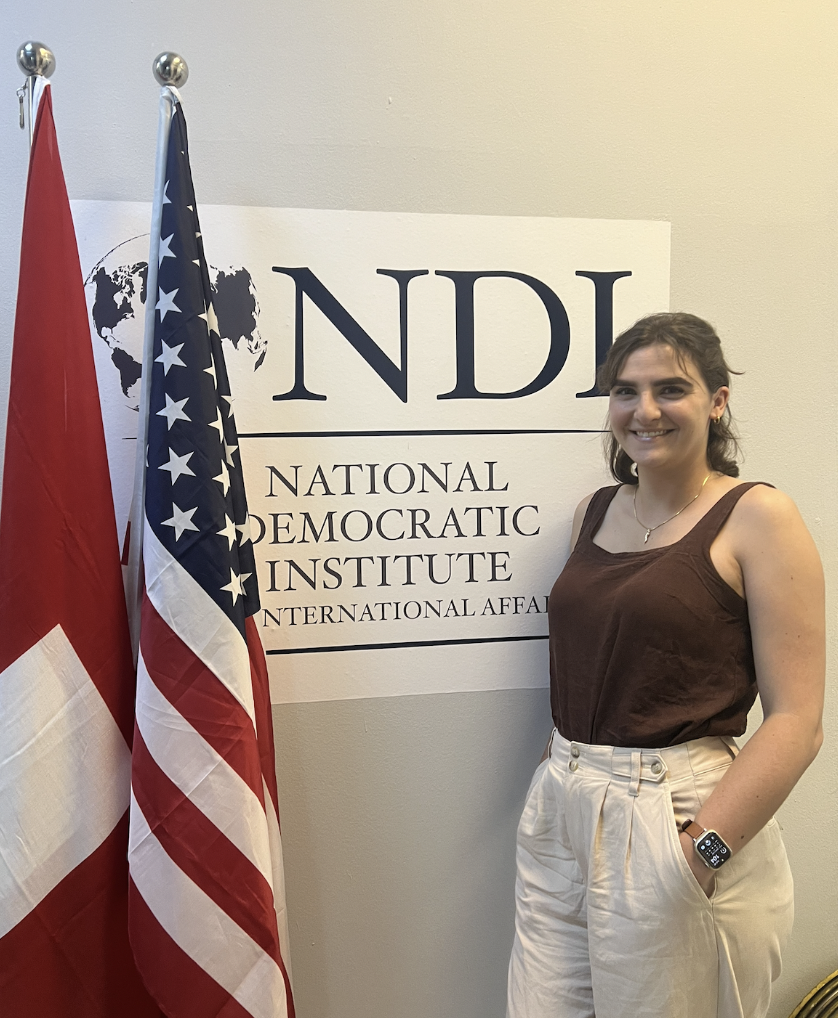
I spent my time interning for NDI Kosovo. Since 1999, NDI Kosovo has successfully driven comprehensive political and legislative programs, and despite streamlining its scope in recent years, it continues to implement robust programming that honors Madeleine Albright’s strong legacy. Most of my time was spent contributing to building a revised election report for the 2026 electoral cycle. This report is crucial because it is coming at a turbulent point in the country’s political landscape. The Assembly of Kosovo has been unable to meet its constitutionally required majority in order to elect a President since April 2026 due to the persistent political division between political leaders, which has resulted in a protracted political stalemate. In an attempt to alter the distribution of political parties in the Parliament and hopefully form a successful governing coalition, a third national election was held on June 7. Luckily, I touched down in Pristina just two days prior.
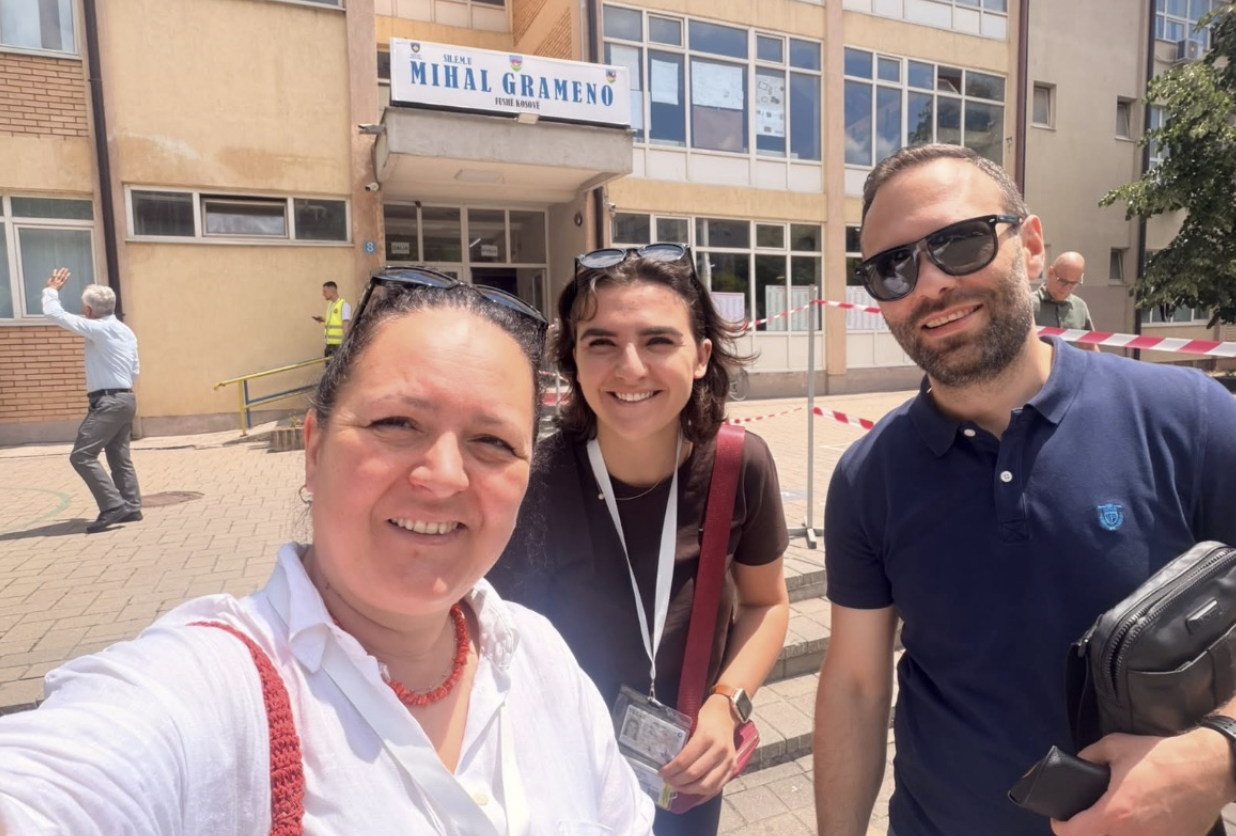
This meant that my first official day on the job was as an International Election Monitor. I accompanied two NDI staffers and traveled around the outskirts of Pristina and surrounding municipalities, including one Serbian-majority municipality. This distribution of municipalities was especially significant because, following the tumultuous breakup of the Former Yugoslavia, Kosovo, which is about 90% Albanian, still includes a significant Serbian minority population, along with other smaller groups of ethnic minorities. Performing election monitoring throughout these municipalities revealed the stark ethnic and resource divide that characterizes the country, and learning about the electoral system in such an interactive way made my second day in Kosovo incredibly special. This initial experience set the tone for the rest of my time interning in Kosovo – unique, often spontaneous, and extremely rewarding.
As Kosovo struggles through this politically contentious period in its political history trying to form a government in Parliament, the Election Reports written by NDI have taken on even greater meaning. I provided edits to their 2025 Election Report, helping to improve the language, content, and organization, and to better understand how the 2026 report should be constructed. I developed sections on the compounded barriers to political participation faced by women of ethnic minority groups in Kosovo, as well as on the gendered impacts of the increased use of artificial intelligence in disseminating disinformation during electoral campaigns. I have learned a lot from the AI sections I’ve written, such as the power of gender stereotypes to supercharge the ability of misinformation and false narratives to take root in the population.
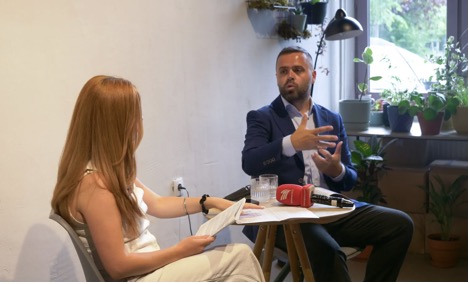
In pursuit of helping to build the 2026 Election Report, I was able to attend a delivery of the report on the extent to which LGBTQ+ issues were covered in the most recent election cycle. I learned about the de-prioritization of LGBTQ+ issues and the lack of an ideological center in political parties in Kosovo – politics are issue based, rather than ideologically motivated. This event was one of my favorite experiences, as my research covers representation and identity as well. I was grateful for the opportunity to speak to members of the LGBTQ+ community in Kosovo and to listen to the issues they are facing. After the event, I wrote up a brief report to summarize the discussion and recommendations to the rest of the team.
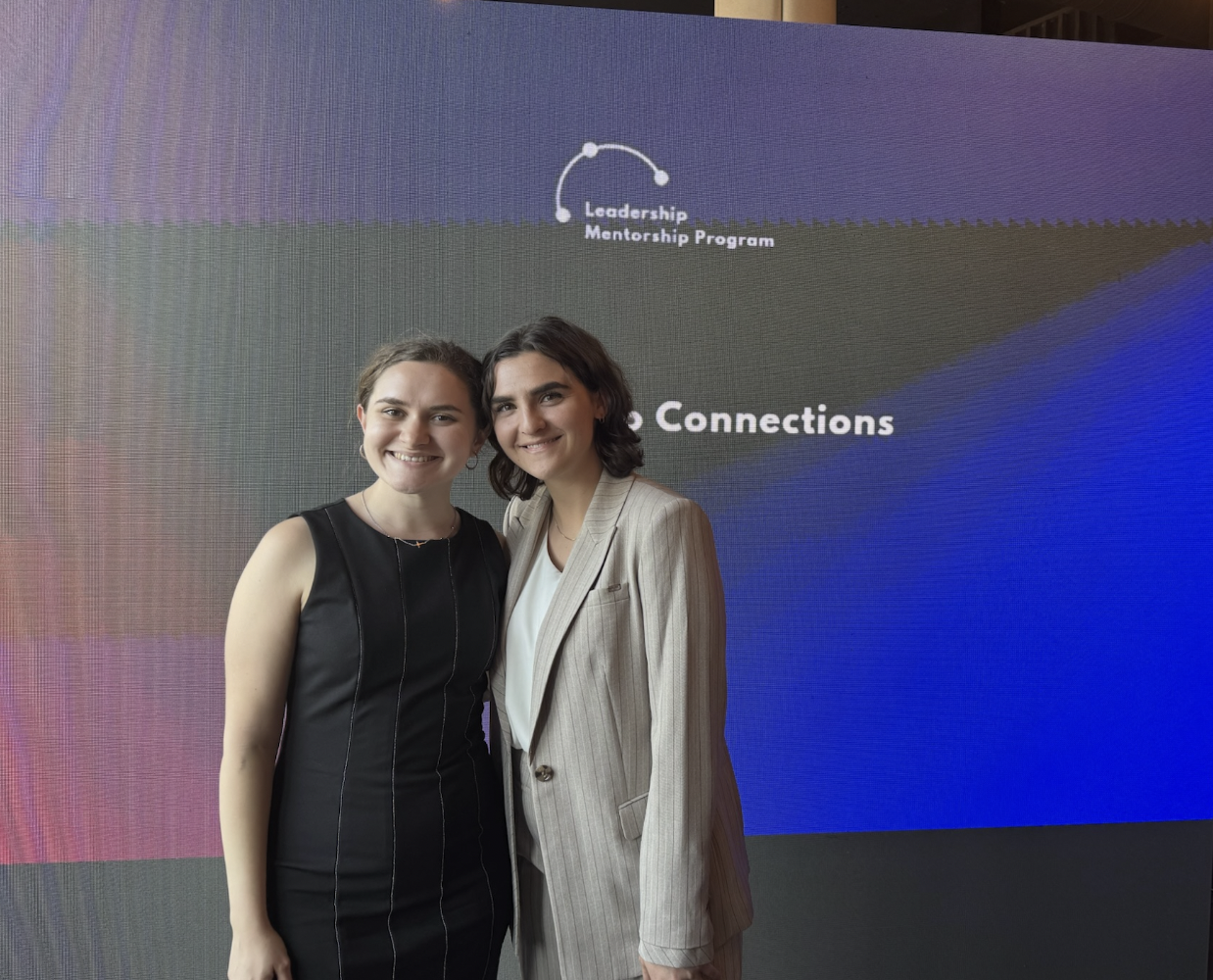
My co-intern, Rendon, and I also got to experience NDI Kosovo’s semi-annual networking event for the Women’s Leadership Mentorship Program, where younger women in politics are able to meet and connect with older women higher in the institutional ranks. This networking event was as heartwarming as it was informative, as I got to both observe and participate in the intergenerational transfer of knowledge between women. I was even able to walk away with some new connections of my own!
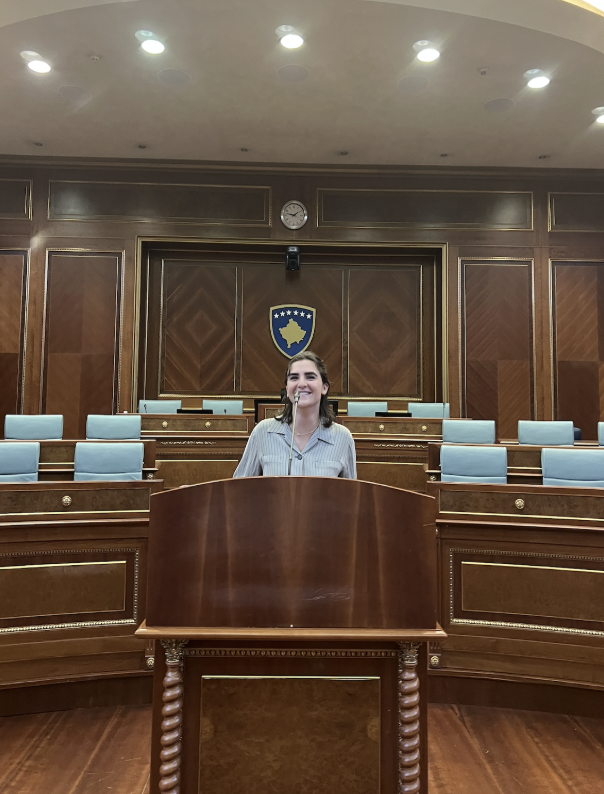
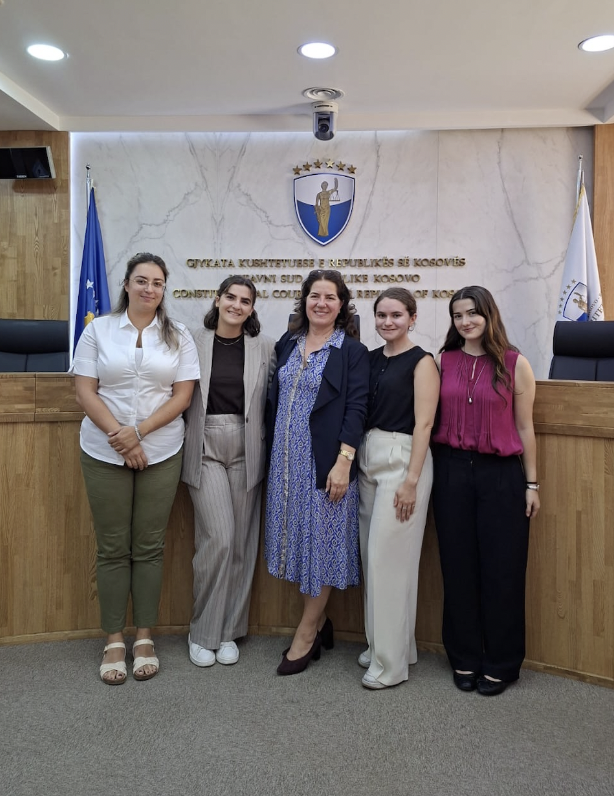
Finally, one of the most exciting features of my time here was getting the chance to visit multiple democratic institutions in Kosovo. We were able to see how the design of the Parliament actively remembers and honors those who were lost in the Kosovo War; for each person who remains missing to this day, the hallway preceding the chambers hangs a key from the ceiling. The result is over 1,000 keys spanning the length of the entrance to the parliamentary chambers, serving as an impactful reminder of the historical journey of this young country and the many people this institution was erected to represent. We also had the honor of speaking with Justice Istrefi-Peci of the Constitutional Court, the only residing female judge on the Court at the moment. Given the work I had done in regards to parliamentary elections and women’s representation throughout the internship, the conversations we had about representation in the judicial branch was a fascinating comparison and culmination of what I’d learned this summer.
As a rising second year PhD student, this internship came at a very impactful time in my graduate career. Exposure to so many interesting and intelligent people with personal and political experiences so different from my own has helped me to develop my research ideas far more than I could have predicted this summer. I was even able to receive feedback on my own theories from colleagues and interested individuals I met in Pristina to further my own projects on interethnic cooperation and democratic norms in developing democracies.
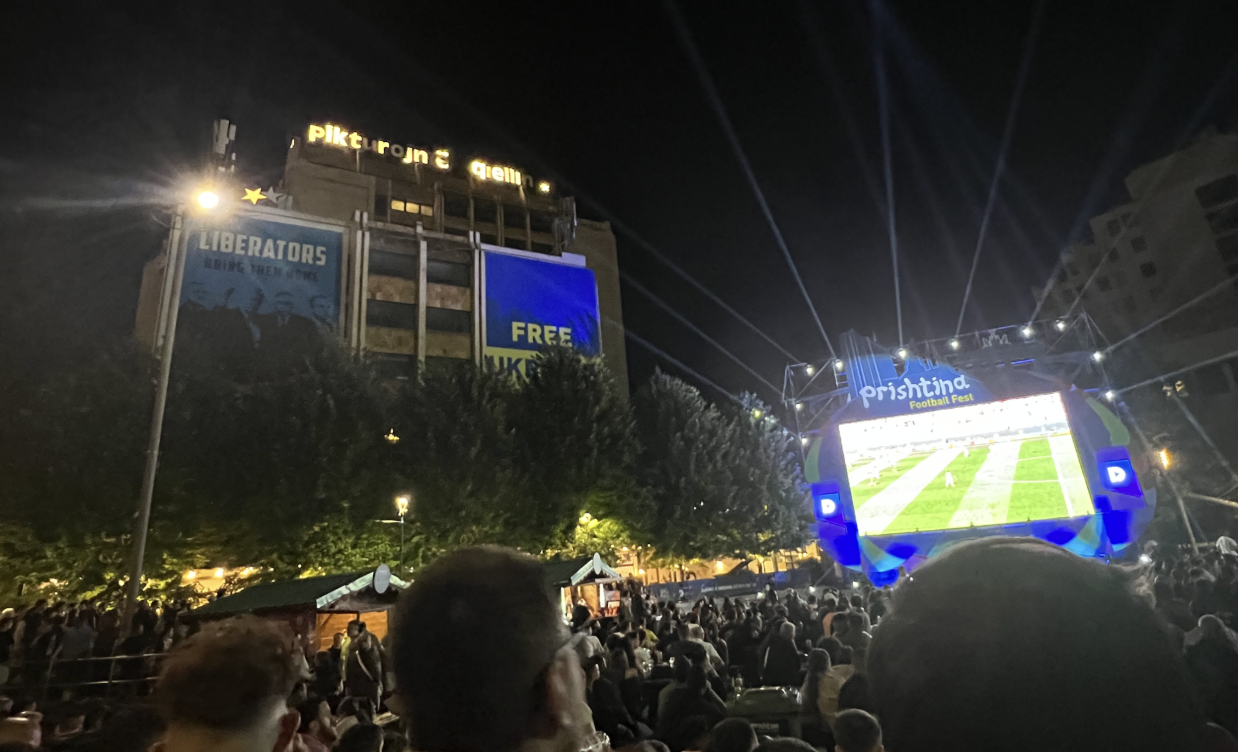
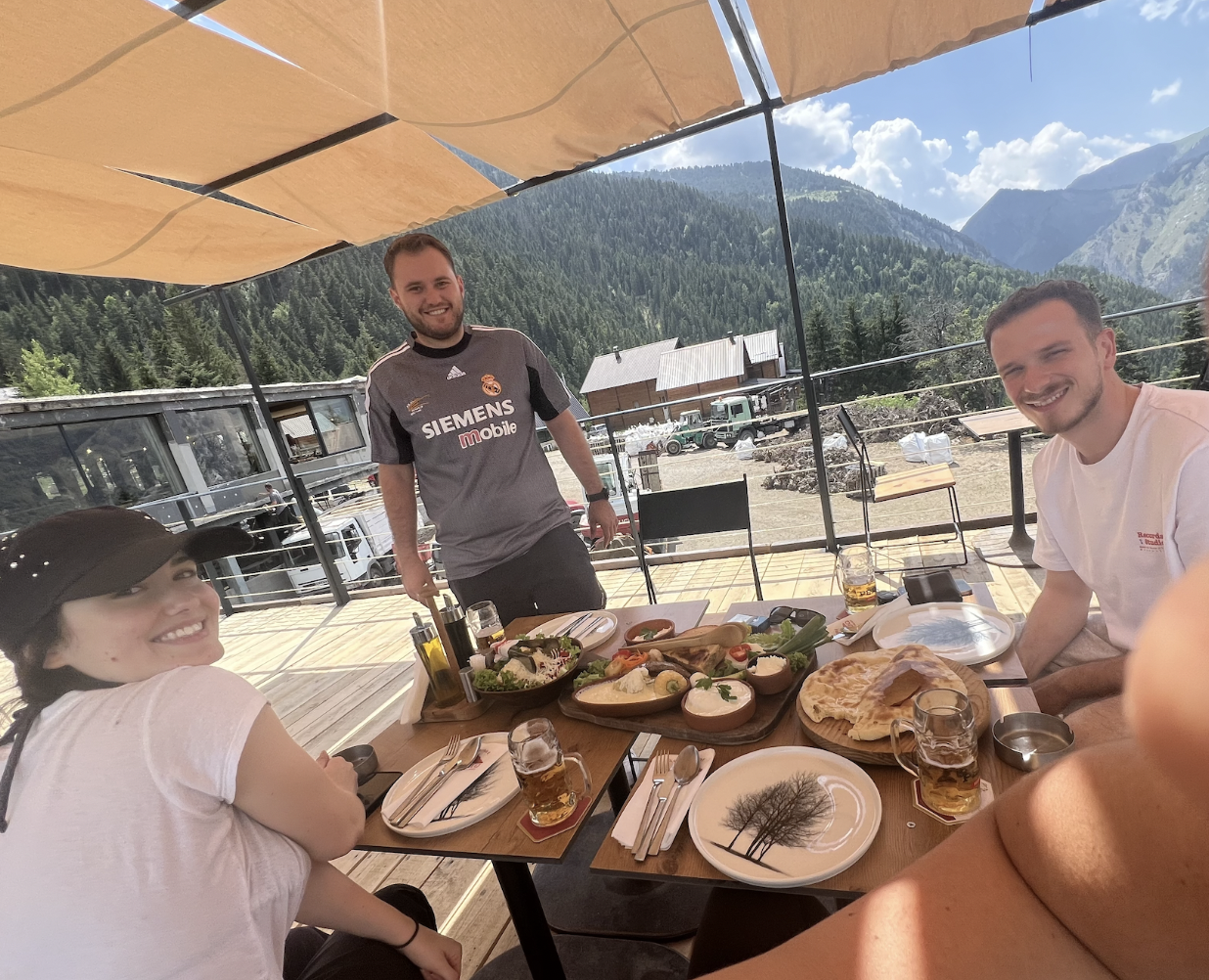
Moreover, the Balkan region is home to some of the most inclusive cultures I have experienced. The people are welcoming, kind, and excited to have you here. The streets of Pristina are always filled with music and laughter. This welcoming atmosphere has allowed me to participate in multiple cultural and community events, even joining fellow football fans to watch the World Cup in the city center!
I am incredibly grateful for the opportunity to spend this time interning in Kosovo so early on in my graduate studies and professional career, and I am already counting down the days until I can come back and visit the inspiring country, colleagues, and friends that I have made here.
For anyone considering this internship, or a visit to Kosovo, I am happy to answer any questions you might have – don’t hesitate to reach out. Hook ‘em!
acf3288@my.utexas.edu