
Category Archives: All

Does plucking gray hairs cause more to grow in its place?

If you’re looking in the mirror and see a lone gray hair, it might be tempting to pull it out. However, there have been warnings that plucking out strands of gray hair can result in multiple more appearing. Is that true? Should we avoid pulling out the gray strands?   

Hair gets its color from melanin, a pigment in our hair, eyes, and skin. The amount of this pigment decreases as we age, and less melanin is produced. Once these pigment-producing cells in the hair follicle die, our hair displays no color, which we interpret as gray. Plucking one gray hair does not impact the hair follicles around it since the surrounding cells are still alive and will maintain our natural hair color.  

There may be another reason not to pluck gray hairs.  Each time you pluck a hair, it grows out thinner or may not grow back at all.    

 It may seem like plucking on gray hair leads to others, but that’s probably just your head aging.  Plucking a gray hair does not affect the other hair follicles, but it does damage that one follicle you pluck. Embrace the gray or choose to dye your hair, but don’t fret about plucking.    

Links: 
UAMS Health 

Huff Post 

Is substance misuse a choice or a disease?

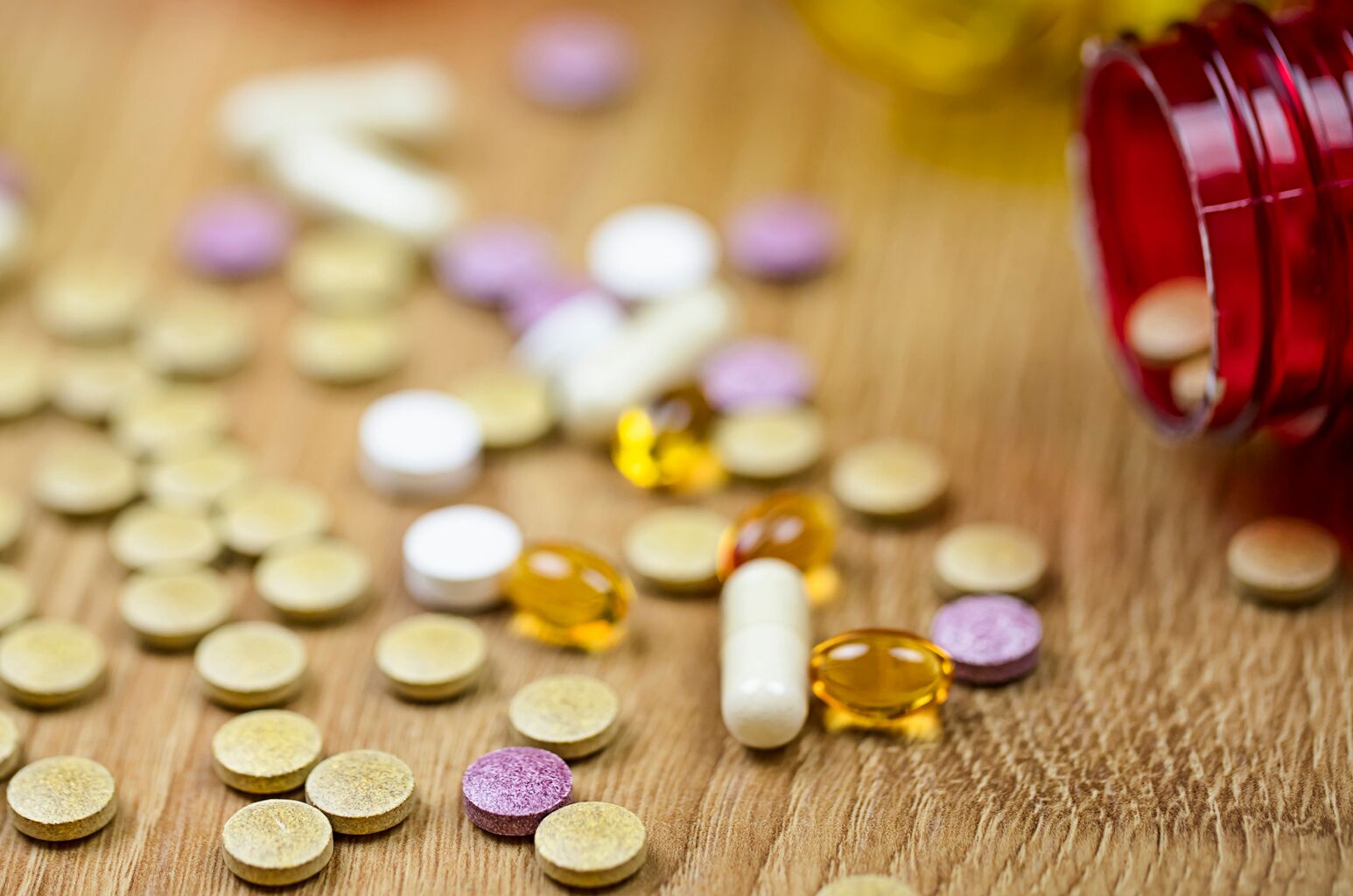
Various different types of pill capsules lay scattered on a wooden table.

Image from www.northwell.edu

Some people talk as if substance misuse is a moral failing. Science suggests that substance misuse is a disease similar to many other health conditions that affect the brain’s reward pathway. When one performs enjoyable activities like running or eating a tasty meal, dopamine and endorphins are released, and an individual may feel some euphoria. Drug use increases similar chemicals in brain pathways at a much greater magnitude. Furthermore, some drugs alter these functions after a single use. With ongoing usage, the brain pathways are modified, making it difficult for people to feel happy without the drug. In other words, one may get little enjoyment from everyday activities, and drug-taking becomes the only source of pleasure. Tolerance also develops as the brain adjusts to drug use, so more is needed.

The choice to try a drug may occur in a moment of vulnerability. There may be peer pressure. Individuals may begin taking a drug as a coping method for stress or distress. 

As substance misuse develops, it causes a loss of control over behaviors that impair the individual. It’s not just a matter of willpower to stop taking the drug. Moreover, people with altered brain chemistry may experience withdrawal symptoms if they stop using the drug. Avoiding the drug may become as challenging as going without food or water. 

Substance use disorder, like heart disease, results from a combination of factors. Genetic factors, frequency, duration, type of drug, ease of availability, and feelings of worry or depression are all factors that may be associated with the potential to develop a substance misuse disorder.

By treating those struggling with substance use disorder with the same compassion we extend to patients with a chronic disease like diabetes or heart failure, we can help them overcome this challenge and restore their health. 


https://www.cdc.gov/stopoverdose/stigma/index.html

https://drugfree.org/article/is-addiction-a-disease/

https://americanaddictioncenters.org/rehab-guide/is-drug-addiction-a-disease

https://iuhealth.org/thrive/is-addiction-really-a-disease

Do Probiotics Promote Health?

Should you take a daily probiotic supplement? | MD Anderson Cancer Center

Image from www.mdanderson.org

Probiotics have increased in popularity in the past few years. According to a survey by the National Center for Complementary and Integrative Health, about 4 million US adults (1.6% of the population) used a probiotic or prebiotic supplement in the past 30 days1. From grocery store aisles devoted to probiotics to social media influencers, there are claims for probiotics, including improvement of everything from constipation to obesity to depression. What is the evidence that probiotics promote health?

Probiotics are gut microorganisms that are helpful in digesting food, producing vitamins, and fighting harmful pathogens. Probiotics are found in naturally fermented foods like yogurt, cheese, and kombucha.  The products we are addressing consist of similar bacteria, commercially manufactured and distributed. 

There is experimental evidence that probiotics can alleviate symptoms of Inflammatory Bowel Syndrome (IBS).  People taking a probiotic with the bacteria Bifidobacterium bifidum MIMBb75 experienced less discomfort, bloating, urgency, and digestive disorder compared to those who took a placebo2.

The evidence that probiotic use is helpful for restoring healthy gut flora after a course of antibiotics includes genetic sequencing of stool samples demonstrating increased diversity of gut bacteria and fewer antibiotic-resistant bacteria3.

There is some evidence of a connection between the gut microbiome and the brain. In one study, people with IBS taking the probiotic Bifidobacterium longum NCC3001 had fewer symptoms of depression relative to people taking a placebo4.  They also had reduced brain activity on fMRI in response to negative stimuli. More experimental evidence is needed to confirm these relationships. 

There are case reports of sepsis or fungemia from bacteria5 or yeast6 in probiotics in people with immune system deficiencies. However, the potential for harm is low, and no serious adverse events were reported in clinical trials. The most common side effect for the average healthy person is temporary bloating and constipation, which typically subsides after a few weeks of use7.

Think twice before consuming a probiotic pill. A healthy diet including natural sources of gut flora is probably just as good as any pill or drink. We need more experimental evidence before we can be certain of the relative potential benefits and harms of probiotics, natural or in pill form, for various illnesses.  

  1. https://www.nccih.nih.gov/research/13-year-trends-for-complementary-approaches-where-questions-are-very-similar-across-years
  2. https://pubmed.ncbi.nlm.nih.gov/21418261/
  3. https://pubmed.ncbi.nlm.nih.gov/26395781/
  4. https://www.gastrojournal.org/article/S0016-5085(17)35557-9/fulltext
  5. https://www.clinicalmicrobiologyandinfection.com/article/S1198-743X(14)61883-8/fulltext
  6. https://www.sciencedirect.com/science/article/pii/S2211753917300441?via%3Dihub
  7. https://www.mayoclinichealthsystem.org/hometown-health/speaking-of-health/whats-the-deal-with-probiotics#:~:text=There%20is%20no%20clear%20evidence,the%20results%20of%20different%20studies