Category Archives: All

Should You Consume Pre-Workout Supplements?

Best Pre Workout Supplements

Image from www.thesportreview.com

Pre-workout supplements are advertised to increase energy and improve exercise performance. TikTok trends claim that “dry scooping”–taking supplements without water–helps the body absorb them faster. What is the evidence for or against such claims?

Because these supplements are not regulated by the FDA, it’s difficult to be certain exactly what they contain. Pre-workout supplements typically consist of protein building blocks (creatine and beta-alanine), vitamins, nutrients, and a notable dose of caffeine. Creatine is theorized to increase focus and beta-alanine to an energy boost. Caffeine can increase heart rate and blood flow. On the basis of a few low-quality studies, claims are made that these three main ingredients slightly enhance performance in extreme athletes but may not significantly impact individuals who exercise moderately (Ghose, 2015; Spillane, Schwarz, & Willoughby, 2014; Duncan et al., 2012).

Dry scooping is associated with a risk of inhaling the powder, with a potential for inflammation or infection. There may also be a risk for overconsumption of caffeine.

Used as directed, some of these supplements have as much caffeine as three cups of coffee. This high amount of caffeine, combined with a person’s daily coffee and soda consumption, can lead to nausea and shakiness. There may also be a small risk of heart rhythm problems.

An alternative to consuming pre-workout supplements may be healthy sources of energy such as whole, natural foods. Bananas and other fruits have carbohydrates that break down quickly and give us energy. Coffee is a familiar, safe, and readily available source of a caffeine energy boost. It’s healthy to develop good habits of diet and activity in all aspects of life, not just at the time of a workout.

It’s not clear whether consuming pre-workout supplements has more potential for benefit than for harm. If it holds some appeal for you, ensure the supplements have familiar ingredients and be cautious about your daily caffeine intake. 


https://www.livescience.com/53095-do-preworkout-supplements-work.html

https://blog.nasm.org/pre-workout-guide

https://health.clevelandclinic.org/dry-scooping-tiktok-trend/

https://health.clevelandclinic.org/does-taking-a-pre-workout-actually-work/

 

Does listening to classical music improve academic performance?


Image from theconversation.com

In the 18th century, Amadeus Mozart gripped the musical world with his elegantly crafted symphonies and intricate, melodic orchestral pieces. But can his music help students with studying? 

“The Mozart Effect” was first suggested in 1993 in a study conducted by psychologist Francis Rauscher at the University of California in Irvine. Students assigned to listen to a piano sonata composed by Mozart scored higher on a spatial reasoning test compared to those who did not.  

According to a study published in Learning and Individual Differences, students who listened to classical music during a lecture received superior marks on exams compared to their peers who did not. However, this may relate to classical music in general rather than Mozart in particular. An additional study on “The impact of music on the bioelectrical oscillations of the brain” used EEG data to measure brain activity, which suggested that music had a positive impact on brain function. The theory is that music reduces stress while stimulating happiness and arousal, which in turn helps students better concentrate on the task at hand. In the experiment, as long as the music was not too dynamic and did not become distracting, it was associated with better student performance on cognitive based exams.  

So the next time you are stressing about an exam, consider popping in some earbuds and listening to classical music. It might offer heightened stimulation to help you focus on the task at hand and get the most out of your studying time. 


https://news.usc.edu/71969/studying-for-finals-let-classical-music-help/

https://www.incadence.org/post/the-mozart-effect-explaining-a-musical-theory#:~:text=The%20Mozart%20Effect%20refers%20to,and%20their%20reactions%20when%20listening.

https://lighthouse.mq.edu.au/article/please-explain/february-2022/please-explain-does-music-help-you-study

https://www.frontiersin.org/articles/10.3389/fpsyg.2017.02044/full

https://www.ncbi.nlm.nih.gov/pmc/articles/PMC6130927/#:~:text=According%20to%20scientists%2C%20music%20that,right%20frontal%20and%20temporal%20regions

How much sleep do you need?


Why is sleep important

Image from medicalnewstoday.com

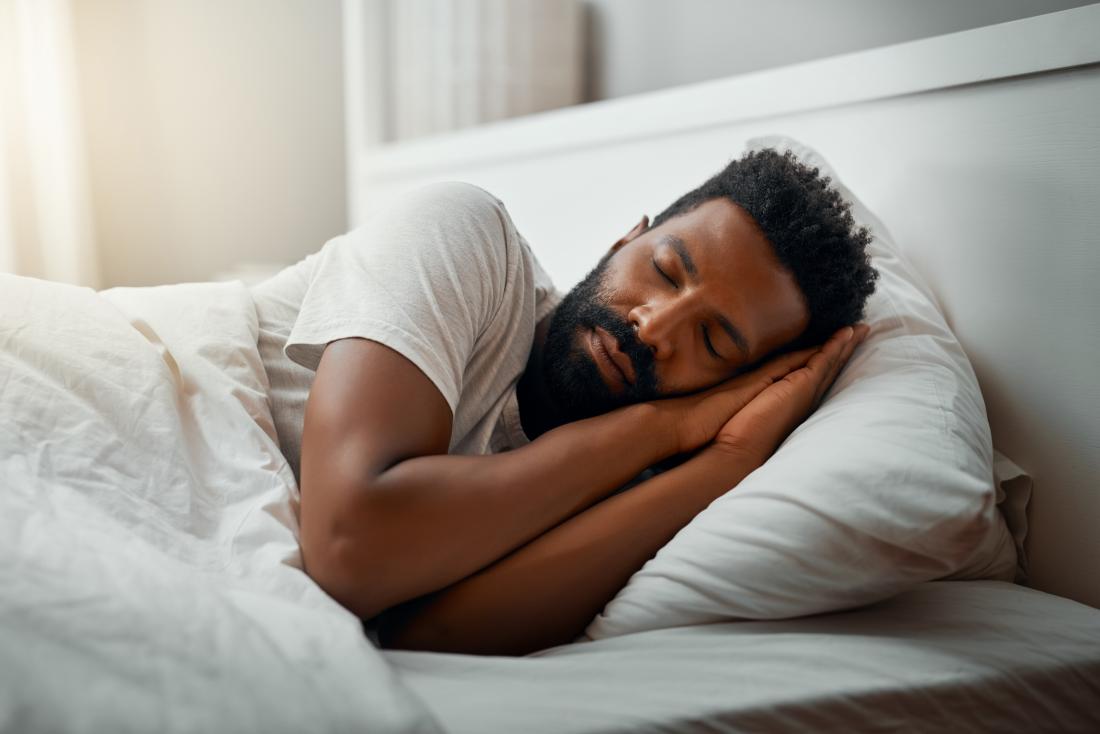
Many believe they can function at peak performance with only 5 hours of sleep. While there might be a range of optimal sleep, few of us can be at our best with that little sleep. Sleeping allows the body to recover and perform restorative activities. While we sleep, our body produces signaling molecules such as cytokines that may impact immune system functions; cell and tissue repair take place; and heart rate decreases, allowing our heart to rest. 

These are the guidelines for the healthiest sleep duration from the National Sleep Foundation:

  • Newborn to 3 months: 14-17 hours
  • 4 to 11 months: 12-16 hours
  • 1 to 2 years: 11-14 hours
  • 3 to 5 years: 10-13 hours
  • 6 to 13 years: 9-12 hours
  • 14 to 17 years: 8-10 hours
  • 18 to 25 years: 7-9 hours
  • 26 to 64 years: 7-9 hours
  • 65 years or more: 7-8 hours

A study conducted by the American Academy of Sleep Medicine (AASM) found evidence that children achieving these sleep goals have better attention, behavior, learning, and memory. Younger people need more sleep, particularly when the brain is still developing, as sleep plays a role in vocabulary acquisition and emotional control. 

Fewer than 6 or 7 hours of sleep a night may be associated with fatigue, drowsiness, mood changes, forgetfulness, cardiovascular disease, diabetes, and depression. For example, a study conducted by the AASM found that sleeping less than recommended may be associated with greater suicidal thoughts in teenagers. A Stanford study found that 10 hours of sleep were associated with better mental and physical performance in high-performance athletes.

Studies show that sleep quality also matters. If your sleep is frequently interrupted, you may still feel groggy even after meeting the sleep time requirements for your specific age group. For better rest, try prioritizing sleep. Some tips are to remove distractions like electronic devices, adjust room temperature, and avoid caffeine intake before bedtime.

Sweet dreams!


https://www.sleepfoundation.org/how-sleep-works/how-much-sleep-do-we-really-need

https://www.sleepfoundation.org/sleep-deprivation

https://www.sleepfoundation.org/physical-activity/athletic-performance-and-sleep

https://www.sleepfoundation.org/how-sleep-works/what-happens-when-you-sleep

https://www.sleepfoundation.org/children-and-sleep

https://www.mayoclinic.org/healthy-lifestyle/adult-health/expert-answers/how-many-hours-of-sleep-are-enough/faq-20057898

https://www.ncbi.nlm.nih.gov/pmc/articles/PMC4877308/