
By SUSANNA SHARPE
IN A REMOTE CORNER of LLILAS Benson, Susan Smythe Kung is hard at work. Her office, the physical home of the Archive of the Indigenous Languages of Latin America (AILLA), is tucked into a corridor among the massive four-story stacks at the Benson Latin American Collection. There, amid multiple computers, various generations of tape or disc players, and boxes of physical materials, Kung oversees the management and accessibility of collections both old and new that comprise this vast and treasured archive.
Founded in 2000 at the University of Texas at Austin, AILLA is a digital repository dedicated to the long-term preservation of, and access to, a range of materials in and about Indigenous languages of Latin America, the Caribbean, and the Southwestern United States.
Kung’s office is the hub of AILLA activity, but AILLA exists and is accessible anywhere there is an internet connection. Part of Kung’s job is to oversee AILLA deposits made by researchers and speakers of Indigenous languages and members of Indigenous communities.
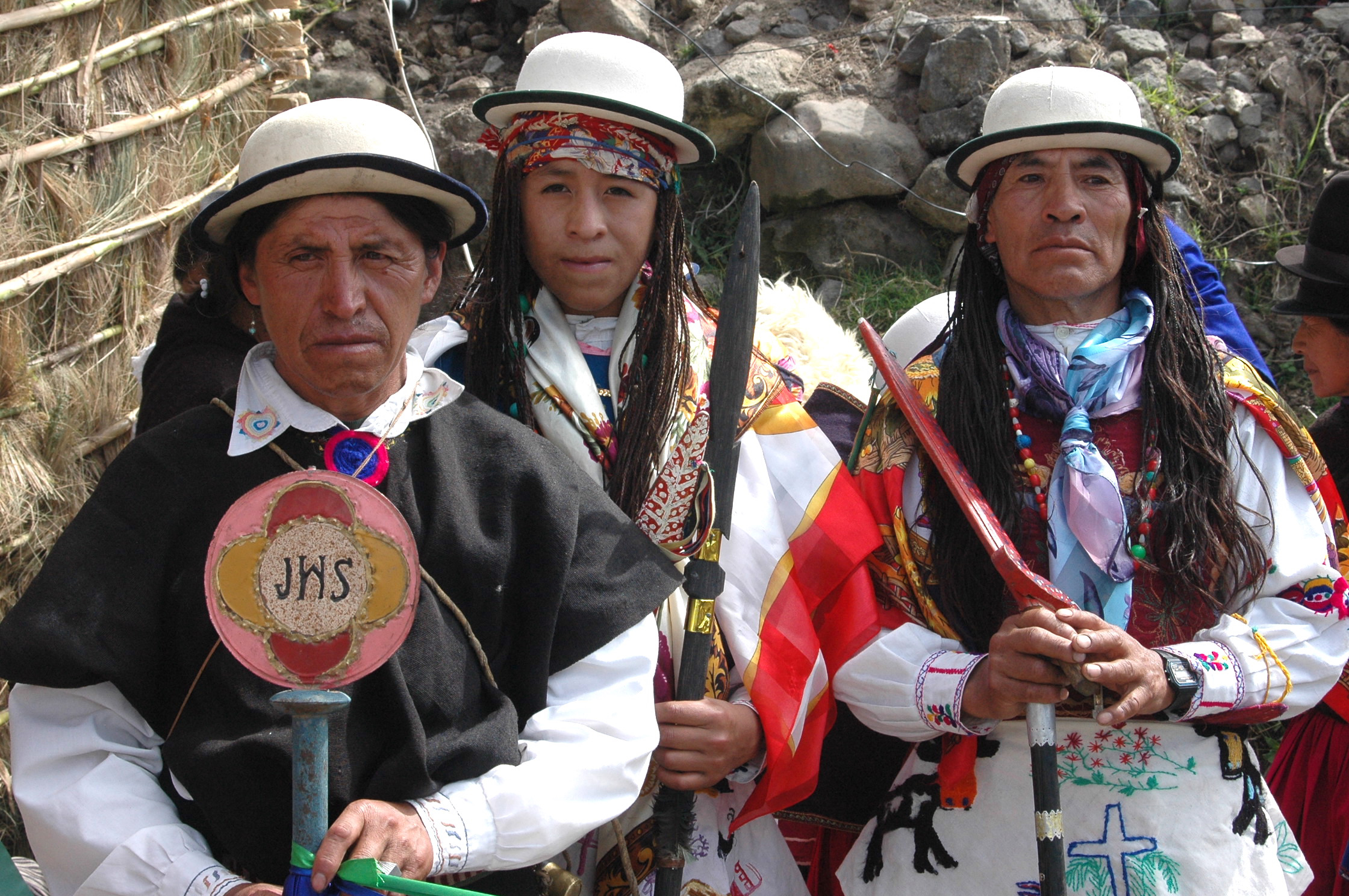
Her work also encompasses the latest technology involved in the recently upgraded digital repository, which hosts a wide range of materials—especially audio and video recordings, along with transcriptions, translations, dictionaries, grammars, field notes, photographs, ethnographies, and teaching materials. Many items are accompanied by transcriptions and translations in languages such as English, Spanish, Portuguese, and sometimes Indigenous languages, making them more usable for Indigenous community members and researchers alike.
A Quarter-Century of Language Preservation
The Archive of the Indigenous Languages of Latin America was founded by UT professors Joel Sherzer (Anthropology) and Anthony (Tony) Woodbury (Linguistics) along with Mark McFarland, former director of the Digital Library Services division at the University of Texas Libraries. The archive’s founding manager was the late Heidi Johnson. For over a decade, AILLA has thrived at LLILAS Benson, with strong support from both the College of Liberal Arts and UT Libraries.
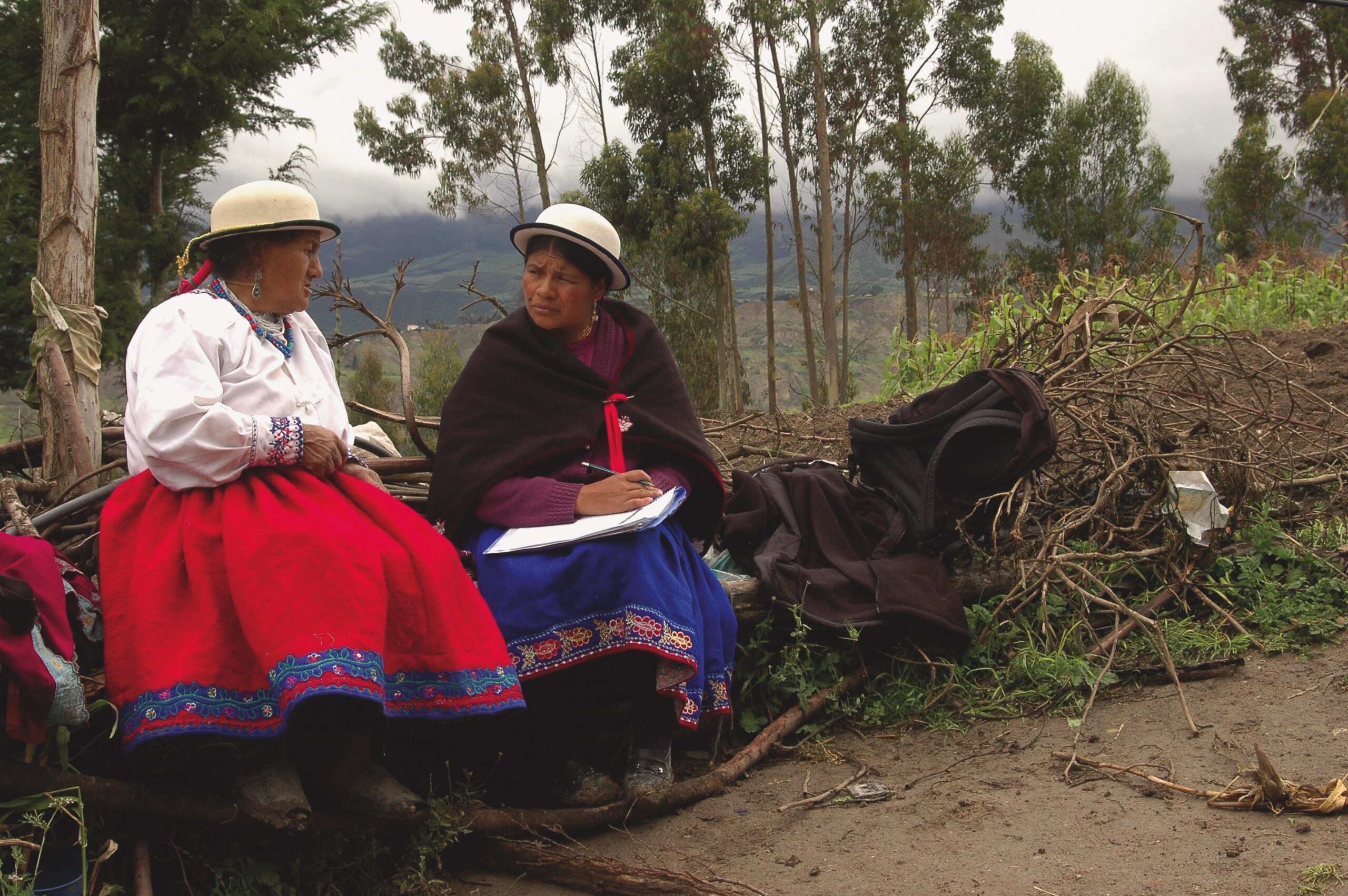
Its collection of some 450 different Indigenous languages represents “about 70 percent of all Indigenous languages that we know about between the Rio Bravo and Tierra del Fuego,” according to Metadata Librarian Ryan Sullivant, linguistics PhD and former language data curator at AILLA.
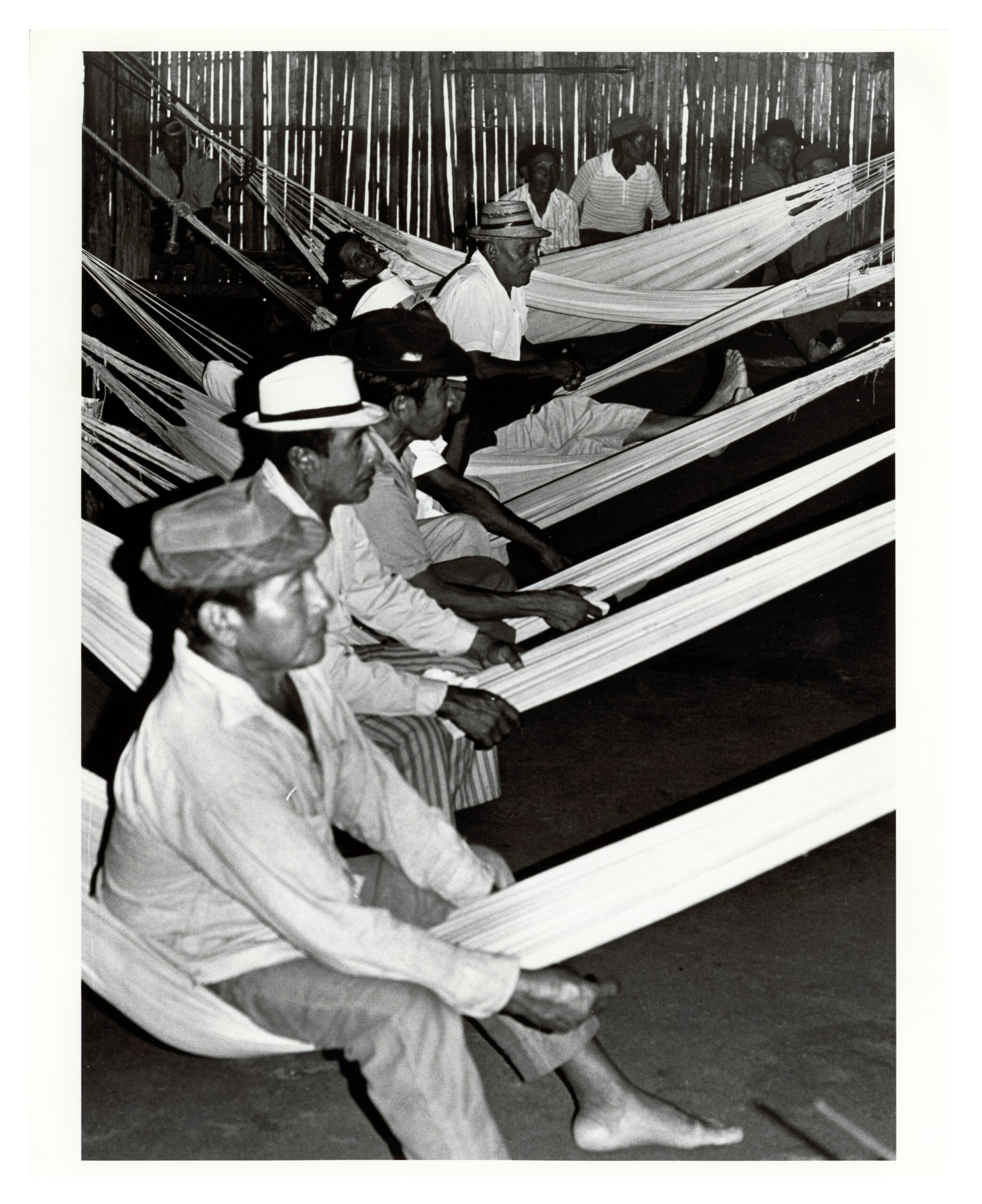
“It is amazing to see how AILLA has blossomed in its first quarter-century,” said Tony Woodbury. “It arose out of the ideas and efforts of the late Joel Sherzer, an anthropological linguist long fascinated with oral language who was committed to making his recordings from Panama’s Indigenous Guna Yala available to its original communities and their descendants. AILLA arose at a moment when digital sound, image, and text could be reliably curated, and shared via the emerging worldwide web. It was one of several new digital language archives around the world at the time, but a leader among them and unique. Its founding manager, Dr. Heidi Johnson, emphasized elegant, robust, community-accessible curation and fostered archiving by some of the era’s most productive linguistic and ethnographic documenters of Latin American Indigenous speaking. Dr. Susan Kung has shepherded AILLA through technical revolutions alongside a deep engagement with the complex ethical issues and responsibilities surrounding AILLA’s work. The digital humanities and associated arts and sciences are facing challenging times; yet we feel confident that AILLA will play a leading role in demonstrating their enduring importance and leading the way forward.”
Kung is emphatic about the valuable legacy of Heidi Johnson, her predecessor, whom she credits with building AILLA into the internationally recognized language repository it is today. A brilliant polymath, Johnson had a master’s in computer science and work experience as a software engineer, but her love of learning drew her back into academia at UT Austin, where she earned a PhD in linguistics and wrote a comprehensive grammar of San Miguel Chimalapa Zoque, a Zoquean language spoken in San Miguel Chimalapa, Oaxaca, Mexico. Woodbury, her adviser, praised Johnson’s “brilliant grammar” as a “thoughtful and detailed treatment of a language that played a central role in the development of agriculture and complex societies.”
The Ethics and Practice of Language Archiving
AILLA’s primary mission is to preserve linguistic and cultural heritage resources for current and future generations of Indigenous Peoples, researchers, and other friends of these languages and cultures. Its secondary mission is to make these resources available online and accessible in multiple languages. With interfaces in English, Spanish, and Portuguese, AILLA’s third mission is community support through digital repatriation of the materials, community-based archiving projects, and multilingual interfaces.
Through its mission and practices, “AILLA recognizes the authority of Indigenous Peoples to control information and data about their languages, cultures, knowledge, practices, natural resources, and lands, as well as their own personal information,” says Kung. “We work with Indigenous Peoples and academic researchers to ensure that Indigenous data sovereignty principles and governance are respectfully followed in the care and stewardship of archived materials.”
All archiving agreements contain the option to embargo some media files for a period of time, or permanently, to protect culturally, personally, or politically sensitive materials. AILLA also welcomes the opportunity to form partnerships with Indigenous Peoples and Communities to archive and steward multimedia collections of linguistic cultural heritage.
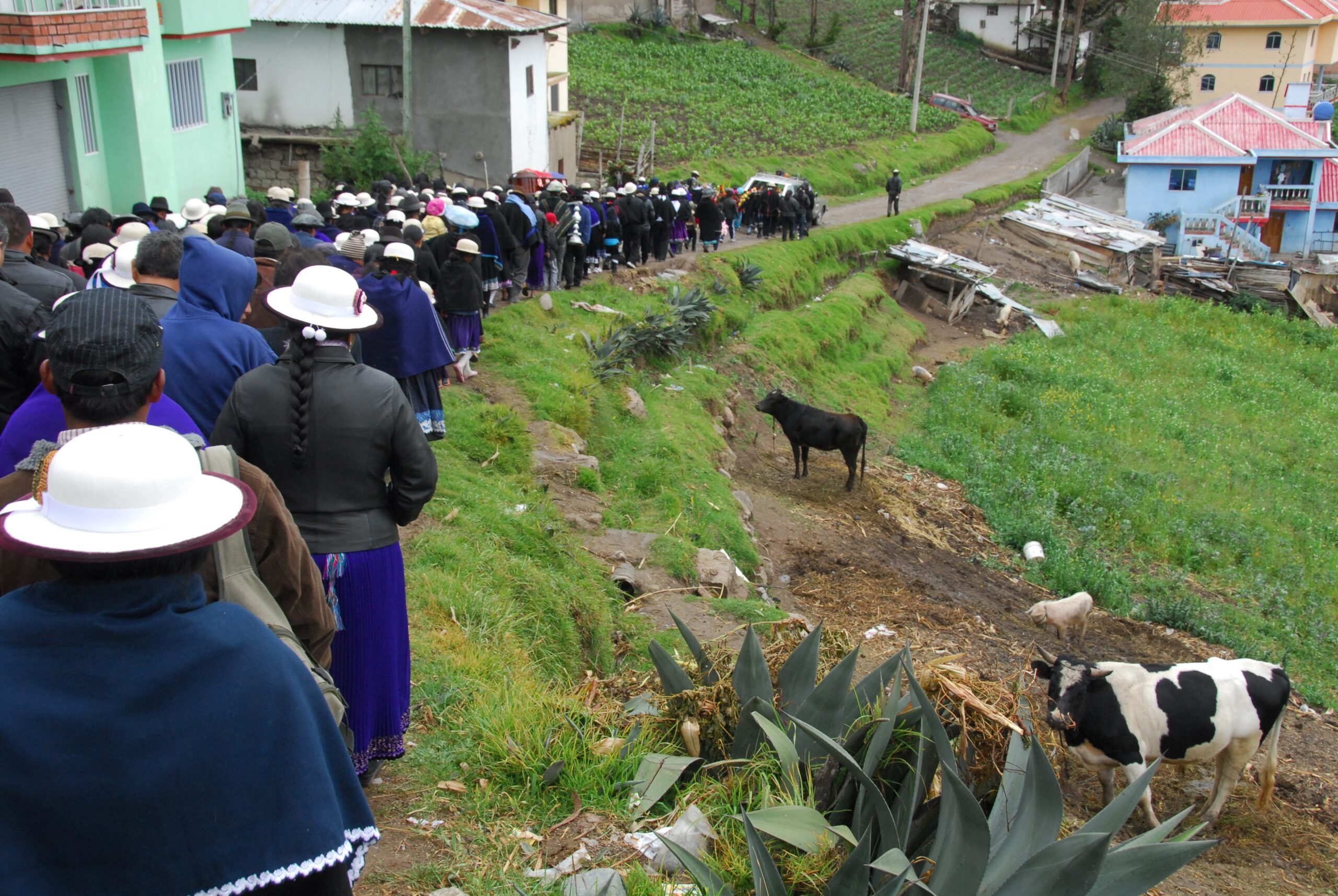
Kung stresses that neither AILLA nor UT Austin owns the materials deposited in the archive. “When people deposit materials in AILLA, they do not transfer the copyright of those materials to AILLA. The original copyright owners retain their copyrights.”
“Languages are an organic treasure that holds our history,” says AILLA depositor Susan Kalt, PhD, a documentary linguist and reclamation activist who studies Southern Quechua. Kalt praised founding AILLA manager Johnson for “prioritizing the interests of Indigenous speech communities and balancing them with the efforts of educators, linguists, and students to understand and make good use of the recordings and transcripts we archived.” Kalt also gave Kung and Sullivant their due for “shepherding the archive through rapid technological updates and introducing further training for members of speech communities and communities of science to archive and maintain their own corpora.”
AILLA’s Steward since 2012
Susan Smythe Kung is a documentary linguist who has dedicated her career to archiving Indigenous languages. She earned a doctorate in linguistics from UT Austin, where she produced “A Descriptive Grammar of Huehuetla Tepehua,”1 her dissertation on an endangered member of the Totonac-Tepehua language family spoken in the Mexican state of Hidalgo.
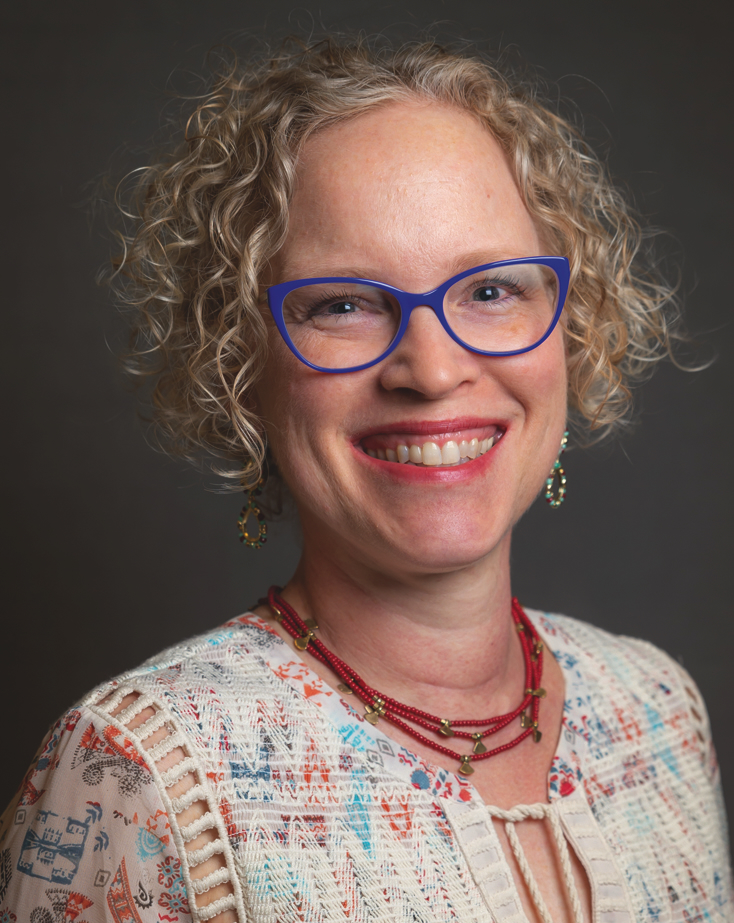
“I always wanted to be a librarian,” Kung writes on her professional website. “However, I also wanted to do work that would contribute to the preservation of the world’s endangered languages. I found the perfect marriage of these two passions at AILLA.”
To work with Kung is to know a person with drive and seemingly boundless energy, deep intelligence and curiosity, and a keen eye for the humor in life. She is generous with her knowledge, welcoming to newcomers and visitors, and deeply dedicated to teaching others how to use AILLA.
In her time as the archive’s manager-coordinator, she has developed a range of workshops and online tools on topics including archival best practices; copyright, intellectual property, cultural knowledge, and attribution; citation standards; Wikipedia updates; archival training for language documenters, and more. Kung and her team also created a YouTube channel comprising a robust library of videos and the open-access online course Archiving for the Future: Simple Steps for Archiving Language Documentation Collections.2
Never content to rest on her laurels, Kung pursues the opportunity to learn at every chance she gets, attending trainings, conferences, and workshops in language documentation, libraries, archives, and adjacent fields.
Reflecting on what it means to be AILLA’s steward, Kung said, “The most meaningful moments in my job happen when someone expresses to me how profoundly moving and exciting it is for them to discover their language, their community’s stories, histories, and cultural heritage, and most importantly of all, the voices of their relatives and elders in AILLA. I love being able to collaborate with depositors who want to preserve the vital work they do. These moments validate my long commitment to AILLA.”
An Archive of Human Connection
Lest we forget its origins, AILLA was born of the deeply human need for connection. Co-founder Sherzer wrote, “My Kuna research involved close collaboration with individuals who do not read or write but who shared with me their remarkable linguistic and cultural knowledge, expressed in their conversations, stories, myths, chants, and songs.”3
If there is a certain paradox in preserving something as deeply human as language and culture via cutting-edge technology, there is also deep care and a sense of purpose among the communities, researchers, and technicians involved in AILLA to preserve these most fragile and precious aspects of our shared humanity.
Susanna Sharpe is Communications Coordinator at LLILAS and the editor-in-chief of Portal magazine.
Related reading: Remembering Dina Sherzer
Notes
1. Kung’s 2007 dissertation won the 2008 Mary R. Haas Book Award, given annually to a junior scholar for an unpublished work that makes a significant contribution about Indigenous languages of the Americas. See ailla.utexas.org/sets/4443.
2. See archivingforthefuture.teachable.com.
3. Joel Sherzer, “How I Became a Linguist,” Linguist List, April 2014. Sherzer is best known for his work on the language and culture of the Guna Peoples (known prior to 2010 as Kuna) in Panama. His ethnographic and linguistic work was deposited as the Kuna Collection of Joel Sherzer in AILLA.