Is Organic Food Really Healthier?

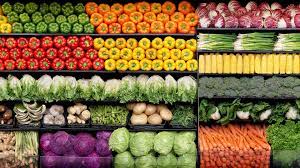
image from wholefoodsmarket.com


Organic and non-GMO foods make up an increasing proportion of food sales each year. One possible reason for this growth might be the perception that organic food is healthier. But is that really the case?

The term “organic” refers to the way agricultural products are grown. It includes not using synthetic fertilizers to add nutrients to the soil, synthetic pesticides for pest control, genetic engineering to improve disease resistance and increase yield, or antibiotics/growth hormones. Any product that is organic has a USDA label. Organic food is usually more expensive because the physical means of managing pests and weeds without pesticides or fertilizers can be more time-consuming and associated with  a lower yield. 

“Natural” is another term often associated with healthier, safer foods. However, it’s important to know that  “Organic” and “natural” are interchangeable. Natural products don’t have preservatives or artificial flavors, but can still be produced with fertilizers and non-organic means. 

Organic products aren’t more nutritious than non-organic ones. There isn’t concrete research to conclude that organic food consumption leads to health benefits. However, pesticides common in agriculture such as phorate may potentially overstimulate the nervous system causing nausea, dizziness, and confusion. Other classes of pesticides like triazenes may be linked to endocrine-disrupting effects and reproductive toxicity.  However, the health risks of these pesticides from food alone do not exceed the EPA’s level of concern. The effects of exposure to a combination of such pesticides is uncertain and requires more research. 

Given the lack of evidence on the long term effects of eating foods not produced according to organic standards, and the knowledge that organic food can be expensive, it makes sense to weigh the potential benefits. Wash fresh fruits and vegetables under running water to remove dirt, bacteria, and traces of chemicals. You can also peel fruits and vegetables (although this may also remove some nutrients). Buy produce in season if possible because this is more likely to be fresh, with less use of preservative chemicals. In addition, not all produce is created equally; avocados, cantaloupe, pineapple, broccoli, cabbage and corn have low levels of pesticides. In contrast, strawberries, spinach, grapes, apples, tomatoes, peppers and celery have high levels of pesticide residues. 

People consider organic food when they have concerns about the uncertain effects of chemicals and they are willing to spend more. When purchasing produce for yourself and your family, make sure to understand what’s known and unknown so that you can make the best choice for you! 


https://health.ucdavis.edu/blog/good-food/are-organic-foods-really-healthier-two-pediatricians-break-it-down/2019/04

https://www.mayoclinic.org/healthy-lifestyle/nutrition-and-healthy-eating/in-depth/organic-food/art-20043880

https://www.consumerreports.org/cro/health/natural-health/pesticides/index.htm

https://www.ncbi.nlm.nih.gov/pmc/articles/PMC4947579/

https://thecounter.org/the-us-still-uses-many-pesticides-banned-in-other-countries/
Does Avoiding Late Night Eating Support Weight Loss?

34 Tasty & Healthy Midnight Snack Ideas | Food For Net

Image from foodfornet.com

We are inundated with methods to lose weight and get into shape. One example is the claim that avoiding eating after 8 PM will help you lose weight or maintain a lower weight. However, this may not necessarily be true. 


Overall, the two main dietary aspects to focus on with regard to weight loss are caloric intake and macronutrient distribution. Caloric intake relates to the amount of total calories eaten during the day, and one’s recommended intake depends on factors like activity level and body type. Macronutrient distribution relates to the makeup of calories being eaten during the day. This organizes meals into categories of carbohydrates, fats, and proteins. 


Intuitively, it seems like these aspects along with physical activity are the most important factors to effectively lose weight. Why would the timing of the meals matter as long as you eat the correct caloric intake and macronutrient distribution?


Some research  suggests there is a circadian clock (24-hour cycle) in adipose tissue, or body fat. The way the body burns fat may change throughout the day. It is postulated that the timing of meals can influence whether the adipose tissue stores fat or mobilizes fat to be burned. Supporters of this concept cite studies finding that late eaters lost significantly less weight than early eaters controlling for calorie intake and activity. There are other possible explanations for the findings.  There may be genetic variations in fat metabolism that are associated with late eating or a higher susceptibility to obesity. And there is some evidence that late eaters tend to eat foods with more calories and a lower nutritional value.  


When aiming for a healthy weight, the most important principle is limited calorie intake.  The importance of other factors, such as timing of an evening meal, are more difficult to sort out. 


Garaulet M, Gómez-Abellán P, Alburquerque-Béjar JJ, et al. Timing of food intake predicts weight loss effectiveness. International Journal of Obesity (2005). 2013 Apr;37(4):604-611. DOI: 10.1038/ijo.2012.229. PMID: 23357955; PMCID: PMC3756673.


http://europepmc.org/article/MED/23357955


https://www.weightwatchers.com/us/blog/health/eating-before-bed

Does weight training stunt growth?

In a Hurry? Try Express Weight Training - The New York Times

Image from nytimes.com

Adolescents and pre-adolescents may start thinking about taking up weight training. You may have heard rumors that weight training can stunt growth. 


The concern is that weight training can injure the areas of the bone that grow (the growth plates) and limit stature. There is no evidence that high-impact sports like gymnastics, soccer, football, and basketball harm growth plates. The same is true for weight training. 


There is a risk of injury from lifting more weight than one can control. In other words, the weights and machines can cause direct blunt trauma. But in general, the health benefits of lifting weights outweigh the risks. Weight training can improve strength, confidence, coordination, psychological well-being, and healthy weight. Weight training strengthens bones, muscles, ligaments, and tendons, thereby decreasing the risk of injury to these structures. 


The key is understanding how to safely lift heavy weights and the potential dangers of a weight room. 


Sources:


https://www.healthline.com/health/does-lifting-weights-stunt-growth


https://www.menshealth.com/fitness/a36530187/does-weight-lifting-stunt-growth/


https://www.bodybuilding.com/content/weight-lifting-for-children-and-teens.html


https://www.nike.com/a/can-weight-lifting-stunt-growth


https://www.livestrong.com/article/430166-can-lifting-weights-when-young-stunt-your-growth/