By Bela Madrid, Undergraduate student at the UT Butler School of Music
Latin America has always felt like a destination that was somehow both far away and familiar at the same time. The opportunity to live and work here has always been enticing. Coming from a background studying music, I am used to exploring different cultures, histories, and political environments through emotion, storytelling, and poetry. Engaging in areas of social research and data science felt somewhat outside my scope of expertise, but I have come to realize it’s simply the other side of the same coin. As we round out week five, I have found myself reflecting on my experiences in Panama and feeling excited to see what month two has in store.
Every day I walk into the CID Gallup office not quite knowing what the day will hold. One thing that has become clear, however, is the enormous amount of attention that goes into understanding the needs, concerns, and aspirations of a population. I have enjoyed observing the art and the tact this type of work requires. It is a combination of both analysis and data collection, graphs and numbers. All of these attributes come together to make a compelling story.
Our first task we received was to edit formal research reports. This information is presented in a way that is very different to how we usually consume information through the media. It’s analytical and evidence-based but also creates opportunities for discussion. We have spent time asking questions, sharing ideas, and trading thoughts on the current political and social climates in Latin America. These conversations have been incredibly stimulating and have showcased different areas of thought and exploration.
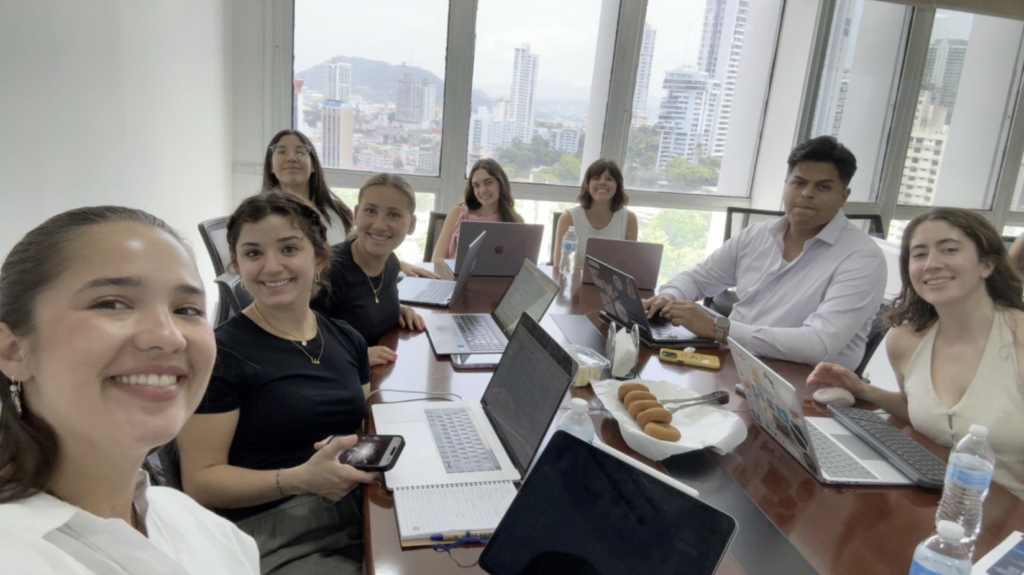
We have also been tasked to create our own research proposal, which has been an exciting challenge. Our group, which consists of fellow interns Josie, Juan, and myself, has ventured into the land of pension and retirement systems across all of Latin America. Prior to arriving in Panama, I would say that becoming an expert on pension systems was not high on my bucket list. Yet the topic has proven to be a fascinating way to understand the relationships between population growth, increasing life expectancy, informal and formal labor markets, and the pressures these factors place on workers and governments alike.
This project also gives us the opportunity to ask questions to senior researchers in the office. As I mentioned earlier, creating a research methodology from scratch isn’t exactly straight forward. We found ourselves visiting offices, asking questions, and learning about what goes into making a strong research proposal. Doing all of this in a second language presented yet another challenge. Reading and working in this professional environment has significantly improved my language skills, and for that I’m immensely grateful.
In the coming weeks, our survey questions will be tested in the field, giving us firsthand experience with data collection and survey work. Data do not simply appear on Google. Behind every statistic, there is someone who develops a methodology, carefully crafts questions, travels to collect responses, knocks on doors, and records results. It is grueling work and admittedly quite character building.
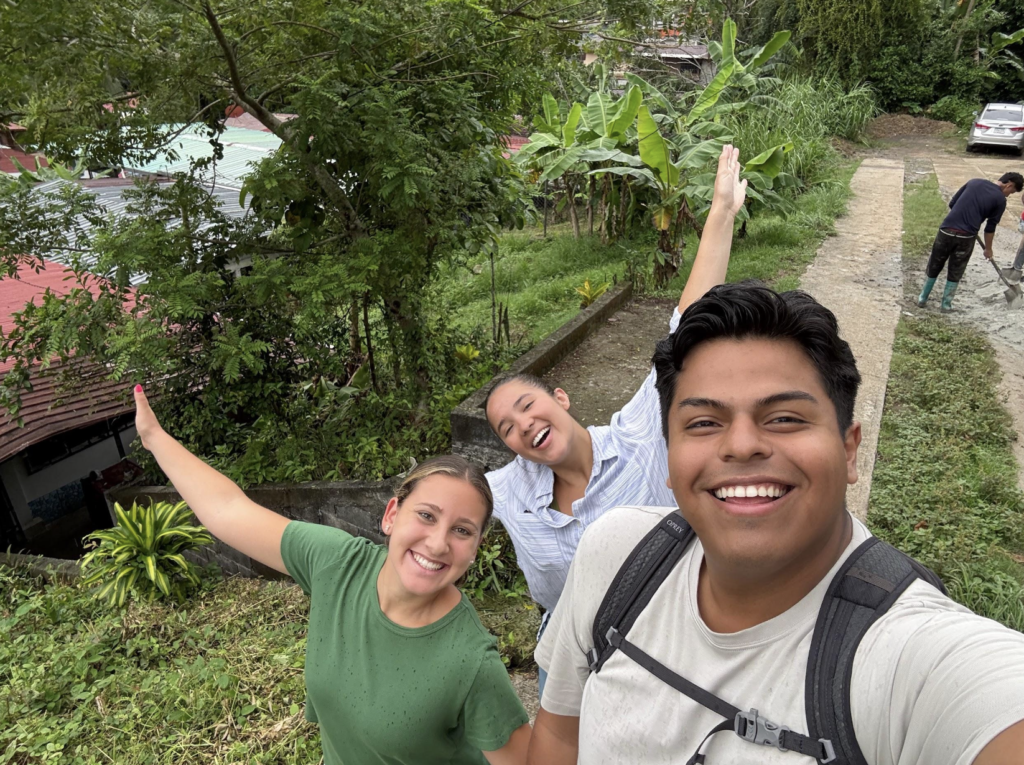
We then had the opportunity to accompany CID Gallup staff into the field as they conducted a survey on how Panamanians perceive their quality of life, safety, and other social issues. There is also a precise methodology to decide which doors to knock on. We climbed steep steps and hills and navigated through the dense Panamanian humidity. I also discovered every house seems to have an exceptionally loyal dog (to my nervous system’s demise).
Many people declined to participate or didn’t open their doors at all. But every few houses we would find someone willing to participate. We would then stand wherever we were. Whether it was at the top of a hill, in the sun, or over a small bridge, interviews were conducted. During the thirty-minute survey, phones would ring, babies would cry, a goal would be scored on the TV. And the interviewer carried on.
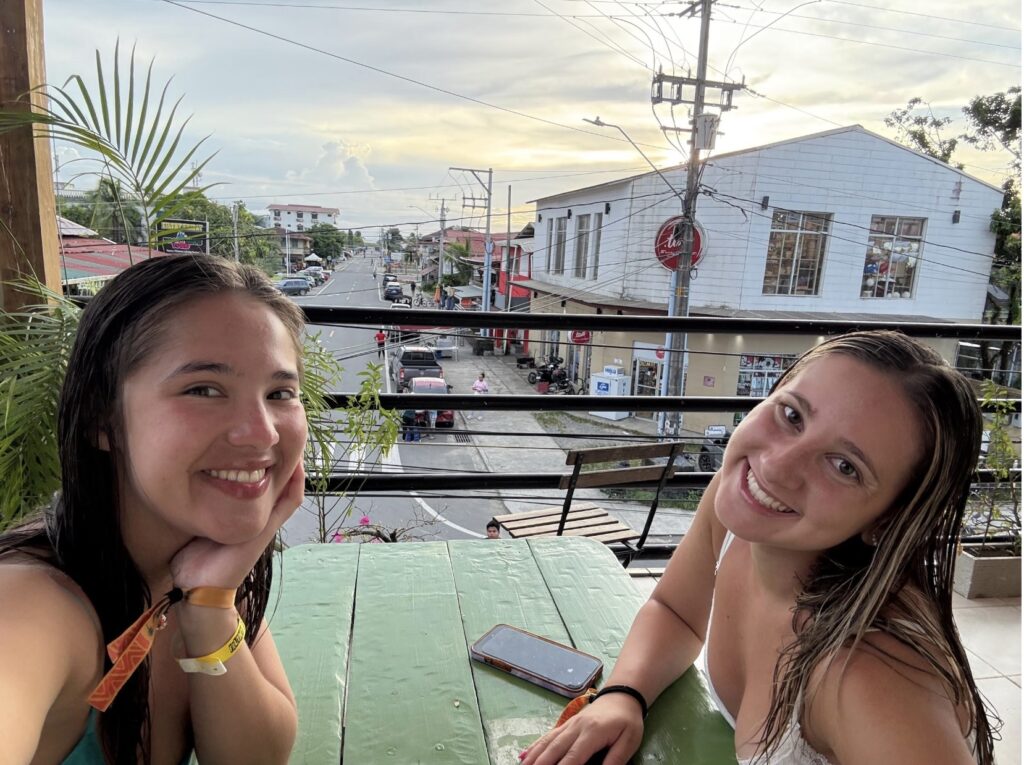
Getting to live and work in Panama has also given us the opportunity to partake in some extracurricular activities. Last week, we decided to go to Bocas del Toro, Panama. We decided to hop on a bus and take a 12-hour bus ride across the entire country. We finally arrived on the shores of the island and had an amazing weekend watching World Cup games and spending time in the sun. This is all without mentioning the treacherous activity of surfing. Yeah. Never again. I drank enough salt water to fill a swimming pool. But aside from my brief and unsuccessful attempt at surfing, we had a wonderful time exploring the islands. We have also spent weekends wandering through Casco Viejo and visiting Taboga Island. Next week we are planning to visit El Valle de Antón, which, luckily for me, does not include any wave/board activities.
Five weeks into this internship, I can confidently say it has challenged me in ways I never expected. It pushed me outside of my academic comfort zone, and it has given me a great appreciation and respect for the process of producing reliable data and meaningful research. Most importantly it gave me the gift of spending time within the Panamanian culture, which is something I will always look fondly upon in the future.